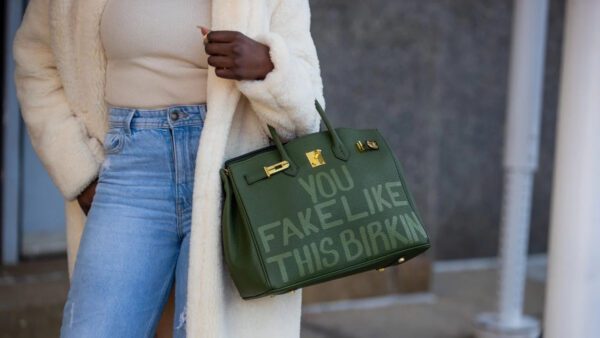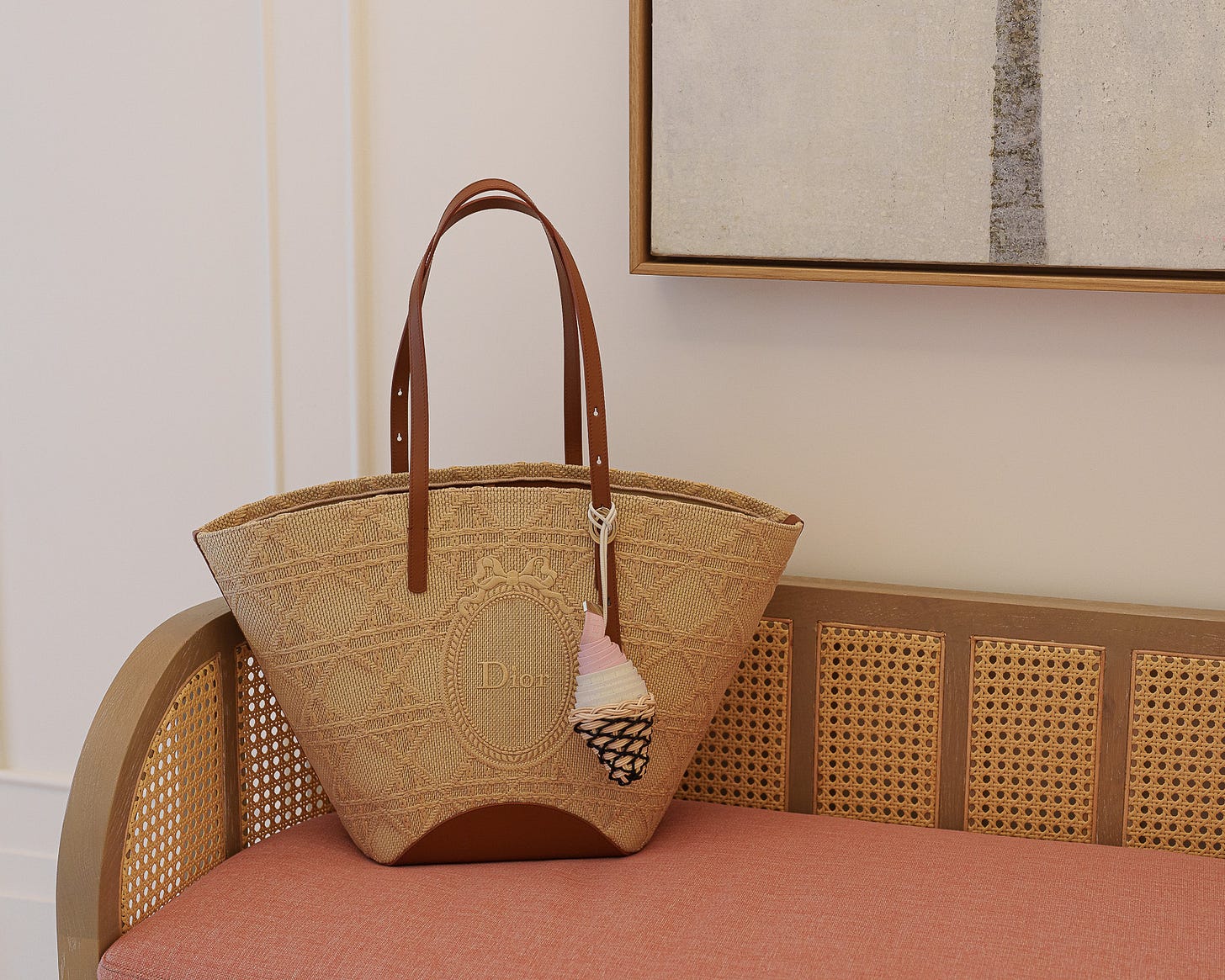
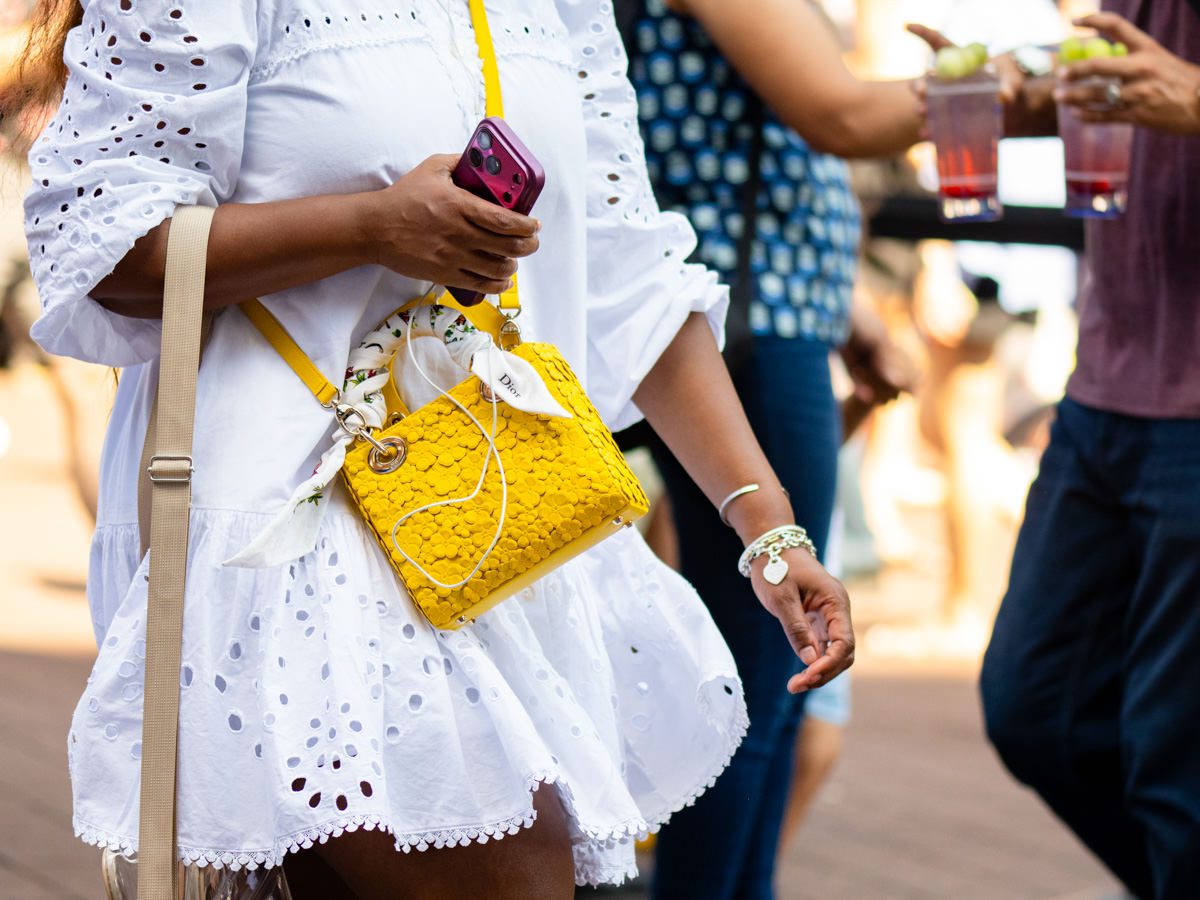

There are certain bags that announce where they are going before their owners do. A raffia tote is headed to the beach, even if it must first endure the indignity of a crowded train. A metallic mini bag is going somewhere that serves martinis after 10 p.m. A canvas L.L.Bean tote monogrammed with something vaguely inappropriate belongs to a woman who has either just returned from Nantucket or would like you to think she has.
A tennis bag used to be similarly legible: it was white, perhaps trimmed in green, navy, or the particular shade of yellow associated with a freshly opened can of balls. It might have been made of canvas or woven raffia, with room for sunscreen and an emergency visor. Even if its owner had never held a racket correctly, the bag participated in the fantasy.
When the Tennis Bag Disappeared
But at this year’s US Open, the tennis bag appears to have gone missing.
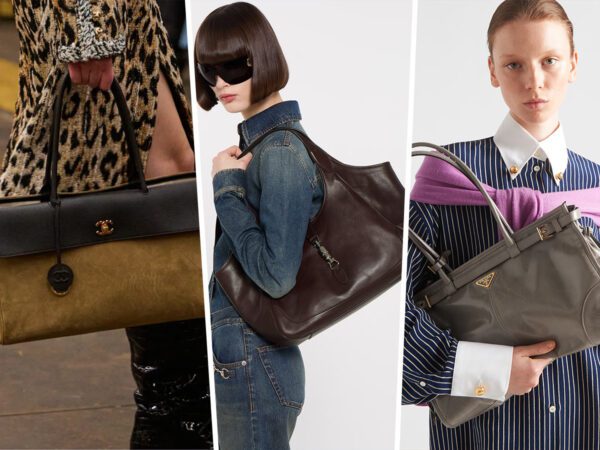
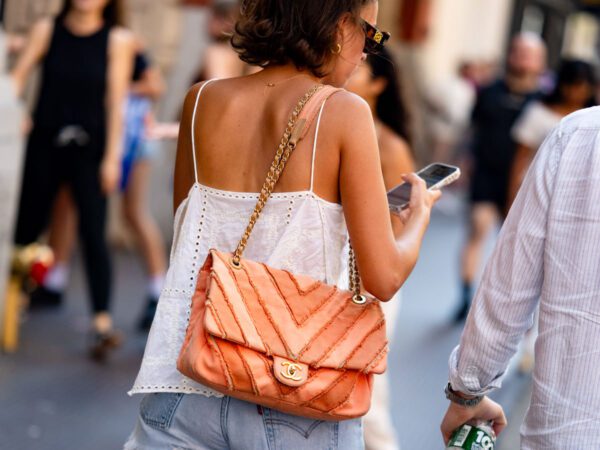
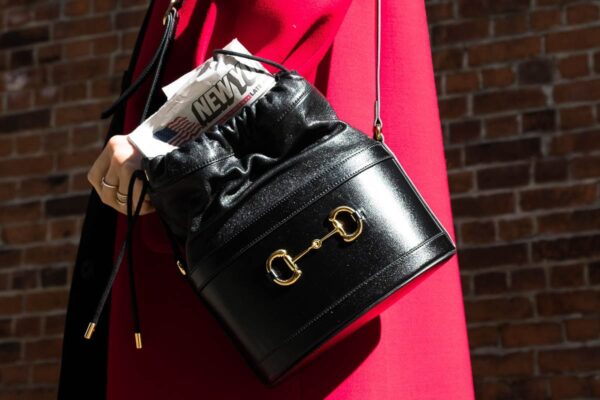
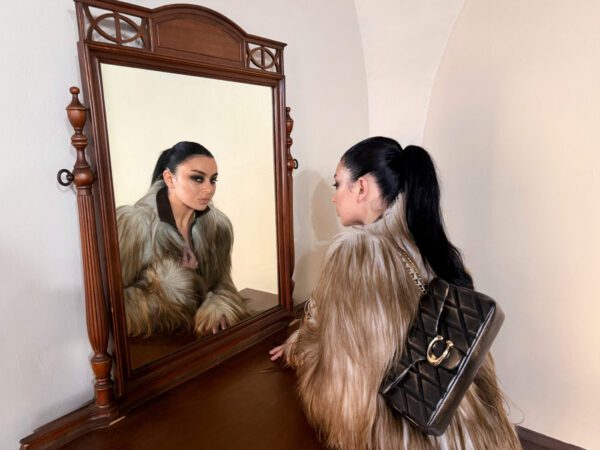
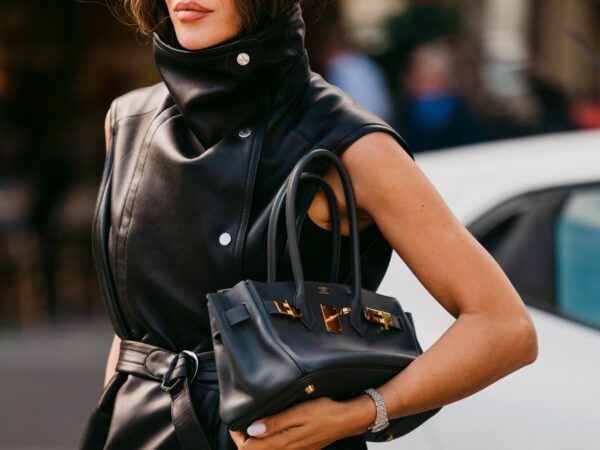
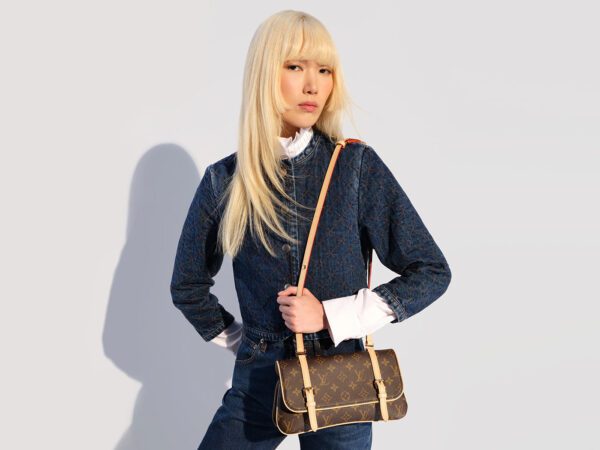
In its place: Chanel Classic Flaps, Louis Vuitton Speedys, Gucci top handles, Fendi Baguettes, Miu Miu Ivy bags, and whatever else their owners would ordinarily carry to dinner in Manhattan. Kaia Gerber arrived at a US Open exhibition match this week in a sleek black dress and carrying a tiger-print Fendi Baguette composed of woven raffia and more than 22,000 beads, for example. It was technically made of a material beloved by tenniscore, but nobody looking at it would think: Could you fit a can of Wilson balls in there?
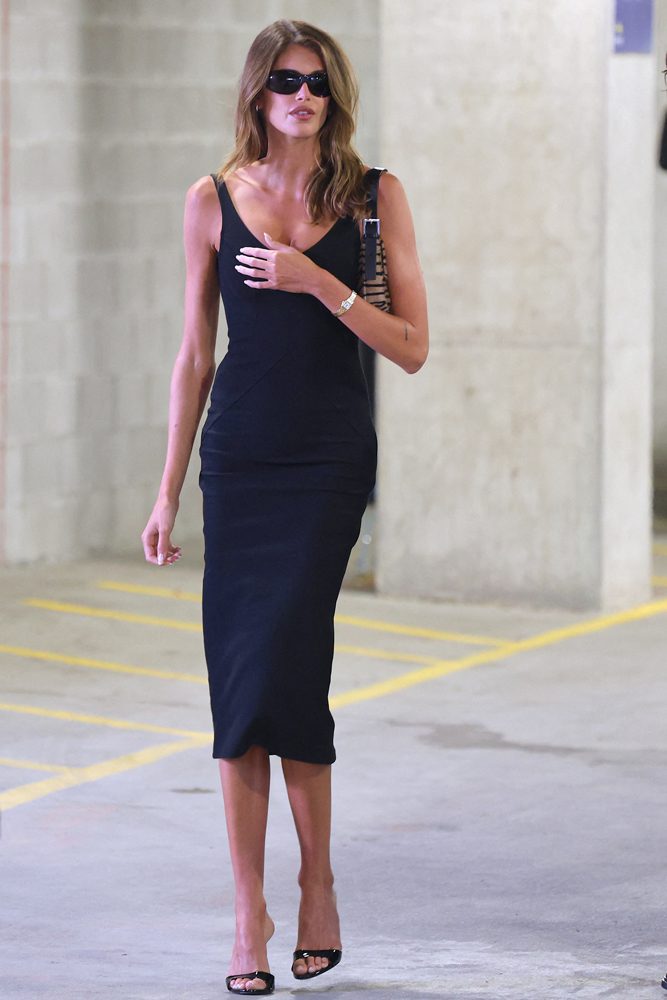
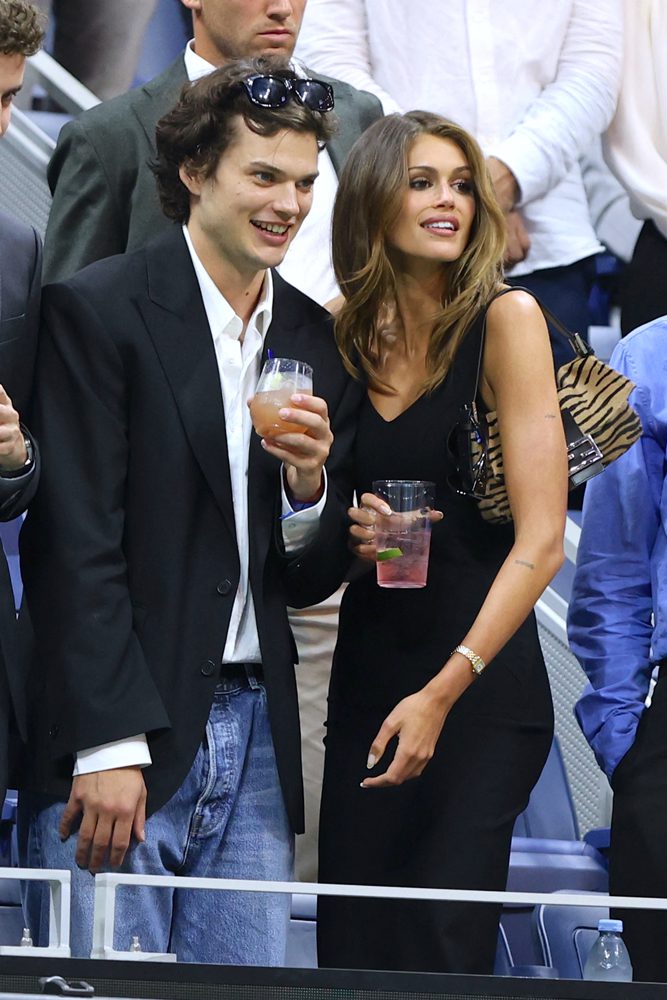
Let’s be clear: this isn’t a criticism. I am personally delighted by any social development that permits a Fendi Baguette to spend more time outside the house, but it does raise a question: Is there such a thing as a “tennis bag” anymore, or have we collectively decided that any nice bag becomes a tennis bag the moment it passes through security at Arthur Ashe Stadium?
Tenniscore Was Never Really About Tennis
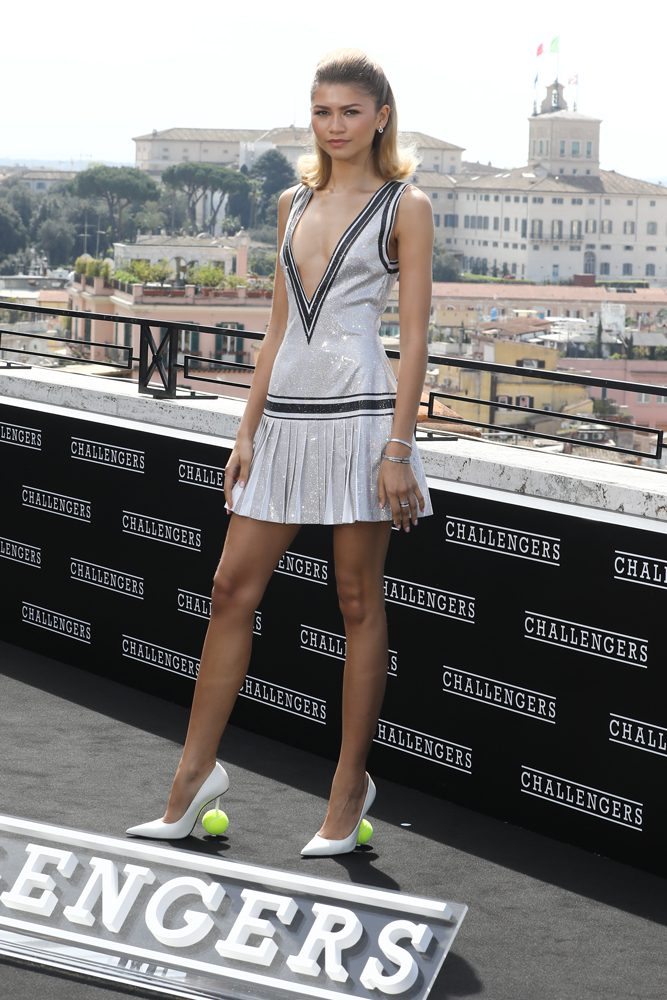
For several summers, tenniscore was among fashion’s most recognizable assignments. Pleated skirts, cable-knit sweaters, polo collars, white sneakers, and striped canvas totes created an aesthetic that could be assembled without going anywhere near a baseline. Zendaya’s Challengers press tour pushed the fantasy to its logical extreme in 2024, when virtually anything white, green, or vaguely aerodynamic was understood to be a reference to tennis. Loewe even put tennis balls on a pair of heels, thereby accomplishing something the sport itself never had: making people wonder whether a tennis ball might benefit from a stiletto.
The bags followed the same visual rules: woven totes suggested a tasteful afternoon at the club, small white shoulder bags looked crisp enough to belong beside a grass court, and sporty crossbodies implied that their owners might need both hands free at any moment, presumably to return serve rather than hold a Honey Deuce and photograph it simultaneously.
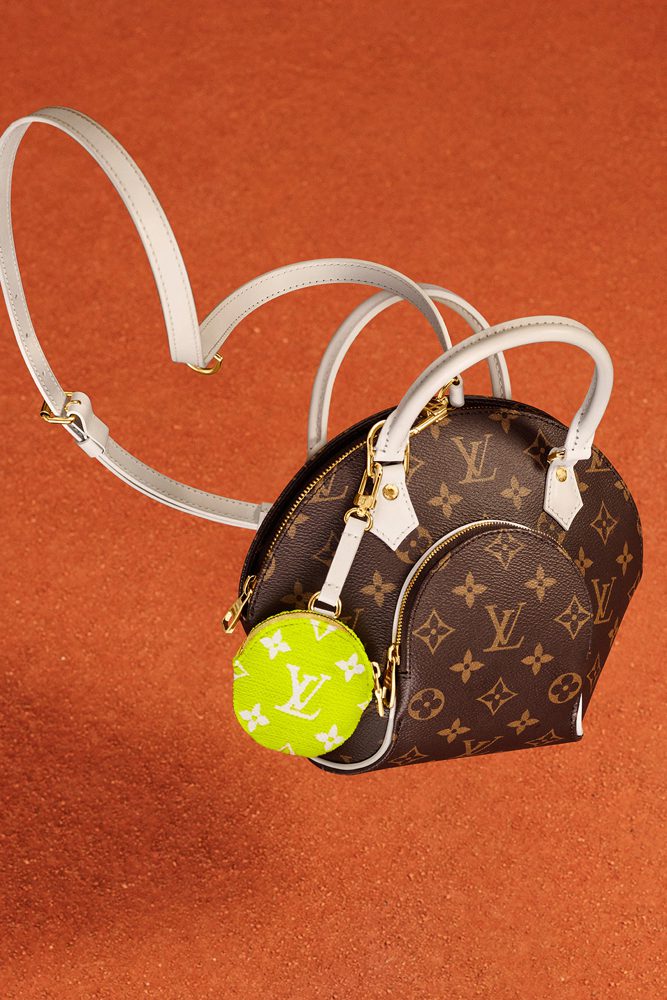
None of these bags needed to function as actual tennis bags because function was never really the point. Tenniscore sold proximity to the sport’s social world—the clubhouses, manicured lawns, expensive sunglasses, and attractive people drinking something with cucumber in it. It offered the codes of old leisure without requiring the inconvenience of athletic ability.
The Problem With a Real Tennis Bag
That likely became the case because a real tennis bag is not especially romantic. It is large, technical, shaped to accommodate rackets, damp towels, and at least one browning banana. It belongs to the same broad family as ski boot bags and golf club covers, which are useful objects that resist being made charming.
Tenniscore changed everything by separating tennis style from tennis equipment. Suddenly, even non-tennis players could wear this new iteration of tennis clothes. But now, that separation has become so complete that the aesthetic barely refers to tennis at all.
The evolution makes particular sense at the US Open, which has long been less prestigious than the other Grand Slams. Wimbledon insists upon tradition (they’re British, after all), Roland-Garros gives us Parisian elegance and the aesthetically obliging color of clay, and the US Open gives us night matches, celebrity reaction shots, $23 cocktails, and the possibility that someone in your row will spend an entire tiebreak locating her Uber.
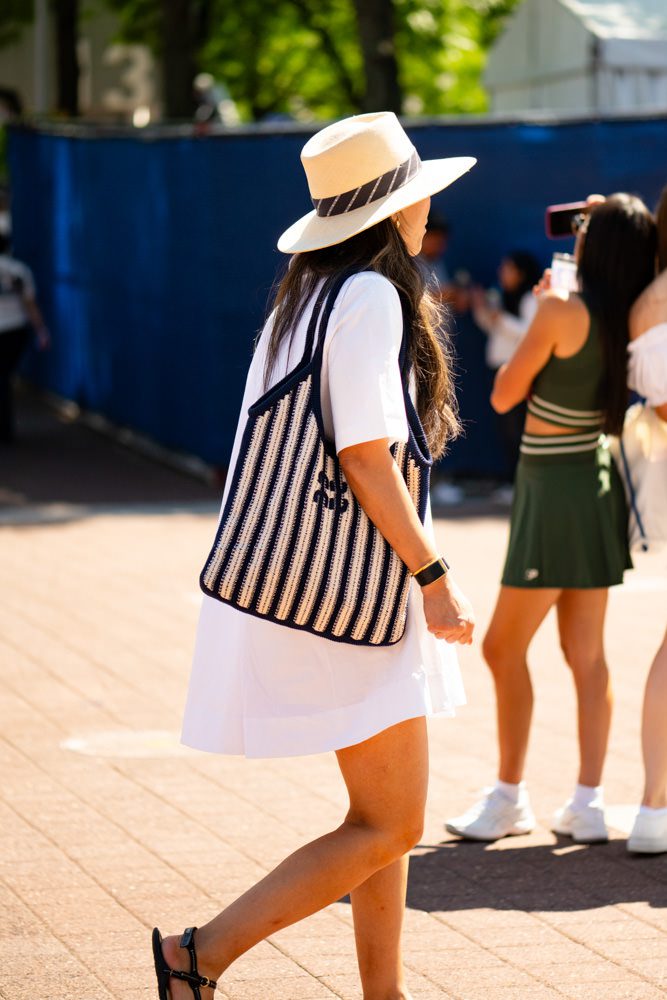
It is a sporting event, certainly, but it is also one of New York’s largest late-summer fashion conventions. People dress for the Open as they dress for Fashion Week, except the shoes must survive considerably more walking, and the main attraction is occasionally visible without a phone screen.
At the US Open, the It Bag Wins
The logical endpoint is not a specially themed accessory but an It bag. After all, if the Open is where one goes to be seen, why carry a bag that merely coordinates with tennis when one can carry the bag one most wants other people to notice?
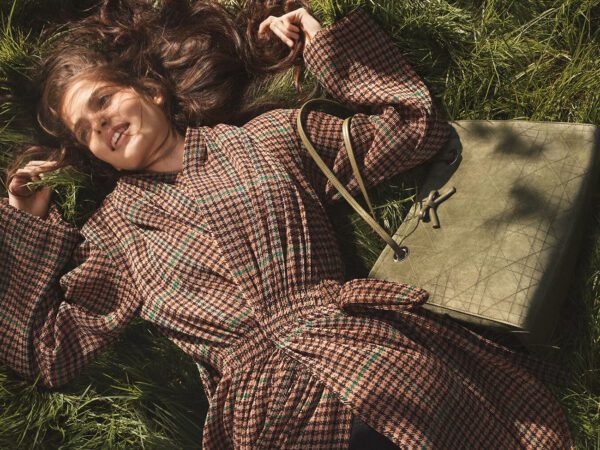
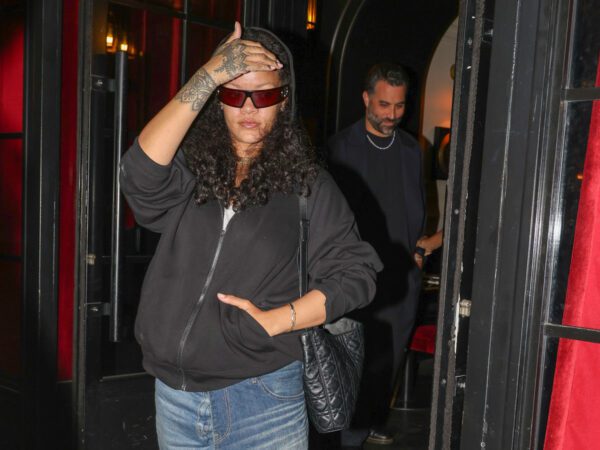
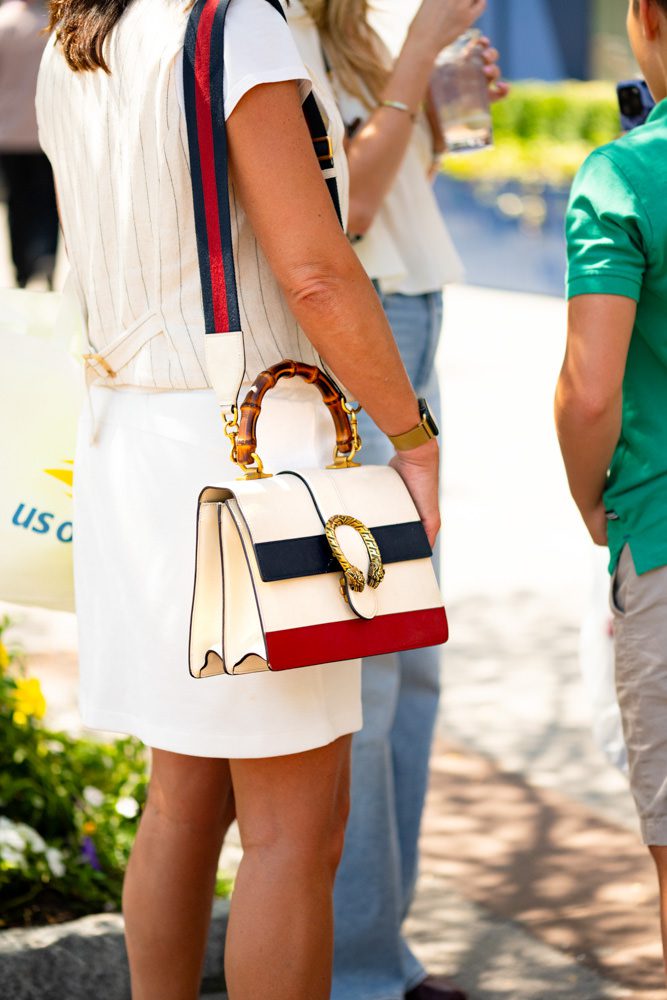
This season’s early courtside sightings make the shift particularly clear. Alongside the occasional literal Lacoste tennis bag are a Gucci Dionysus Bamboo top handle, a Coach Nolita, a Fendi Mon Tresor, a Louis Vuitton NéoNoé, and a Chanel Flap. These bags have almost nothing in common stylistically. Some are structured, others slouchy; some logo-heavy, others relatively discreet. Their shared characteristic is not tennis; it is desirability.
In other words, tenniscore may be following the fate of every aesthetic that becomes too popular: it expands until it ceases to mean anything.
We have already watched “quiet luxury” come to describe nearly every beige object priced above $500, for example. Then there’s “coastal grandmother,” which has come to encompass anyone wearing linen near water, while “old money” is now routinely applied to mass-produced polyester cardigans ordered from Amazon. Once a trend becomes a universally understood marketing language, its boundaries loosen. Eventually, it stops describing a coherent look and begins describing a mood—or, less generously, a shopping prompt.
Tenniscore is now reaching that stage. Carry a raffia tote, and it is tenniscore. Carry a white mini bag, and it is tenniscore. Carry a tiger-striped Fendi Baguette with a black bodycon dress, and fashion publications may call the look “anti-tenniscore,” which is useful because it allows an outfit containing no tennis references whatsoever to remain part of the tennis conversation.
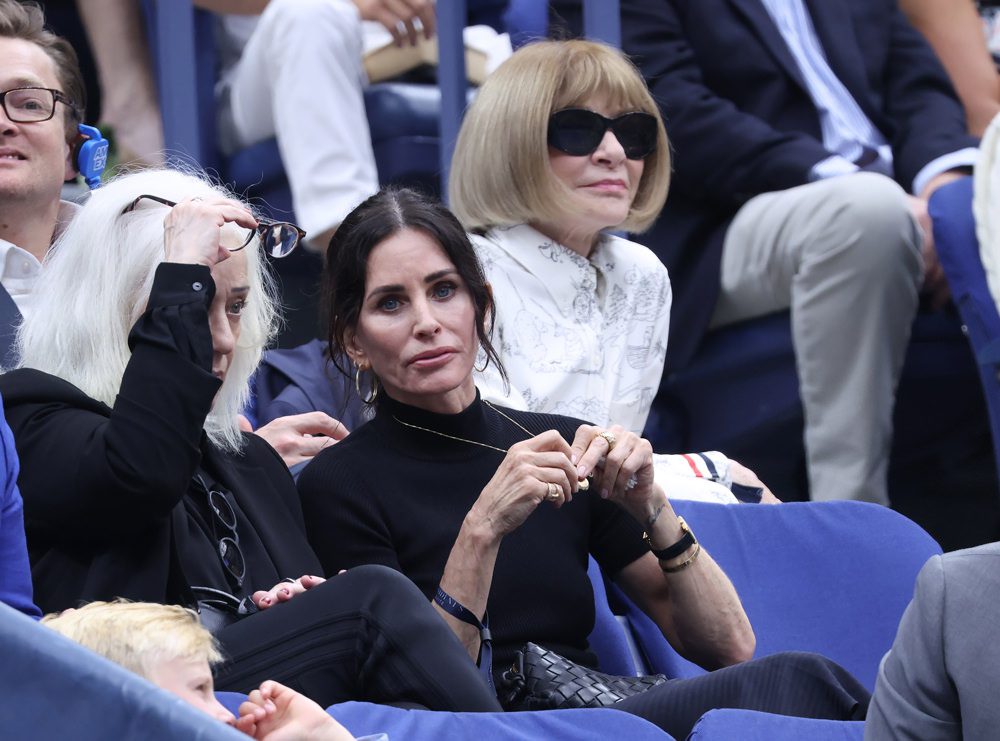
Fashion has devised a perfect system: following the trend is tenniscore, but rejecting the trend is also tenniscore. So the only way to lose is to arrive without a bag, which is, to put it simply, extremely uncomfortable given the fact that you need your phone and some sort of ID to walk in, plus perhaps a lipstick or two in case you’re seated near Anna Wintour.
So, What Actually Counts as a Tennis Bag?
Perhaps, though, the disappearance of the traditional tennis bag says something flattering about the US Open. Could the tournament have become culturally powerful enough to generate its own dress code without imposing a uniform? People no longer need to cosplay the sport because simply being there supplies all the necessary context. In a way, the venue does the aesthetic work.
Think about it: a Chanel Flap at the grocery store is a Chanel Flap at the grocery store, but a Chanel Flap at Arthur Ashe is courtside style.
So, is there still such a thing as a tennis bag? Technically, yes. Professional players carry them, and anyone attempting to transport three rackets would be ill-advised to rely upon a Fendi Baguette, regardless of bead count.
For spectators, however, the category has effectively collapsed. The modern tennis bag need not be white, woven, sporty, practical, or even large enough to hold a tennis ball. It only needs to accompany its owner to Flushing Meadows and look good resting on a stadium seat.