
There’s this popular narrative peddled by us fashion folks when it comes to counterfeits: “a group of ratty stalls, the type one sees all over Chinatown,” wrote the New York Times in 2008, “with their graffiti-covered riot gates, dubious signage and with touts outside hissing in Shanghai-accented English.”
“Standing outside,” continues author Guy Trebay, “were men who resembled the African immigrant vendors who haul around telltale bundles of alluring, cheapish and almost-right copies of stuff from Gucci and Louis Vuitton.”
Counterfeits, in other words, have always been the currency of the clandestine: alien apparitions prowling in parking lots peddling problematic Prada and cradling dubious identities (and with that, the risk of deportation).
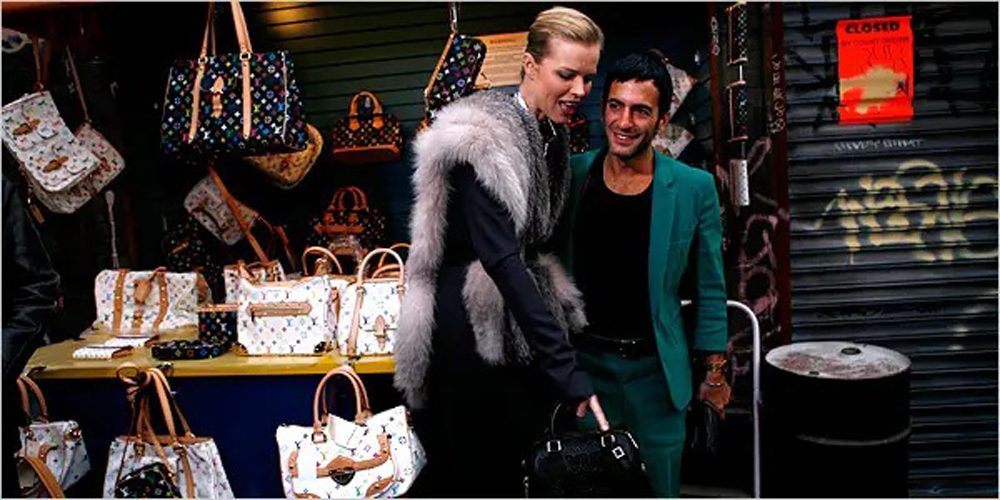
Ironically enough, this rather perilous depiction was a parody unto itself (supposedly), and what the NYT then proceeded to describe was not, in fact, the bustling business of bootlegs, but instead, Marc Jacobs’ 2008 exhibition for the Brooklyn Museum featuring the Louis Vuitton Murakami Multicolore collection.
And inside its police-manned premises – far from the covert avenues of Canal Street and Chinatown where recent crackdowns had left dozens of stores raided and padlocked – “the goods laid out on trays and tarps were real Vuitton accessories. They cost, as they do in the stores, a bomb.”
All the while, the real trade in replicas was happening elsewhere.
“Fake trainers on the streets of Paris, fake cigarettes in West Africa, and pirate music CDs in the USA,” says seasoned counterfeit investigator Alastair Gray, “whatever you think, this isn’t a faraway problem happening in China. It’s happening right here.” And partakers of the profession – buyers and sellers alike – have similarly evolved. “They fly first class now,” Gray concedes.
And sometimes, they can be someone much closer to home than you think.
Like Kendall Jenner.
Super Fakes, Real Success
For a brief chapter between 1976 and 1991, Louis Vuitton bags bore not the standard heritage “Made in France” label but instead read: “Louis Vuitton, Manufactured in the USA Under Special License to The French Co.”
The French Company, as the California-based luggage manufacturer came to be called, marks a distinct deviation from the norm of the French label – an official, once-in-a-lifetime licensing agreement that enabled Louis Vuitton to bypass strict American customs regulations, and thus rapidly fulfill upscale department store inventories in the US.
Which is why their bags today may read slightly, well, off. The color is half a shade darker, the hardware of a different metal, and the linings not quite the quintessential Louis – The French Company used their own leathers and materials, after all – all niche knowledge for the vintage veteran.
Kendall Jenner, unfortunately, is not a vintage veteran.
And subsequently, a certain Louis Vuitton bumbag she carried back in 2017 was – as was publicly promulgated right here on PurseBlog – a fake.
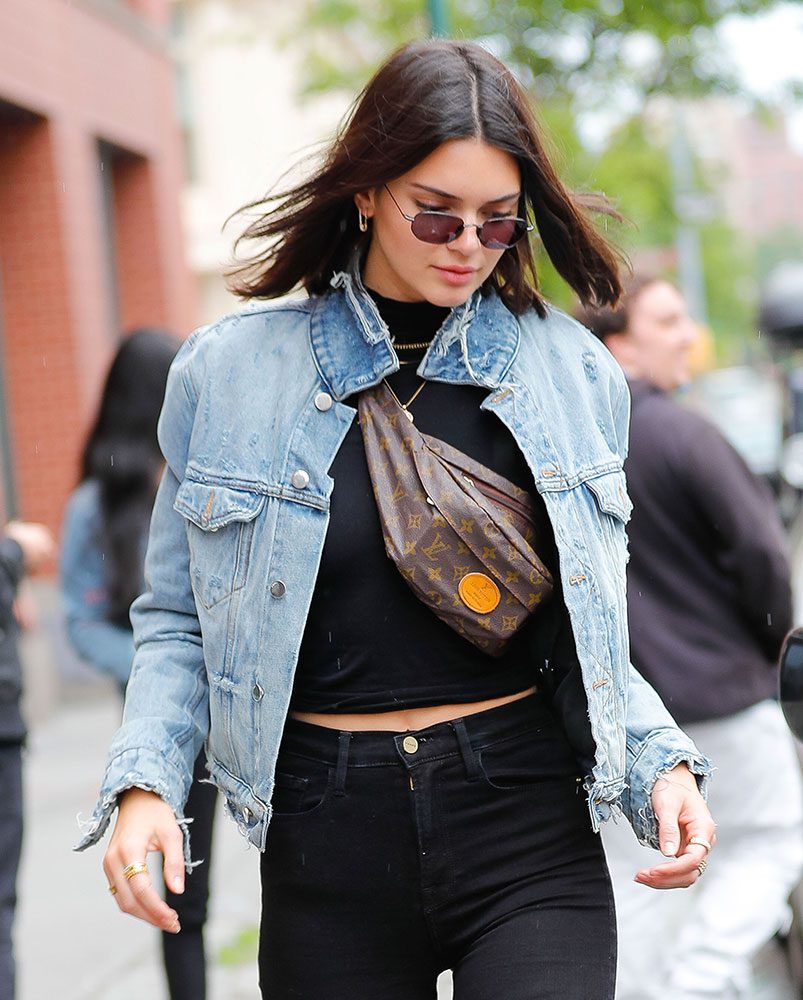
In her defense, the Kar-Jenners had only just switched stylists, and vintage Vuitton – for all its French Company complexities – can often be baffling to a professional. And Kendall – far from a professional – likely didn’t know.
Or she simply didn’t care.
Who did know, however, was Praepitcha “Prim” Smatsorabudh, who in 2016 was sentenced to 30 months in federal prison for buying $400,000 worth of designer purses from department stores like Neiman Marcus, returning them in exchange for high-quality rip-offs, and reselling the real deal for a profit.
It was years before the stores took notice.
As did Real Housewife of Salt Lake City, Jen Shah, whose house was raided for telemarketing fraud (while Bravo cameras were rolling, no less), only for the forfeitors to stumble upon shelves upon shelves of fake Louis Vuitton, commingled with a few authentic pieces for good measure.
Welcome to the age of the superfake, a stark departure from the parking lot, right into the storefront of The Real Real.
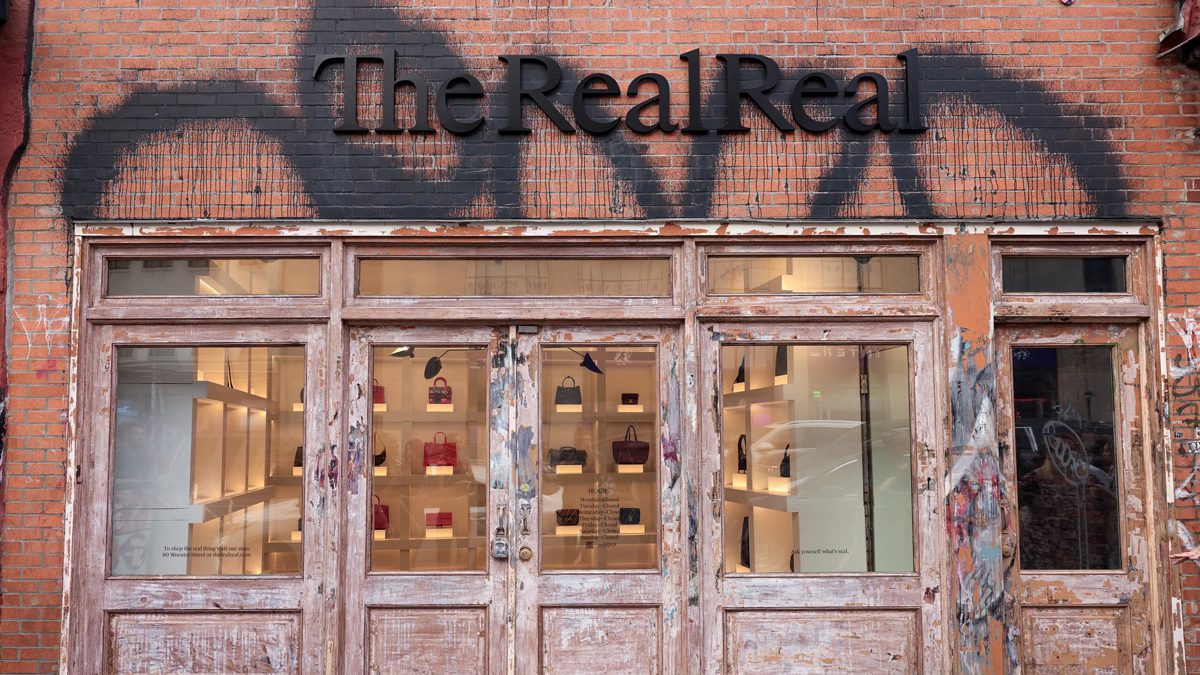
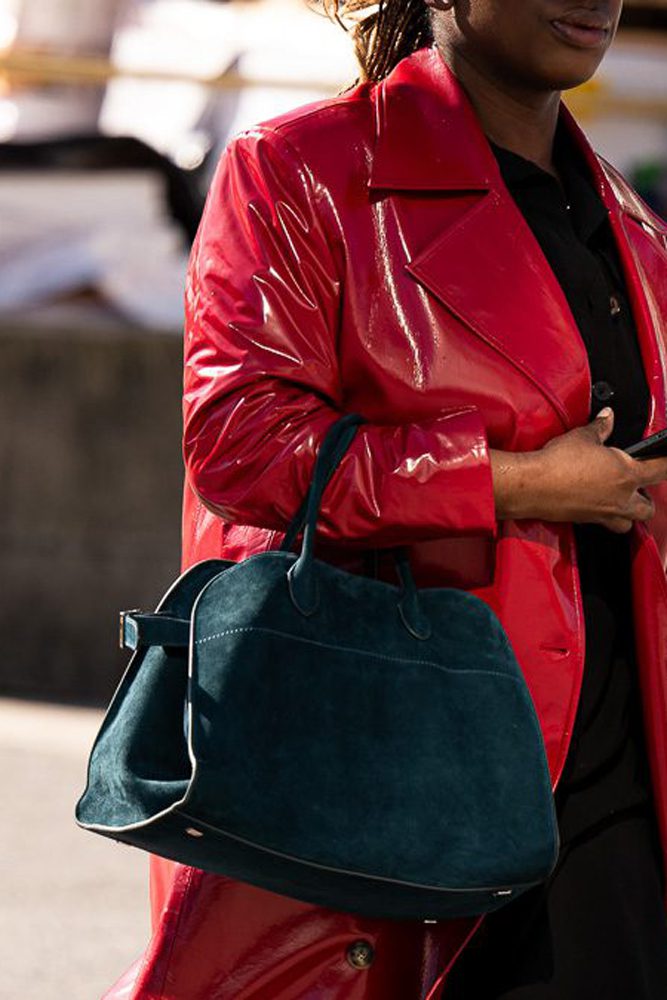
In an interview with the New York Times, Hunter Thompson, the resale platform’s director of authentication, refers by way of an example to a black Double Circle bag from The Row: “If I saw somebody walking down the street with this, and I look at these things every day – I wouldn’t really know.”
And that, dear reader, is how you know that superfakes are succeeding.
Let Them Wear Fake
“What is even considered authentic?” wrote The Cut in a scandalizing story just a year into the Jen Shah jeopardy, “For this cadre of rep obsessives, status isn’t a massive collection of real luxury bags; it’s the ability to find a fake so perfect, it feels more theirs than the real thing.”
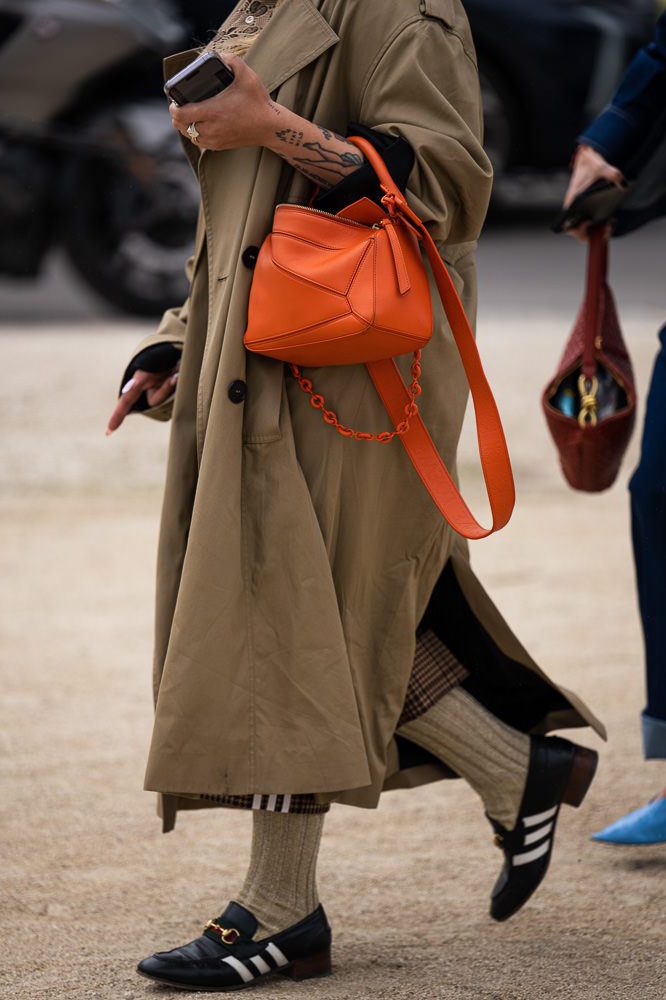
It was thus that the fashion world was introduced to RepLadies: a Reddit community of replica enthusiasts trading recommendations for “trusted sellers” capable of delivering a 1:1 Chanel Flap or Loewe Puzzle virtually indistinguishable from the original… at roughly 5% of retail.
And the ladies repping RepLadies run the full gamut of the replica rationale: “wealthy people just have more interesting things to do with their money. They invest in crypto. They reinvest in their businesses. They invest in their children,” posted Lisa (a pseudonym), a wholesome pillar of domestic virtue.
For others, it is “a way of subverting the system and sticking it to the man; reps ‘take a shit on the you can’t sit with us mentality of designer brands.”
What’s worrying, however, is just how many people seem to agree.
A joint study by the City University of London, the Stockholm School of Economics, and Harvard Business School, surveying 2,000 participants in the U.S. and Sweden, revealed that “the egalitarian value increases consumers’ motivation to purchase counterfeit luxury goods beyond their hedonic, utilitarian, economic, or status signaling value.”
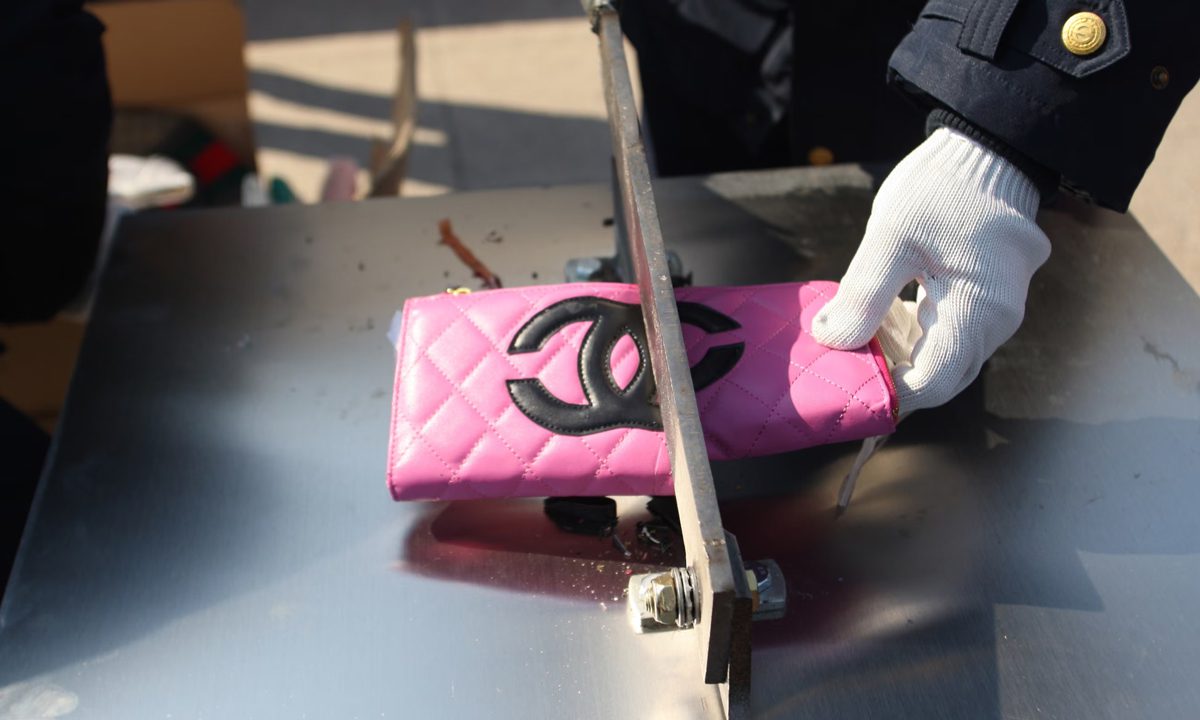
In other words, with the cost of living crisis in overdrive and luxury prices skyrocketing, “young people are starting to popularize counterfeits, helping them shed their cache of exclusivity,” Fortune added, “as payback.”
“The Supreme-style tactic of creating super-limited stock to crank up exclusivity also plays a part,” writes Aleks Eror for Highsnobiety, “those willing to pay retail for a pair of YEEZYs are pushed into buying knockoffs because the brand has willingly put the real thing out of their reach.”
“So don’t shed a tear for brands so adored that they become targets for counterfeiters,” he concludes, “the reality is that they’ve brought it upon themselves.”
“That’s the Highest Achievement That You Can Get”
“But just because the consensus leans towards condemnation,” wrote Eror in a follow-up piece for Highsnobiety, “that doesn’t make it universal.”
“You can’t counterfeit something that’s not wanted, that’s the highest achievement that you can get: to make an idea and then someone wants to make a copy of it,” confessed late-designer Virgil Abloh.
“If Vogue was the holy grail of “making it” for a brand, Canal Street dupes were the real milestone of commercial success. You really had to be somebody to be worth it to copy,” wrote Liana Satenstein, and it mirrored Eror’s own argument in favor of the knockoff economy. The Knockoff Economy: How Imitation Sparks Innovation, by authors Kal Raustiala and Christopher Sprigman, then became a critically-acclaimed bestseller in its own right!
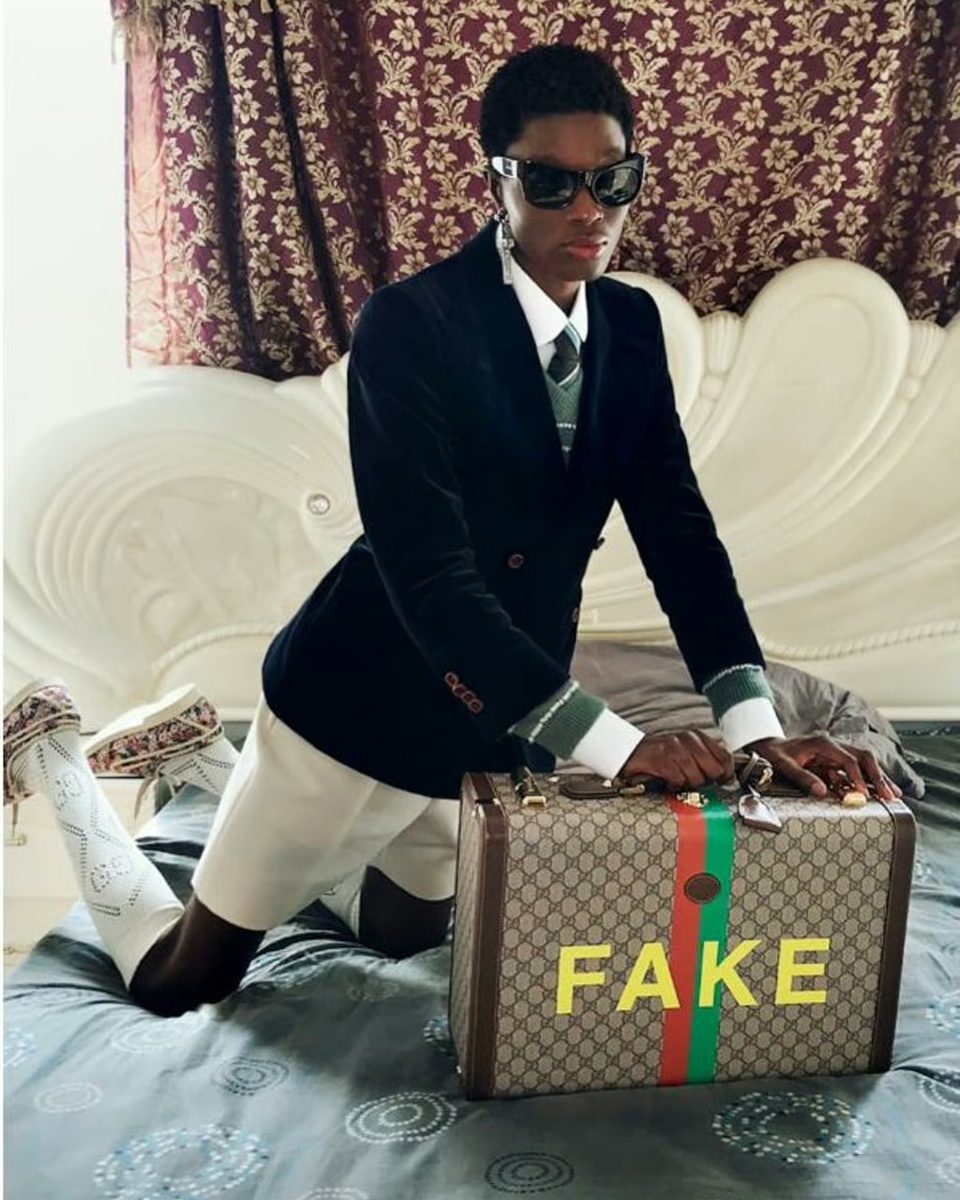
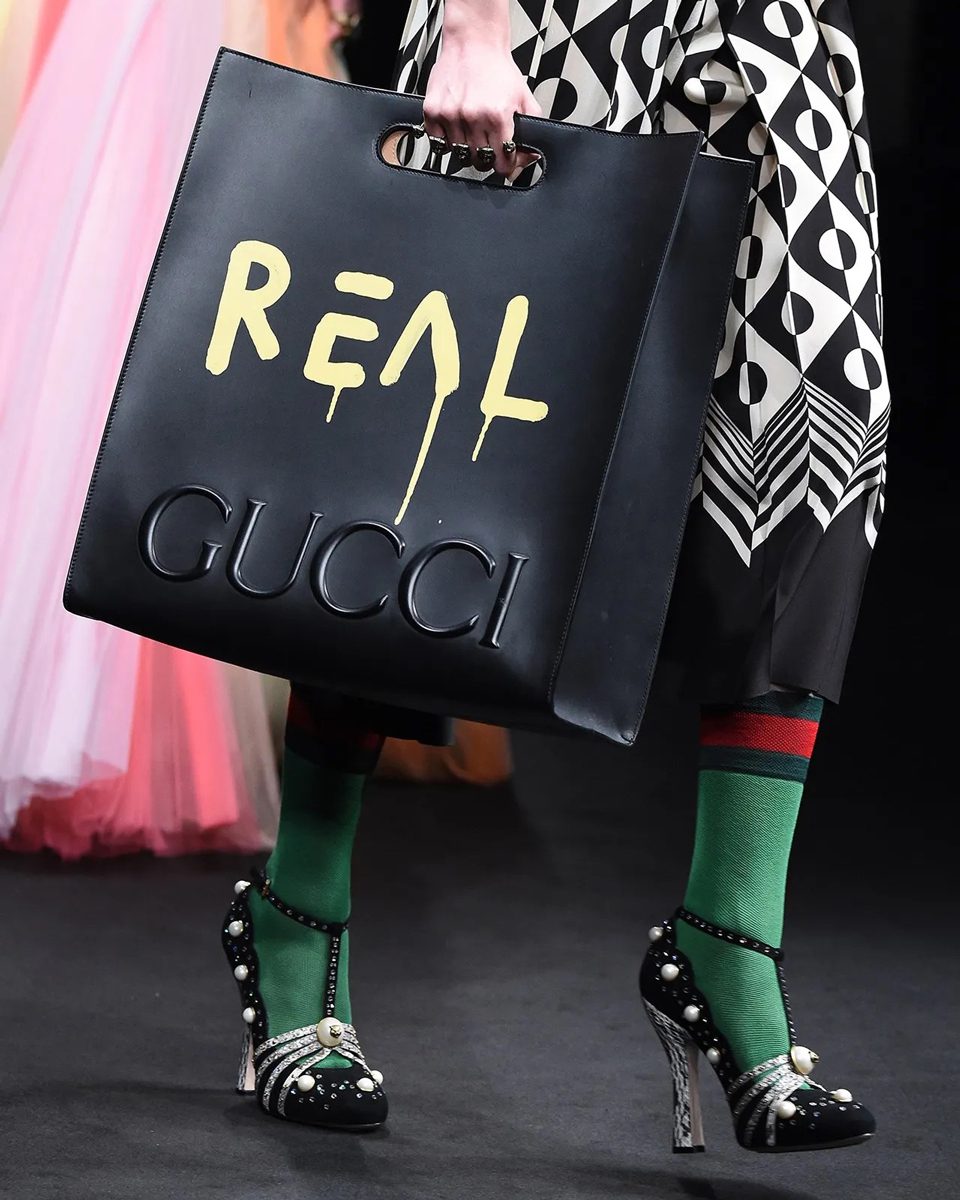
And at the heart of its premise lies the simple fact: “if you spot someone on the street in some convincing knockoffs, your brain is going to respond to them in the same way that you would to real ones,” writes Eror, “Essentially, this counts as free advertising.” In fact, seeing a peer carry a label (legitimate or otherwise) can sometimes slip by our resistance to traditional marketing.
In fact, in a two-and-a-half-year-long study centering on 112 women who attended “purse parties” – suburban covens convening to peddle counterfeit purses – researcher Renee Richardson Gosline of the Massachusetts Institute of Technology further found that imitations can serve as an introduction to branded goods: “The fake products were a gateway. As my subjects’ knowledge of the luxury-handbag brands increased, they began to go into stores to check out the real thing – something they had never done prior.
“The fakes hadn’t turned potential Gucci customers away from the brand,” she told Forbes, “The opposite was true.” In House of Gucci (2021), Aldo Gucci echoed the same sentiment, “Quality is for the rich. If a Long Island housewife wants the illusion that she’s a Gucci customer, why not let her?”
Perhaps said housewife could become a real Gucci client one day.
She could also very well end up in r/repladies.
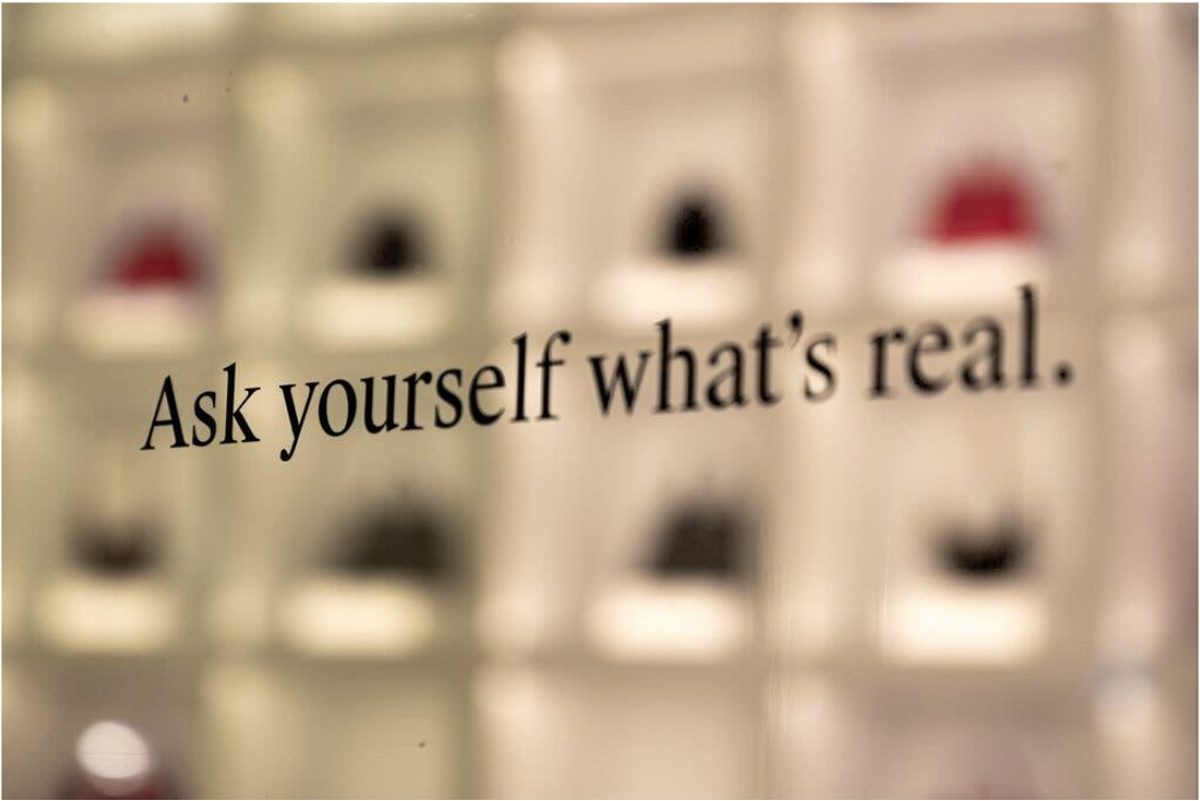
And what she chooses to put on herself is, at the end of the day, solely an individual decision. Just beware of, you know, the consequences. And the occasional tweet like:
“You date a guy who wears fake sneakers, and you expect him to be real with you. How can he be real with you when he can’t be real with himself?”