
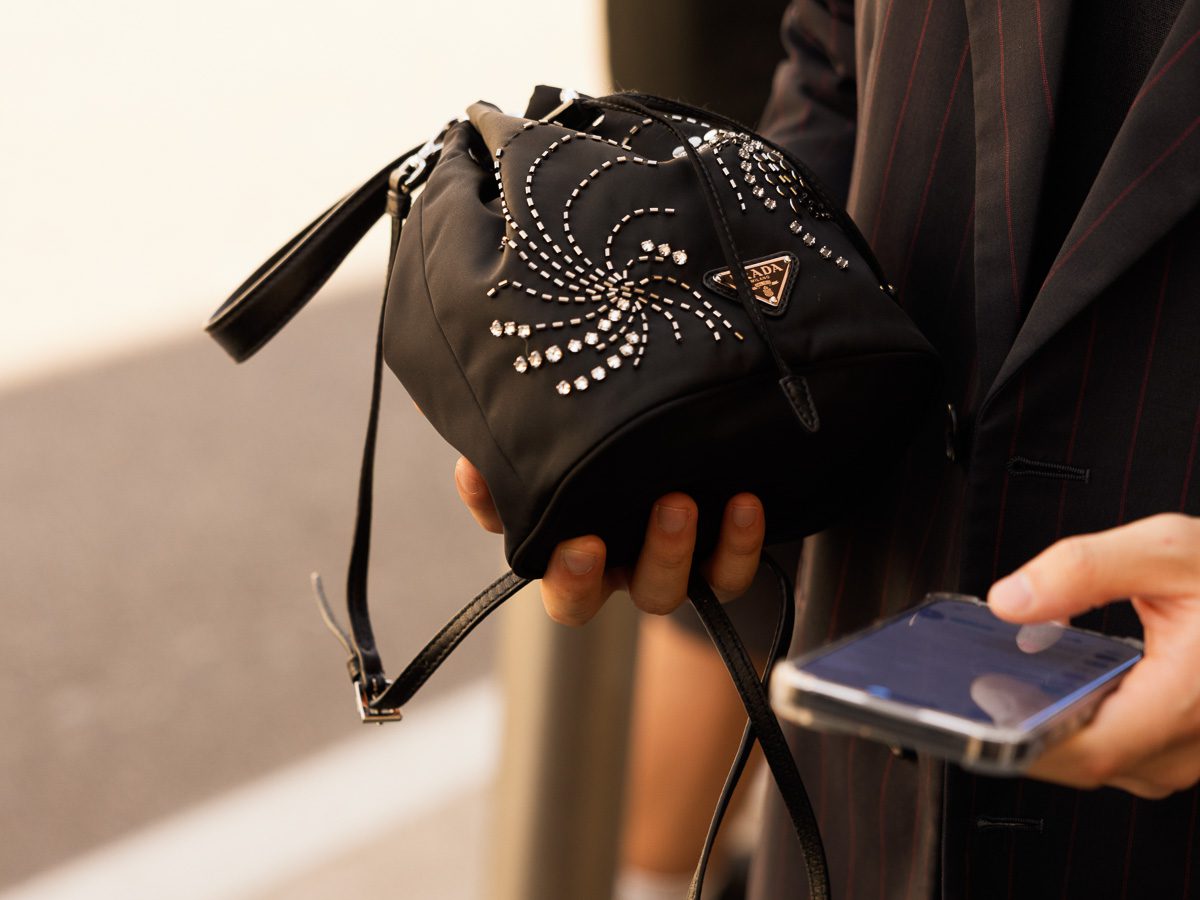

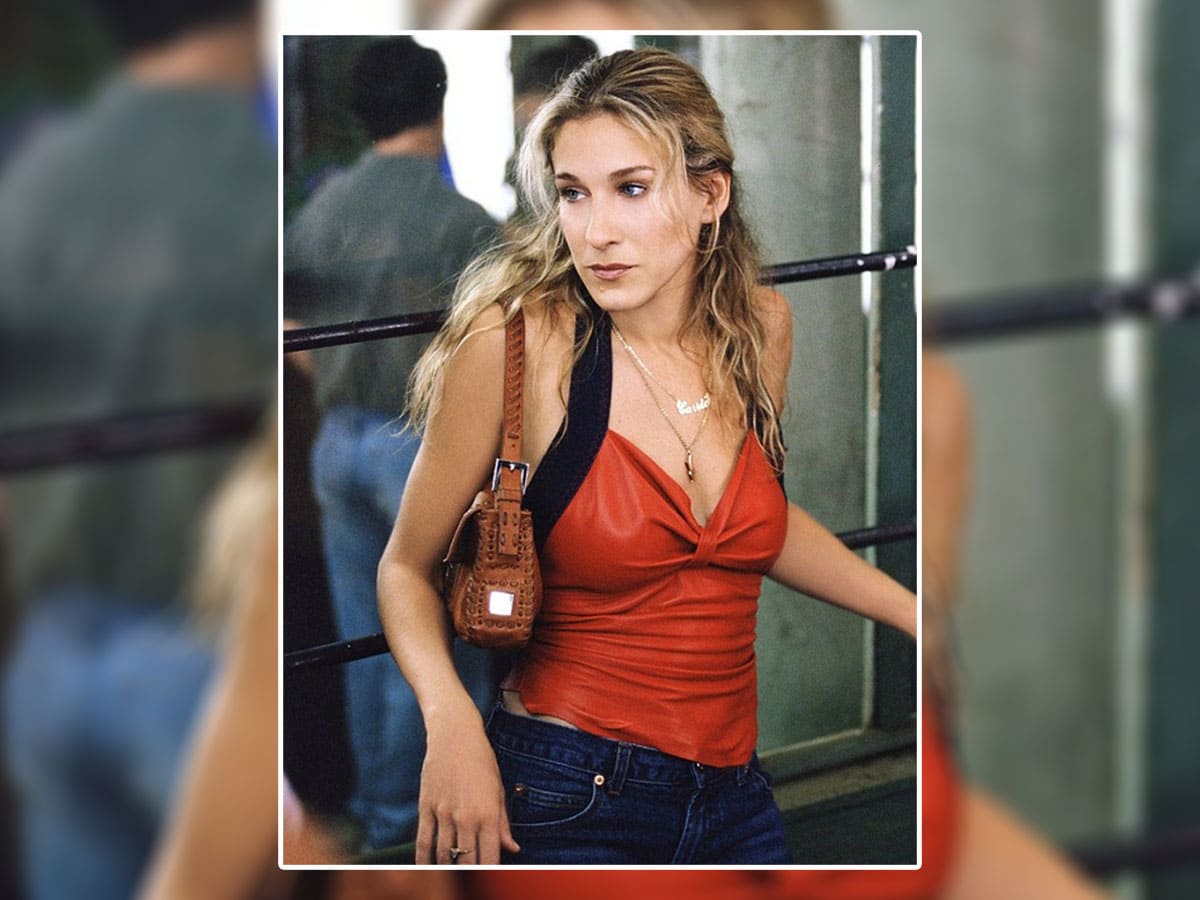
While the It-Bag has historical roots (one could argue they date back to the 1950s with the Hermès Kelly and the Chanel Flap), the true era of the It-Bag began with the Fendi Baguette, which was propelled into the mainstream by Sex and the City.
A clear favorite of Carrie Bradshaw, the show featured multiple iterations of the iconic bag draped over the arm of its main character, even referencing it in the script. Sex and the City helped launch the Baguette beyond the fashion crowd and into the cultural mainstream, and to this day, few other handbag designs have come close to achieving such an iconic moment in pop culture.
What Made an It-Bag an It-Bag?
The term It-Bag can be defined in a variety of ways, but most definitions agree on one thing: an It-Bag reaches a level of popularity that extends far beyond those who closely follow fashion. Not only do handbag enthusiasts covet an It-Bag, but a true It-Bag becomes a cultural phenomenon—an icon recognizable even to those who couldn’t care less about the latest runway collections.
Since the late ’90s, when the era of the It-Bag truly began, countless cult favorites have become the must-have accessory of the season—or, in some cases, several seasons.
You know the kind: the bag that told the world, I’m here.
I’ve made it.
Look at me.
In many cases, an It-Bag was only truly an It-Bag if most people couldn’t actually get their hands on one.
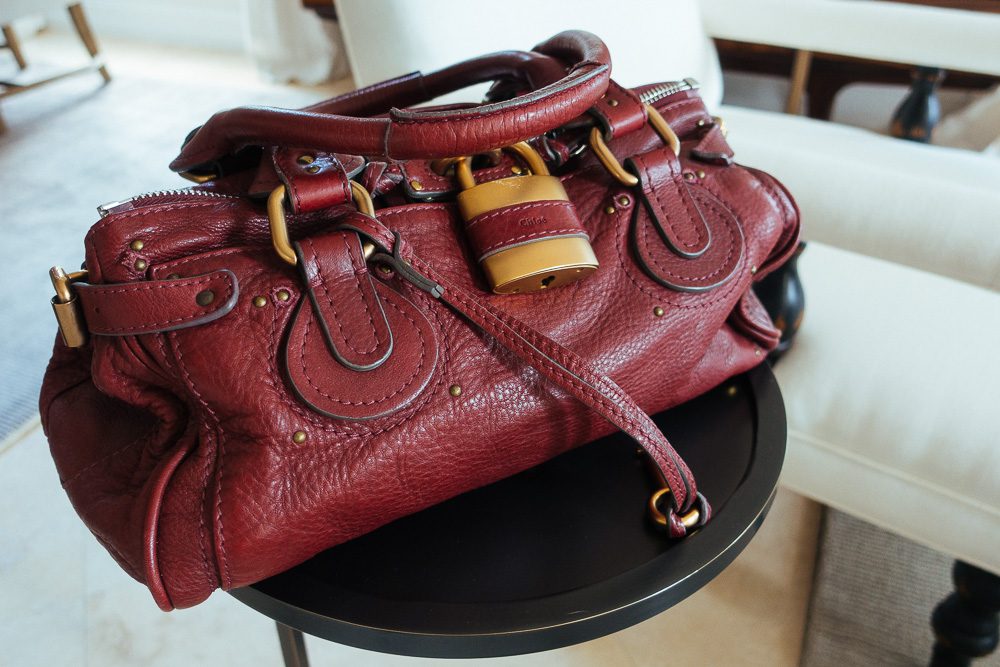
Take, for example, the Chloé Paddington, which debuted in 2005 to widespread acclaim (Megs and Vlad even spent a day driving across Germany to buy one). Characterized by its oversized lock and iconic slouchy silhouette, the Paddington became one of the defining bags of the era, leaving shoppers clamoring to find one of their own.
The Louis Vuitton Monogram Multicolore Speedy, the Celine Luggage Tote, Balenciaga’s Le City Bag, the Dior Saddle Bag, and countless others were once the bags of the moment before cementing their places in handbag history. Fashion may be cyclical, and each of these icons has enjoyed a renaissance in recent years, but can the true age of the It-Bag return as well?
Let’s discuss.
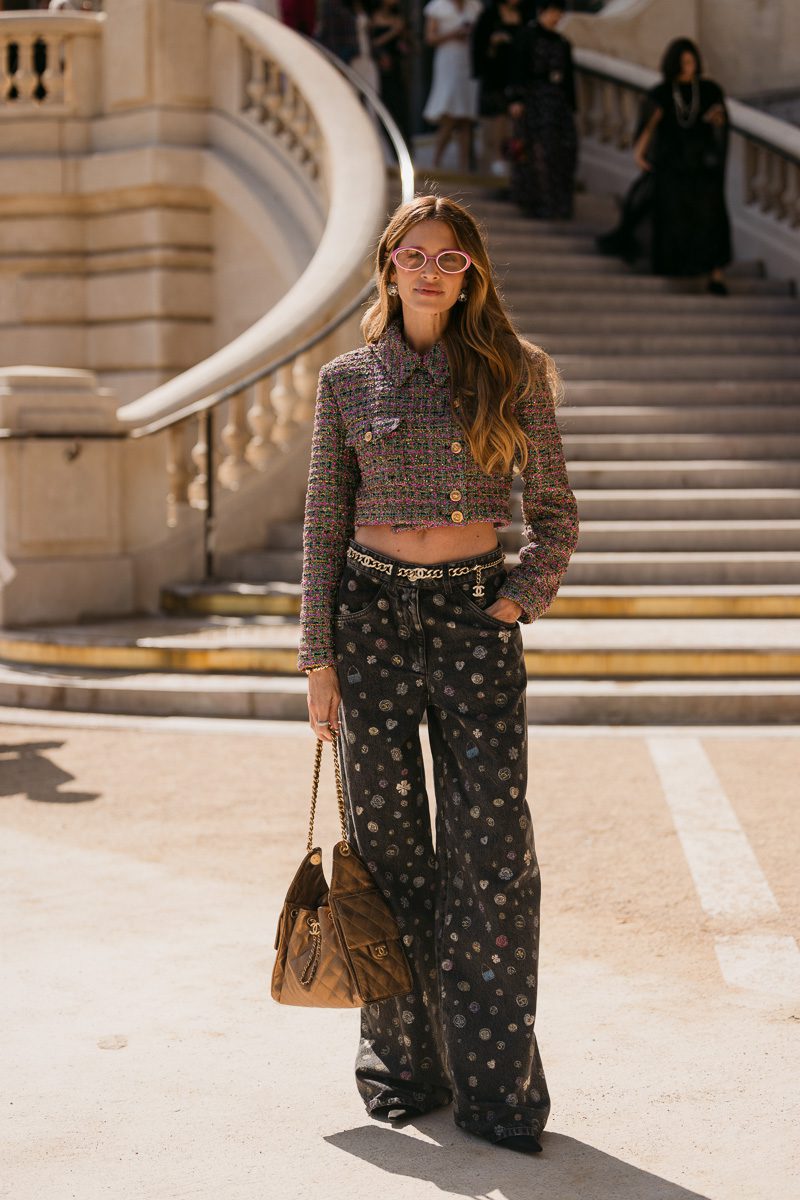
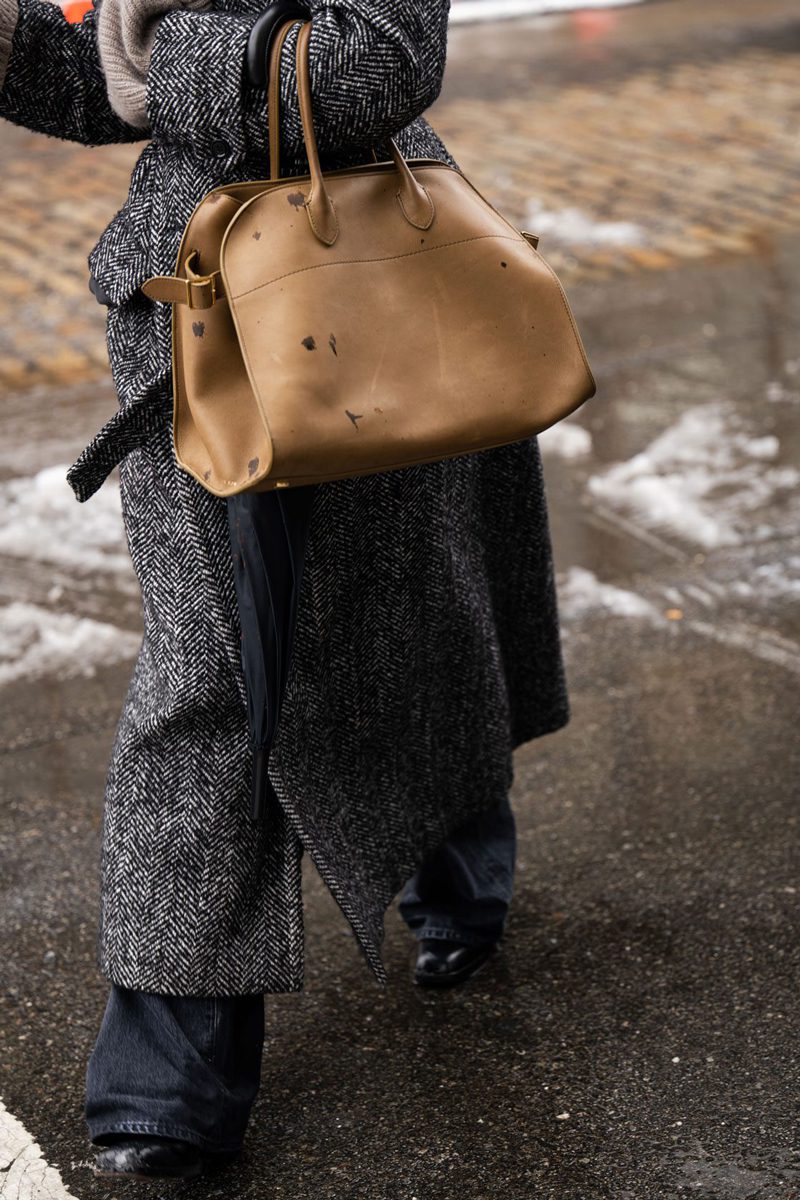
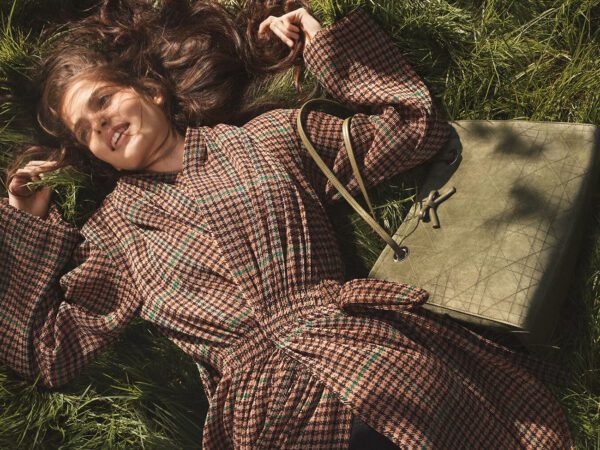
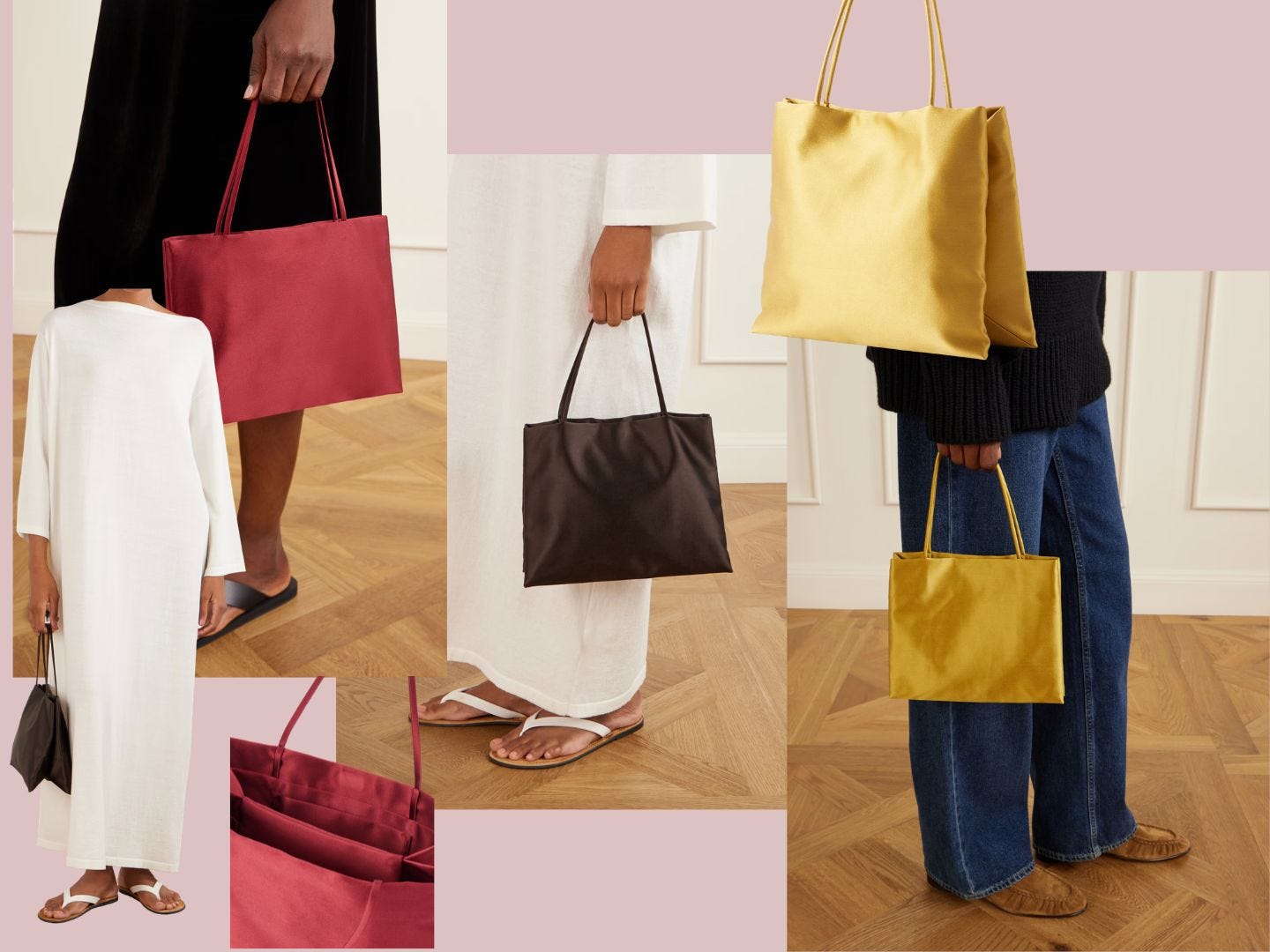
There have been plenty of new releases that debuted to immense fanfare. Think the Dior Book Tote phenomenon of the late 2010s, The Row Margaux, the Chanel 25, and more. These bags have been embraced by celebrities and influencers alike and spotted everywhere from Fashion Week to the streets of major cities. Still, few have managed to transcend the fashion bubble in quite the same way.
Did social media kill the age of the It-Bag?
How Social Media Changed the Trend Cycle
Platforms like Instagram and TikTok have fundamentally changed the way trends spread. A popular bag can become an overnight sensation thanks to the reach of social media and the carefully orchestrated drop-day strategy embraced by today’s biggest luxury brands. But that same speed may be working against the next great It-Bag. By the time a design reaches people beyond the fashion crowd, the tastemakers who helped popularize it have often already moved on.
Influencers and content creators are constantly chasing what’s next in order to keep their content fresh in an increasingly saturated landscape. If the people who first made a bag desirable have already replaced it with something new, a broader audience is less likely to develop the same attachment. Add to that growing consumer skepticism surrounding influencer-brand relationships, and the formula that once created true It-Bags becomes even harder to replicate.
Is Scarcity the Missing Ingredient?
It seems social media has taken away the time an item needs to organically develop true It-Bag status. Plus, the way we shop—and the way we think about our bags—has undoubtedly changed. According to the divisive Ask Vanessa column on the “end of the handbag,” written by New York Times fashion critic Vanessa Friedman, demand for women’s handbags was down 5.5% in April 2026 compared with the same period a year earlier.
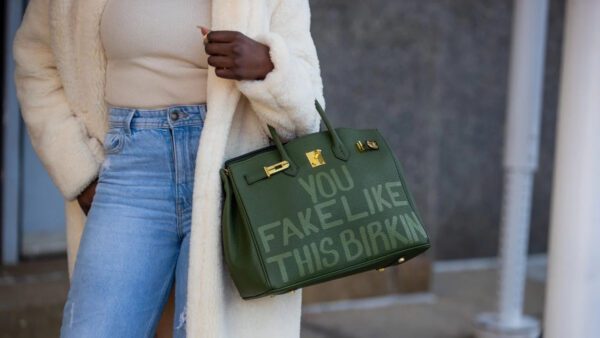
Still, the handbag is not—and likely never will be—dead. But perhaps the age of the It-Bag, at least as we once knew it, is. While social media and today’s accelerated trend cycle deserve some of the blame, the resurgence of re-edition styles has also played a role. Many of the bags that defined the original It-Bag era are now readily available on the secondhand market, making them far more accessible than they once were and diminishing the scarcity that helped fuel their allure.
Maybe that’s the biggest difference of all. The It-Bags of the late ’90s and early 2000s weren’t just desirable—they felt unattainable. Today, the next must-have bag can become an overnight sensation, but just as quickly, it’s replaced by another. In a world where everything can go viral, perhaps nothing has the time to become truly iconic.
What do you think?

I am not on social media (does PurseBlog count?) but I am having the fatigue too. In my case is the frequency of new drops. Maybe I didn’t pay too much attention before since I was busy, but I really didn’t feel these houses put out new items so often. I remember seeing something in Vogue (esp. the September issue) and for a long long time nothing new. The slow burn works. It let the creative cycle run with reflections and the public sit with a thoughtful creation for long enough to appreciate properly (or judging it to be not worthy). Time works wonders.
Now? Waves of products coming at us from a firehose, you know something new’s coming so soon, there’s no reason the linger. Not because they might not be trendy anymore, just because you wonder what’s next.
It didn’t use to be that way. In the 1990s, Louis Vuitton had a catalog that was basically good for the whole year with very few new drops throughout the year. The first shift happened with Marc Jacobs and the introduction of RTW and shoes, pushing for new collections several times a year (seasonal drops). Now, we have new items every other week it seems. I used to buy a lot of runway and limited pieces… no more! I focus exclusively on bags, luggage, and accessories that feel timeless. I enjoy my items for a lot longer. But from a business perspective, I get it. New items in store draw in customers more often. It also creates a sense of urgency: if you like something, better buy it now as it may be discontinued soon.
Maybe it’s also because only boring bags are coming onto the market anymore. As if the designers have run out of ideas.
To be fair it’s a bag. What more can they do with an item which is essentially a bag to carry things? Of course ideas will deplete over time. Theres only so many ways you can make a bag a bag.
The last bag that IMO achieved IT bag status was the BV Pouch. It was everywhere! Now it is pretty much gone. Perhaps we are a bit more intelligent with our dollars investing in iconic bags with longevity instead of the IT bag of the moment, bags cost too much to make impulsive purchases.
Fashion moves faster now in general, which seems to mean peoples’ taste and style shift more quickly as well.
WFH and people spending more time at home means fewer opportunities to use a bag before it isn’t hot anymore.
Bags have gotten ridiculously expensive and few people want to spend $5k on a bag that will look passé in 18 months.
You’re so right. I never realised this because I kinda lost interest in bags in the past few years but nothing has really stood out in that time. I guess the EW silhouette has predominated but no one bag has really become the “it bag”.
Can you remind me of some other previous it bags? The ones I really remember are like Antigona, Celine Luggage, Palm Springs Mini, Multipochette. Maybe MPA era was when the fatigue started? That was one of the first successes which was pushed by influencers and social media.
The It-bags of the 90s and 2000s unattainable?? As I recall they were quite affordable, but they weren’t as important then. It-bags climbed in significance when clothing became a mix of high-low.
Unattainable from a supply and demand perspective – remember the waitlists of the Chloé Paddington and Mombasa days?!
Prada, Gucci, LV, Loewe didn’t have waitlists. Most bags drew aura from being good value for money and appearing on celebrities’ arms (before stylists and brand ambassadorships took over). The Paddington was an outlier.