
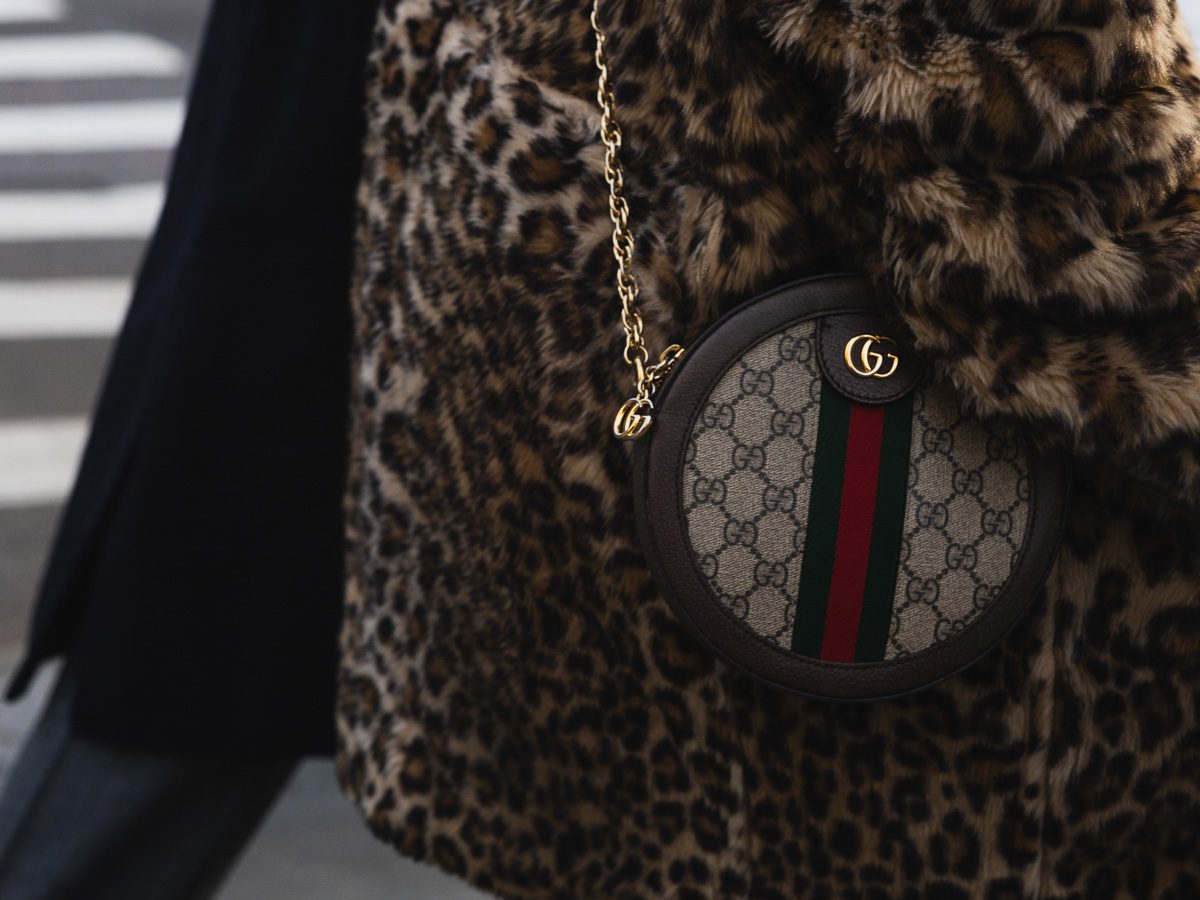

Buying a first designer bag has long been a fashion-world rite of passage, signaling not just financial standing but personal taste. For years, it was also a milestone that felt within reach. As recently as the late 2010s, first-time luxury shoppers could save up a few hundred dollars, or perhaps stretch into the low four figures, and find plenty of entry-level handbags from coveted brands. Roundups of the best designer bags under $1,000 were commonplace, offering no shortage of aspirational yet attainable options.
In the past few years, though, that door has closed. In 2026, finding a luxury designer bag under even $1,500 is a challenge, and the options that exist tend to be micro bags or fabric styles. It is virtually impossible to find a good leather bag from a luxury brand for less than $3,000.
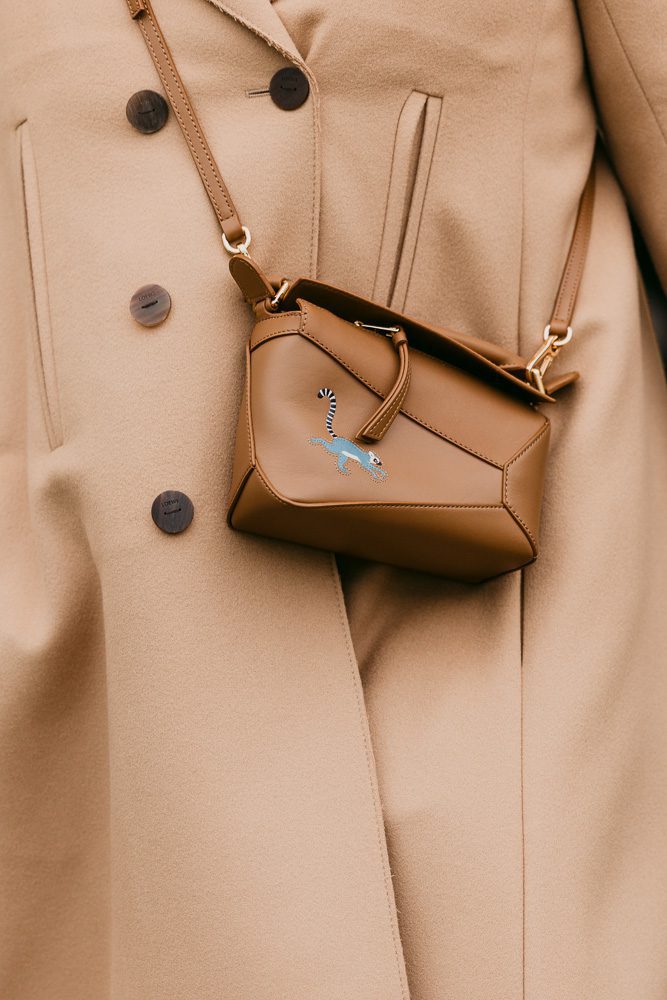
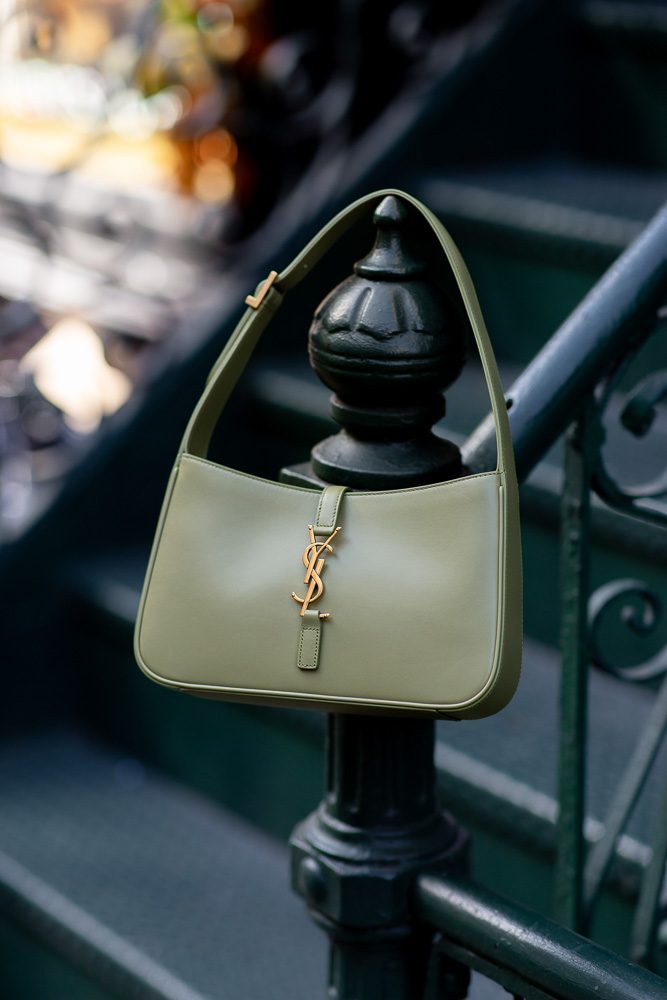
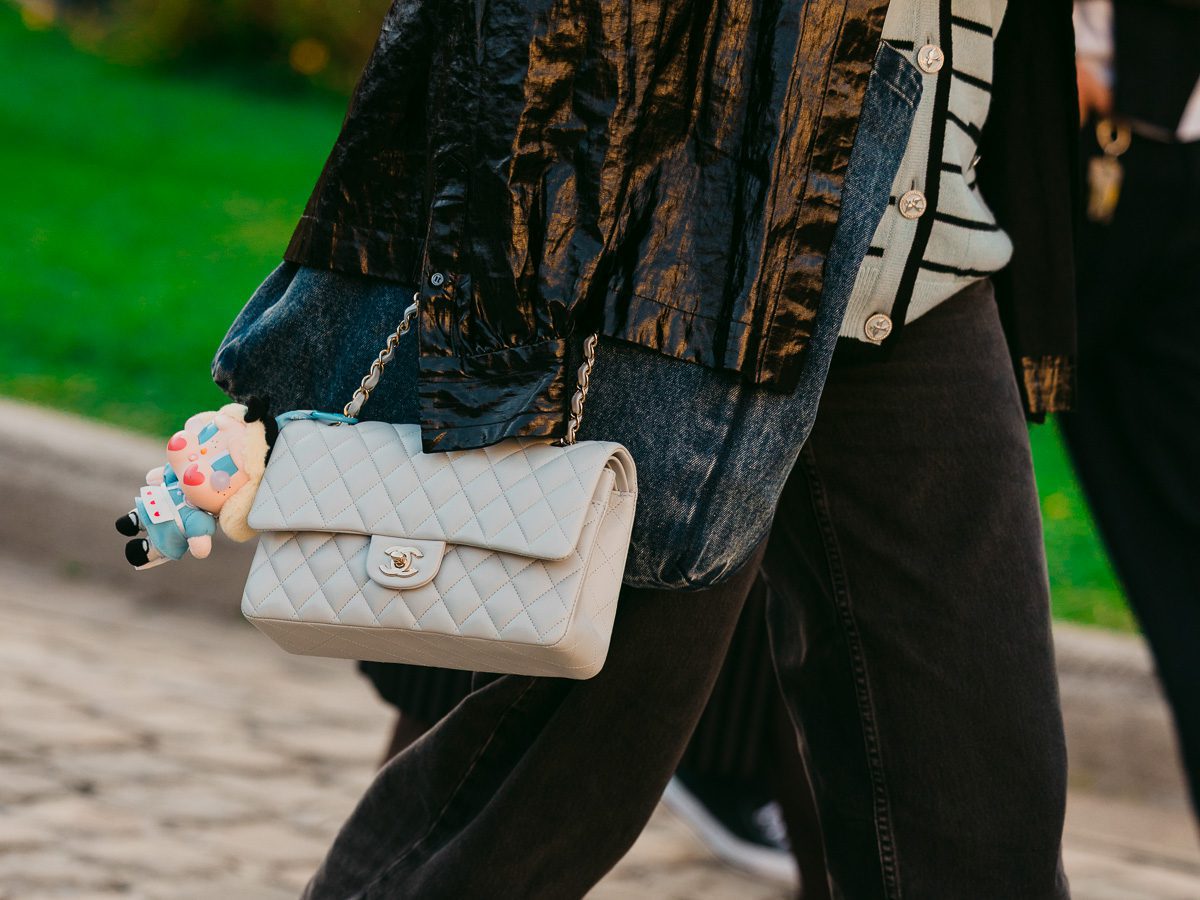
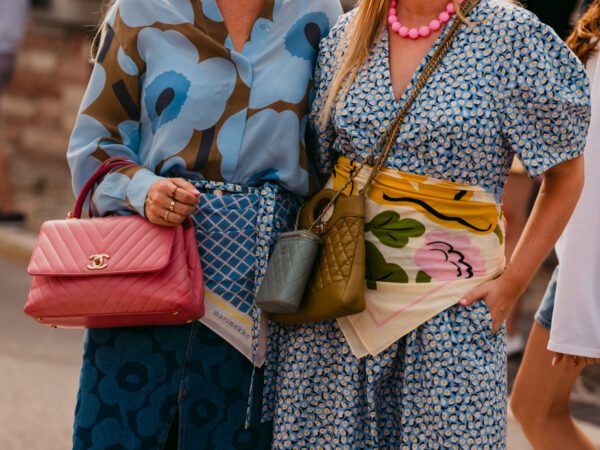
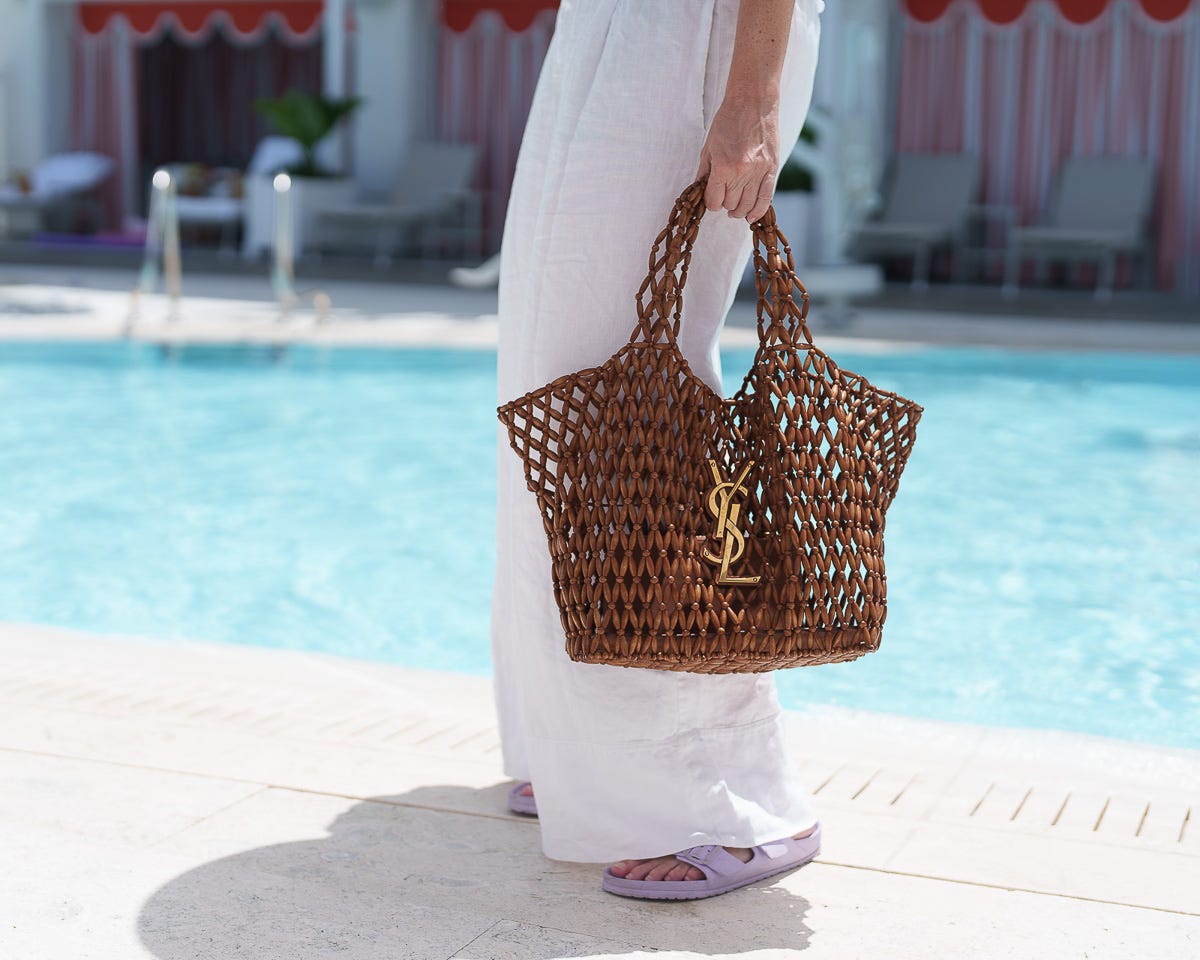
Saint Laurent’s Le 5 à 7, routinely named the most accessible entry into investment-grade luxury, starts around $1,950. Loewe’s Puzzle, the brand’s leather-craft calling card, hovers around $2,200. And the north star of bag-flation, the Chanel Classic Flap, has become its own cautionary tale: the medium flap climbed from roughly $5,800 in 2019 to about $11,300 in 2025, nearly doubling in six years while the U.S. cost of living rose by only about a quarter.
Luxury’s Entry-Level Bag Has All But Disappeared
So what does this new math mean for the person who simply wants their first nice bag? The tempting answer is that brands got greedy and buyers got priced out. But the more interesting answer, the one the data actually supports, is that the brands are no longer especially interested in courting that first-time buyer at all.
“Price hikes don’t reduce demand at the bottom, they sharpen it at the top,” says Niki McMorrough, co-founder of Affluent Audiences, a marketing agency for luxury brands. As she puts it: “Brands have basically decided who they want as direct customers.”
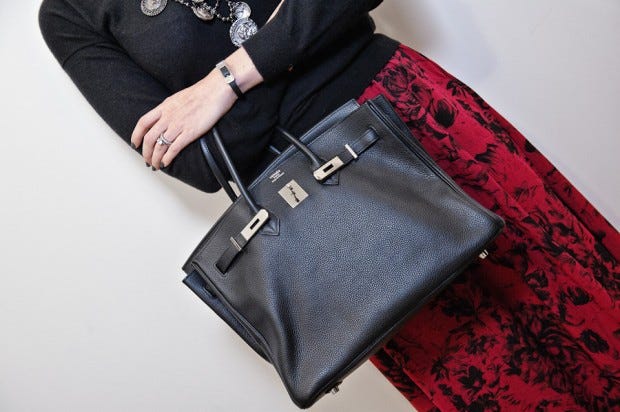
McMorrough sees a textbook Veblen effect at work: the economic principle that a thing becomes more desirable precisely because it’s expensive, scarce, and hard to obtain. The logic, she notes, predates all of us: “Hermès reselling at 138% of original value isn’t actually an outlier, it’s a playbook written in 1899 by the economist Thorstein Veblen,” she says.
Why Luxury Brands Are Focusing on Their Biggest Spenders
Restricting access and raising prices, she argues, increases the status that ownership confers, which sustains demand, which keeps resale values high, which makes the bag a “smart buy:” a self-reinforcing loop that brands like Chanel, with its 2022 move to cap certain bags at two per customer a year, have deliberately engineered. That cap is the tell: you don’t ration something you’re trying to sell to everyone.
What’s changed, in McMorrough’s telling, is that the modern luxury bag has stopped being a purely emotional purchase. “When a Chanel Flap nearly doubles in six years while U.S. wages rise around a quarter, you’re not just buying a bag, you’re buying an asset,” notes the expert. “The aspirational buyer in Atlanta is doing the same math as a hedge fund analyst, just with a different portfolio.”
She points to Hermès resale running at 138% of retail, with eight models selling above original price throughout 2025 and a mini Kelly reaching 282% of retail, figures that reframe the whole conversation. If a bag can beat the S&P 500, the sticker shock starts to read like an entry fee.
The macro numbers back up McMorrough’s “brands chose their customer” thesis with precision. According to a Bain-Altagamma luxury study, the industry’s biggest spenders, clients who drop more than €20,000 on luxury goods a year (a little less than $23,000), now account for a little more than 46% of all luxury goods spending, up from 30% in 2019. That figure isn’t about net worth, it’s about behavior: the people already spending the most are the ones the market increasingly runs on, which is exactly the customer McMorrough says brands have decided to build for. When your top tier is this concentrated, losing the first-timer in Atlanta isn’t a problem to solve.
Meanwhile, the people who used to buy that first starter bag are leaving this particular segment of the market: the luxury world shed roughly 20 million consumers in 2025, with the attrition concentrated among aspirational buyers, as repeated price increases since 2019 eroded perceived value and pushed purchase frequency down. Leather goods, the classic aspirational entry point, were among the softest categories, reflecting exactly that price sensitivity. The front door of the boutique, it turns out, has been narrowing on purpose, and the aspirational shopper has noticed… but hasn’t actually left the category.
The Resale Market Has Become the New Entry Point
Secondhand luxury grew to an estimated €50 billion in 2025, rising 4% to 6% and outpacing sales of new luxury goods. Perhaps most interesting is the fact that resale isn’t just where priced-out buyers shop, it is increasingly where everyone does their homework before spending any money.
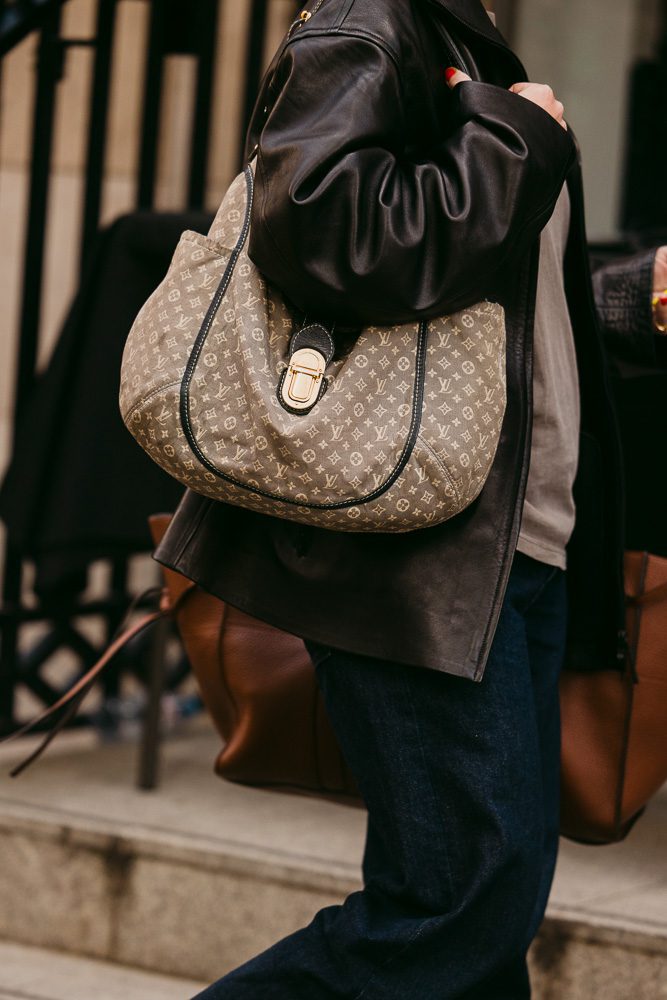
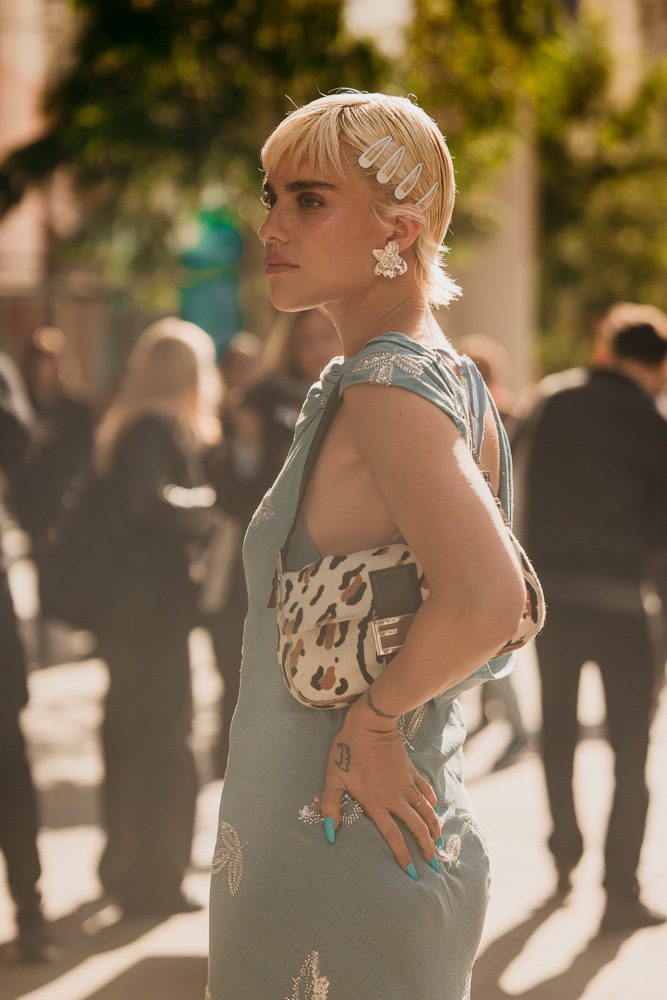
“Smart shoppers don’t just love the bag, they check the resale price before they buy,” McMorrough says. “Vestiaire and 1stDibs are free, they take five minutes and they tell you whether the piece you want is holding, rising or falling in value. This is how personal shoppers earn their fees, but it’s a smart trick available to us all.”
Then there’s also a rental market, which has become the new try-before-you-buy scenario.
Renting Designer Bags Before Buying Is Becoming the Norm
Julia O’Mara, co-founder and COO of the peer-to-peer rental app Pickle, has a front-row seat to how aspirational buyers are navigating the new prices. “We’ve seen that people are using platforms like Pickle to go and try out different styles before they make the investment,” she says. “If I can rent the Chanel bag for around $100 a day and really understand how often I’m going to wear it, figure out if I want this color and style, they turn to Pickle to almost do the try-before-they-buy and then they can think about whether they want to go invest in it.”
For trend pieces a buyer would never commit to at full price, O’Mara notes, rental lets people wear them “for 5% to 15% of retail value, so you’re saving a ton of money.”
O’Mara has also witnessed McMorrough’s asset logic firsthand, noting that Pickle may even help people justify buying: “People say, okay, I’m going to invest in this bag and make a return by lending it out so it makes it easier to think about investing in them.”
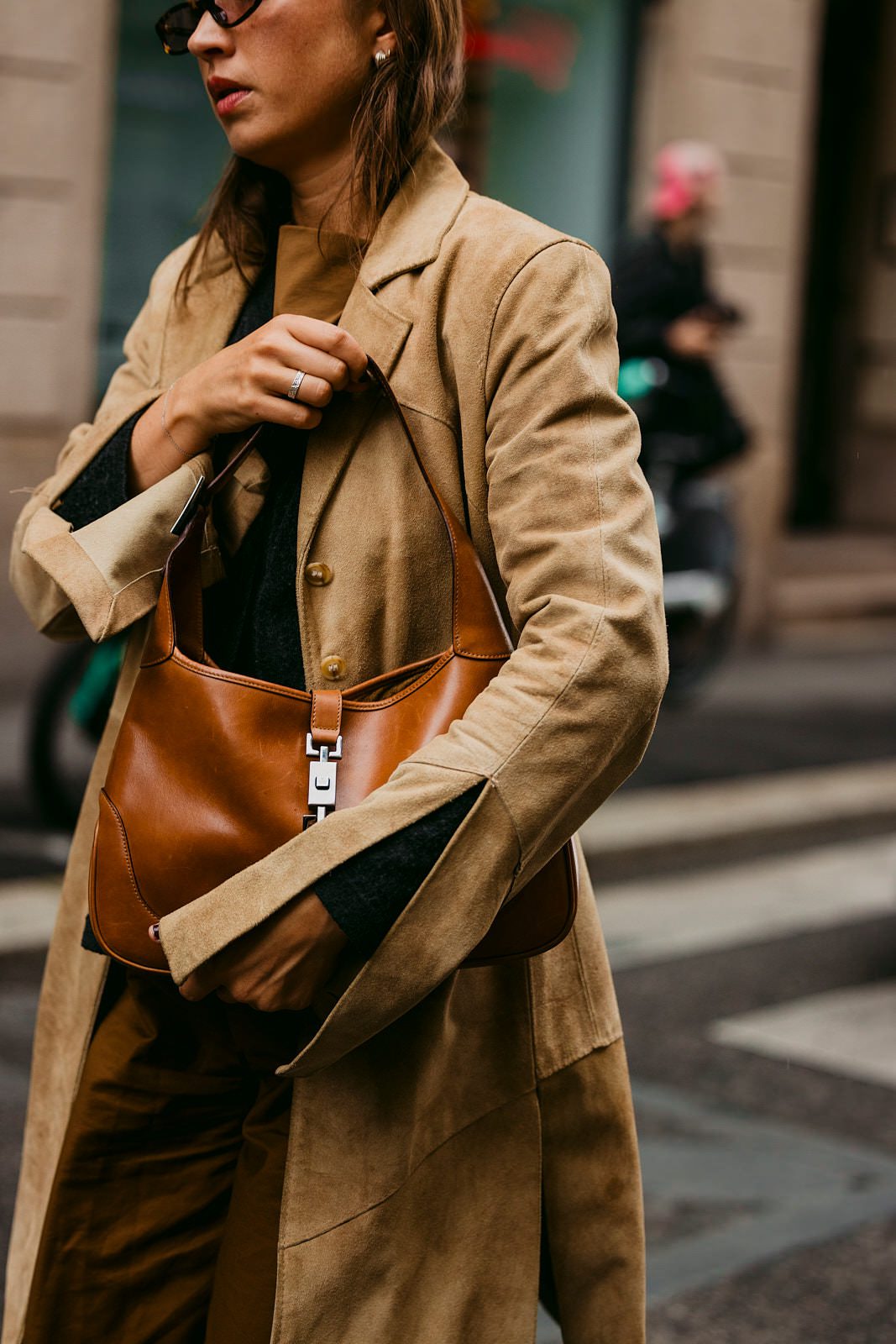
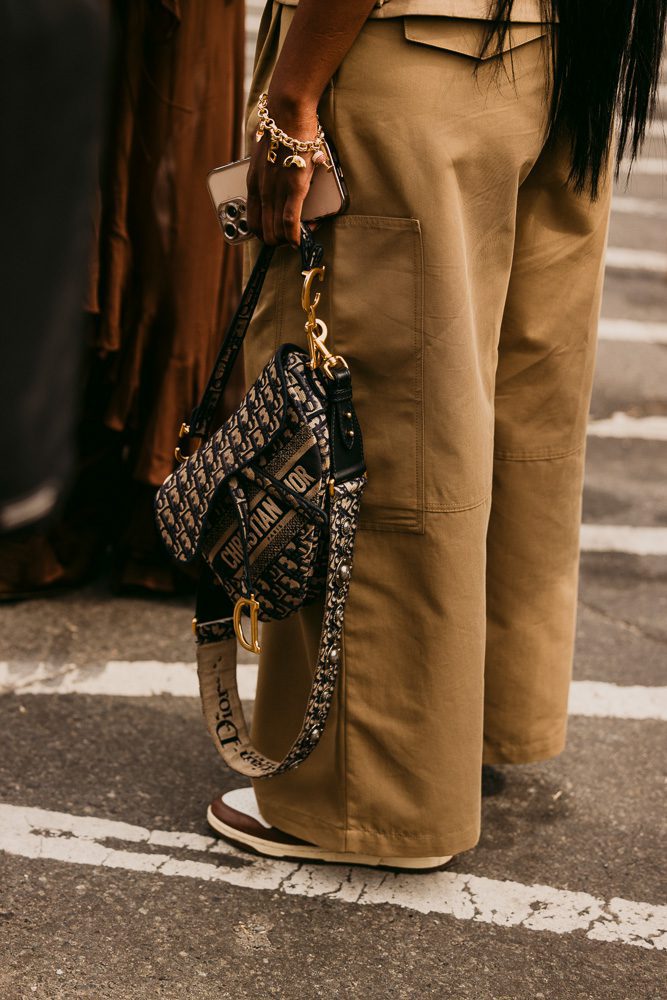
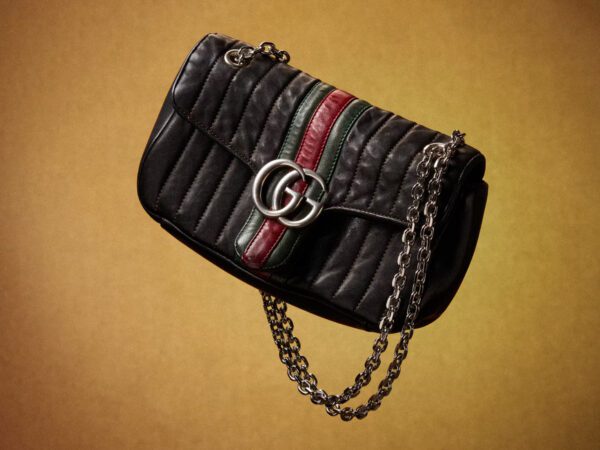
The behavior is proven by the numbers. Pickle’s data, shared directly with PurseBlog, shows heritage luxury handbag rentals up 73% year-over-year, with the number of unique renters up 80%, indicating growth is driven by new entrants to the category, not just existing renters renting more. Chanel, despite its aggressive hikes, remains the single most-rented brand, up 122%, while Hermès rentals jumped a remarkable 433%. Tellingly, many of the most-rented individual pieces are vintage: the top Chanel is a 1997–1999 crossbody from Karl Lagerfeld’s era, the top Gucci is a vintage ponyhair Jackie, the top Dior is the resurrected Saddle. The bags people most want to borrow are, in many cases, the ones brands made decades ago.
Higher Prices Have Also Changed What Shoppers Value
That nostalgia isn’t an accident, and it points to the third thing happening here: for plenty of buyers, the priced-out feeling is tangled up with a sense that the new, more expensive product actually no longer justifies the premium. Tishayla Williams, a 32-year-old longtime bag lover in Richmond, Virginia, stopped buying the big luxe styles she grew up coveting.
“I’m one of those people who grew up watching the unboxings on YouTube, so when I looked at a bag on TikTok or read reviews, what I saw across all bags is people being disappointed in the quality,” she says. “They spoke about an increase in prices but the quality went down, so it prompted me to look at smaller brands.” Hermès, she feels, still earns its price (“I’d buy a preloved one even if I had the budget for a new one”), but the broader math has a hard ceiling for her. “My max is $300 more than what I would have spent a few years ago, but when it’s $500 and up, I say I’m not paying that,” she reveals.
So she revisited Kate Spade, Michael Kors, the Longchamp totes: the accessible tier she’d once dismissed.
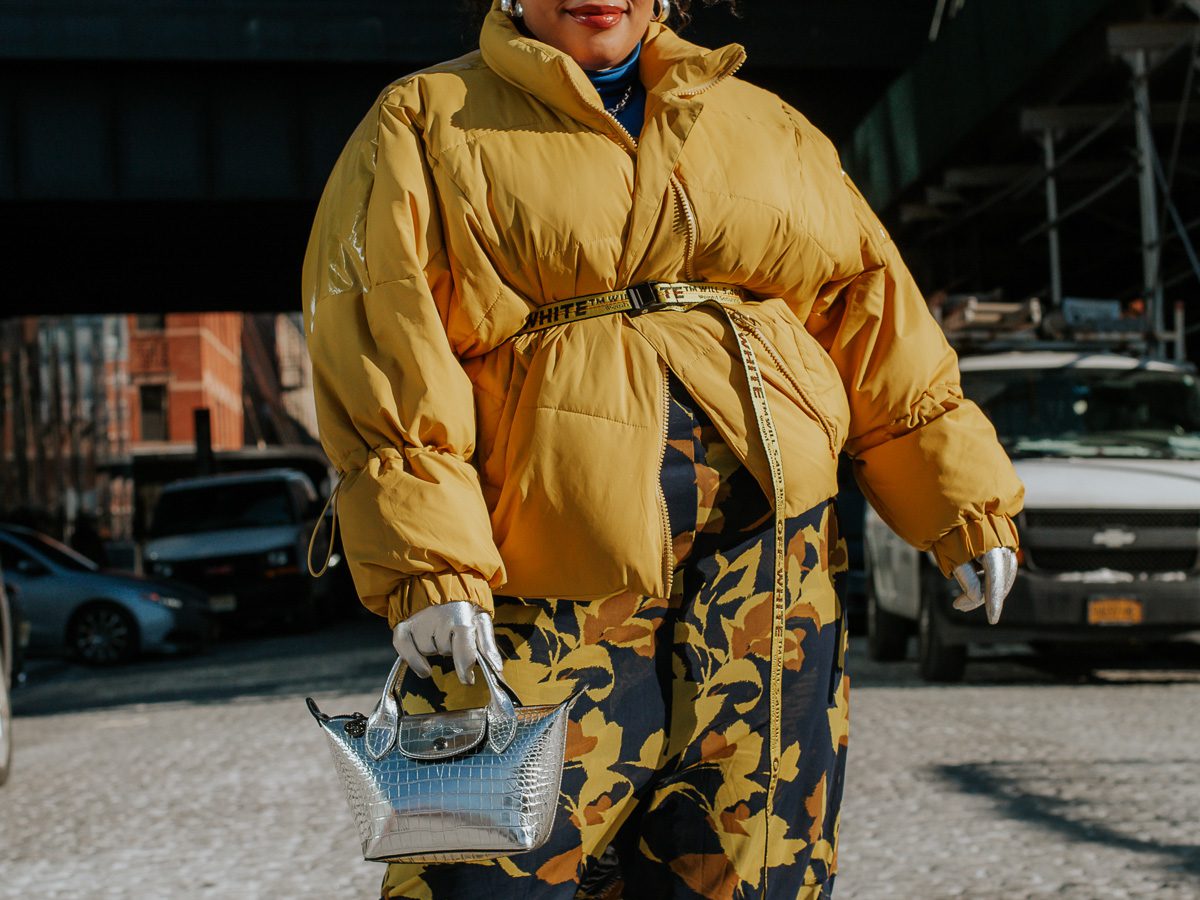
Williams also names something the statistics may miss: the way mass access drained the romance. “These bags used to be an exclusive club or a gift to yourself for graduation or if you had a baby,” she says. “Now you have access to people who say, this is how it has aged over time, here is what mine looks like so people don’t want it anymore.”
The First Luxury Bag Looks Different Today
That brings us back to the first-time buyer standing at a boutique window (or scrolling through websites in bed) doing unfamiliar math.
The starter bag hasn’t disappeared; clearly, it’s just much more expensive… or not entirely new. Today, the authenticated resale listing, the $100 weekend rental, and the contemporary-brand tote may function as that first-time luxury purchase of years past. Sure, they may not sit in our closets forever, reminding us of a specific moment in our lives, but they still deliver the cultural cachet, the outward signal that you know what’s up when it comes to luxury fashion.
McMorrough calls the whole thing a “step-storm:” social, technological, economic and political forces converging into this one trend and mode of purchasing. She projects the top 1% will drive 65% to 80% of luxury’s growth through 2027. If she’s right, the brands have made their choice about who they’re building for.
The good news for everyone else is that, for the first time, the rest of us have the same tools the analysts do. You may not be the customer Chanel is courting anymore, but you can still walk in knowing exactly what the bag is worth, which might be the most luxurious thing of all.
This is a well researched, thorough article! Enjoyed it very much! 😊
This is a great article. After buying Chanel for a few years this year I purchased a Gucci camera bag at $1850.00 for durability and it felt like a steal at $1850.00. We become conditioned. I still like my Chanel very much but I like this Gucci bag as well!
Gucci also still has a few entry level bags. My first designer bag was Gucci and it will always be my first love. I have a Gucci bag at the top of my wish list. As for Chanel, I cherish the two bags I have but do not expect to be adding more to my collection.
I agree. I have an ongoing wishlist, and the Speedy 25 has been on it for years. Even on the secondhand market, it’s quite pricey to find one in decent condition. It has floated to the bottom of my list. This was a good entry-level bag that no longer feels like it.
With the Speedy being a rather historic bag in its own right, I would not be surprised if there is a market for it purely from a vintage standpoint. For that reason I would argue it’s not an entry-level bag in the same way a Kelly bag isn’t one either (though granted the price points are vastly different between them). Would be curious to hear other people’s thoughts. I hope that you secure your dream Speedy one day as there are so many different colorways and versions and at various diffferent price points as well from what I can see online.
I have never and will never consider handbags as an investment. There are way better ways to invest money. If you love a bag, any bag, use it and enjoy it. It’s an article of clothing basically. Diamonds used to be considered an investment, and today it’s difficult to sell them because the majority of people want man-made stones. Were I buying today, I would as well. So beautiful and much bigger for a lower price point. Anyway, just my opinion.
Isn’t it funny (yet sad) how these design houses have figured out that people with money will always pay and those without will always aspire to have what they can’t afford? They understand that they don’t have to market to the entry level budget crowd, as the affluent essentially do their marketing simply by being seen and studied by those with less.
Thank you for this interesting article. I was listening to the “Let’s Get Dressed” podcast on handbags being an investment, and it alluded to the fact that handbags can be similar to art pieces in that highly-prized handbags are treated and sold in the same manner as highly-prized art. Part of me wonders how sustainable this will be, as due of the cyclical nature of fashion, people’s interests will wax and wane. For instance, jewelry has also been highly coveted and for many considered a wiser investment.
I agree that knowledge about the handbag market has become more accessible especially with social media and public information about how much bags cost secondhand. It begs the question, though, of whether the ultra-wealthy individuals actually do value obtaining new handbags when they can just as easily obtain secondhand bags for less. If they are buying secondhand as much as everyone else, then could we argue that the big-name fashion brands are really just asking for everyone’s money, regardless of what the income bracket is, because they understand the market behind their highly-prized bags? Some food for thought.