



One fine morning in first grade, an eye doctor walked in on our reading class. With reckless disregard, might I add, to the plentitude of apples we as a class had collectively consumed, that apparently, hadn’t been plentiful enough.
One by one, he summoned us to the dais, demanding that we decipher the letters looming in a distant eye-chart while he, armed with his prescription pad, kept prescribing away. By the time he was done, the pad was down to a fraction of its original size, and half the parents at PTA received official confirmation of what they’d been dreading all summer long: that their fledgling offspring had discovered the joys of television.
And that, dear reader, is how I was shackled by the lifelong malady of shortsightedness, and subsequently, ended up with my first ever pair of glasses. This round-rimmed, plastic-trimmed, purple affair (blessedly) suffered an untimely passing two weeks later at P.E.

Thus, however, also began my lifelong quest towards owning the perfect pair of glasses: from the sheer spectacle of a barely-there rimless, only Ryan Phillippe in Cruel Intentions can pull off, to heavy-set bootleg Tom Fords à la Jay-Z and Jenna Lyons, I cycled through them all. But as my grade-school vices of television and PlayStation steadily gave way to the pocket-sized panopticon of the smartphone, so did my need for optical correction.
Until the unlikeliest of contenders came into sight – albeit a few years late; I am, after all, shortsighted. This, dear reader, was Meta.
From Eyewear to Spyware
In the spectacular history of the human race, spectacles are a fairly recent invention, with their earliest known rendition tracing back to ancient Roman visionary Seneca, who was known to aid his vision (or lack thereof) by using glass bowls filled with water to read the fine print on papyrus.
At the turn of the 13th century, it is believed that friar Giordano da Pisa, “frolicked around holding a pair of glasses to his face, which is how people wore them back in the day,” writes Liana Satenstein in fond remembrance. Far from the techno-infused Lucite affairs they are today, these early silhouettes were fashioned out of “reading stones” – magnifying crystals of polished quartz, held together in place by wood, animal horn, or leather.
By the 18th century, Benjamin Franklin had already invented bifocals. As the ’90s rolled in, it wasn’t the benign padres, but instead, Kate Moss and Christy Turlington who were doing much of the frolicking, now in tiny tortoiseshell frames by Calvin Klein and Luxottica, the purveyor of luxury eyewear to Chanel, Prada, Giorgio Armani, Ray-Ban, and Oakley.
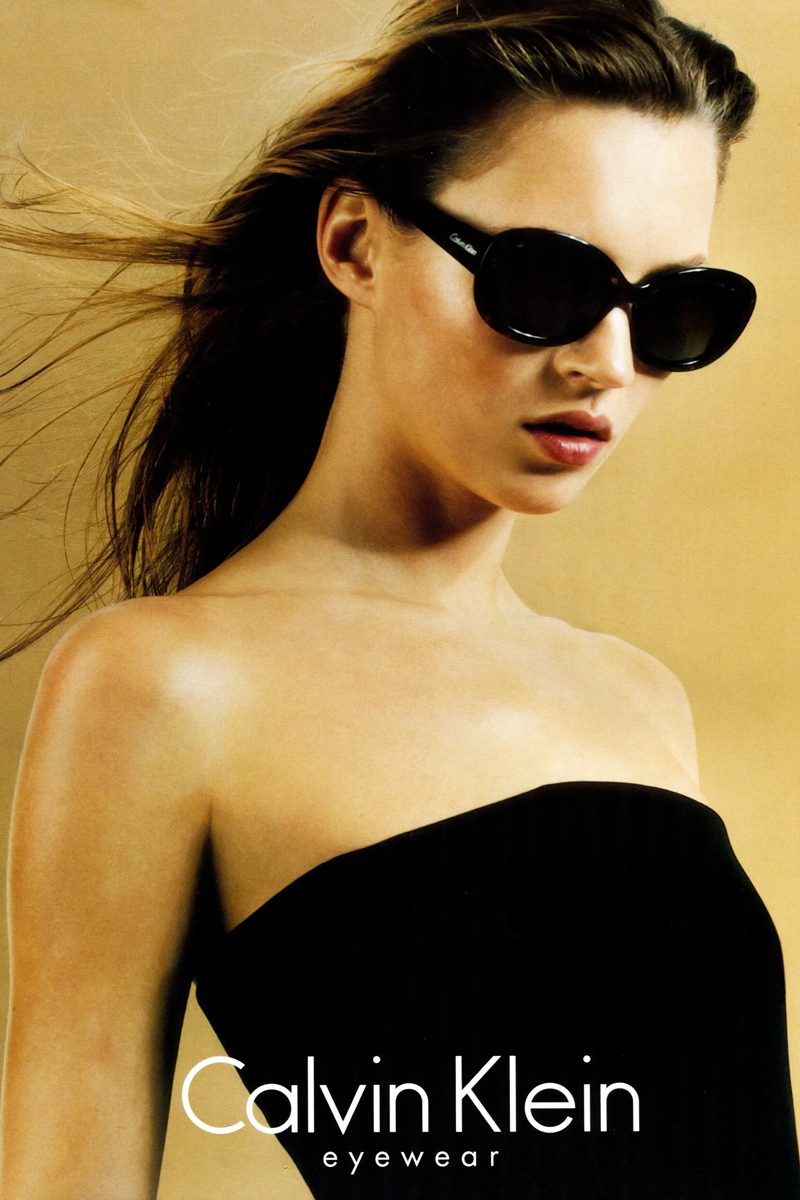
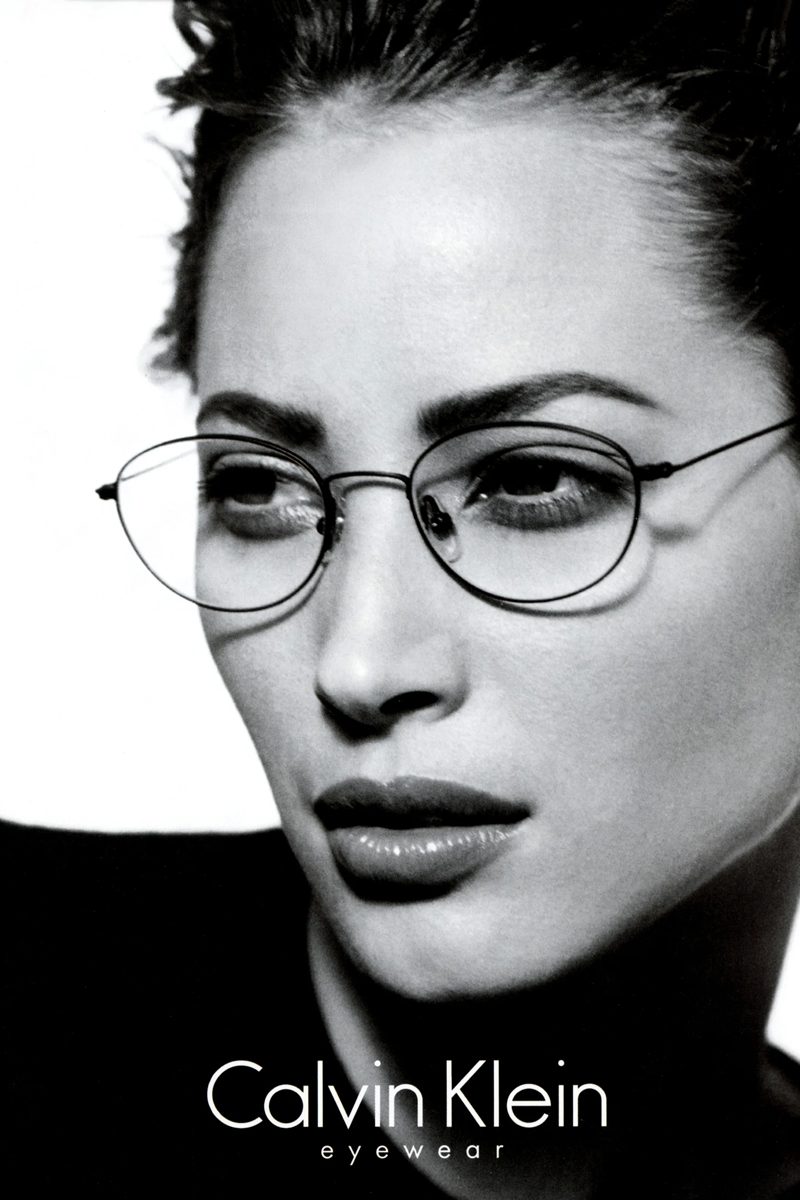
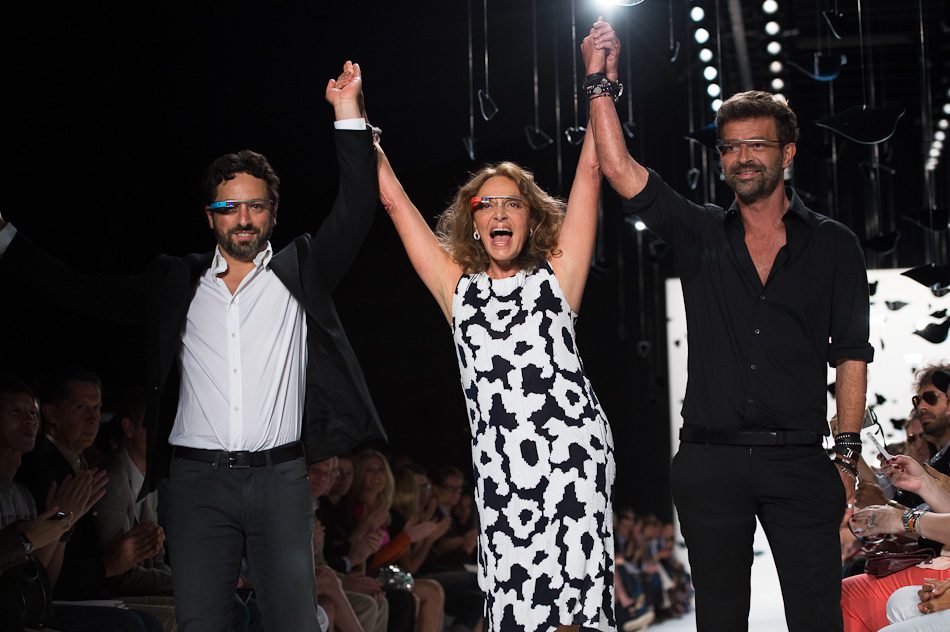
It was in 2012, however, that the centuries-long legacy of the spectacle was altered forever by the spectacle of Diane Von Furstenberg, who walked her Spring 2013 runway alongside Sergey Brin in a freakishly futuristic frame that notably featured not so much as a lens but an entire camera, right there on your face.
This, dear reader, was Google Glass. A wide-framed, Wi-Fi-enabled, wearable accessory that allowed wearers – affectionately christened “Glassholes” by the time they were discontinued in 2015 – to make calls, use apps, and most importantly, take photos and videos everywhere they went!
Exactly what our failing eyesight needed.
Eight years later, Meta, who’d been watching carefully, drew the obvious conclusion: the technology was fine. It’s the frames that were unfashionable.
The It-Girl and her It-Glasses
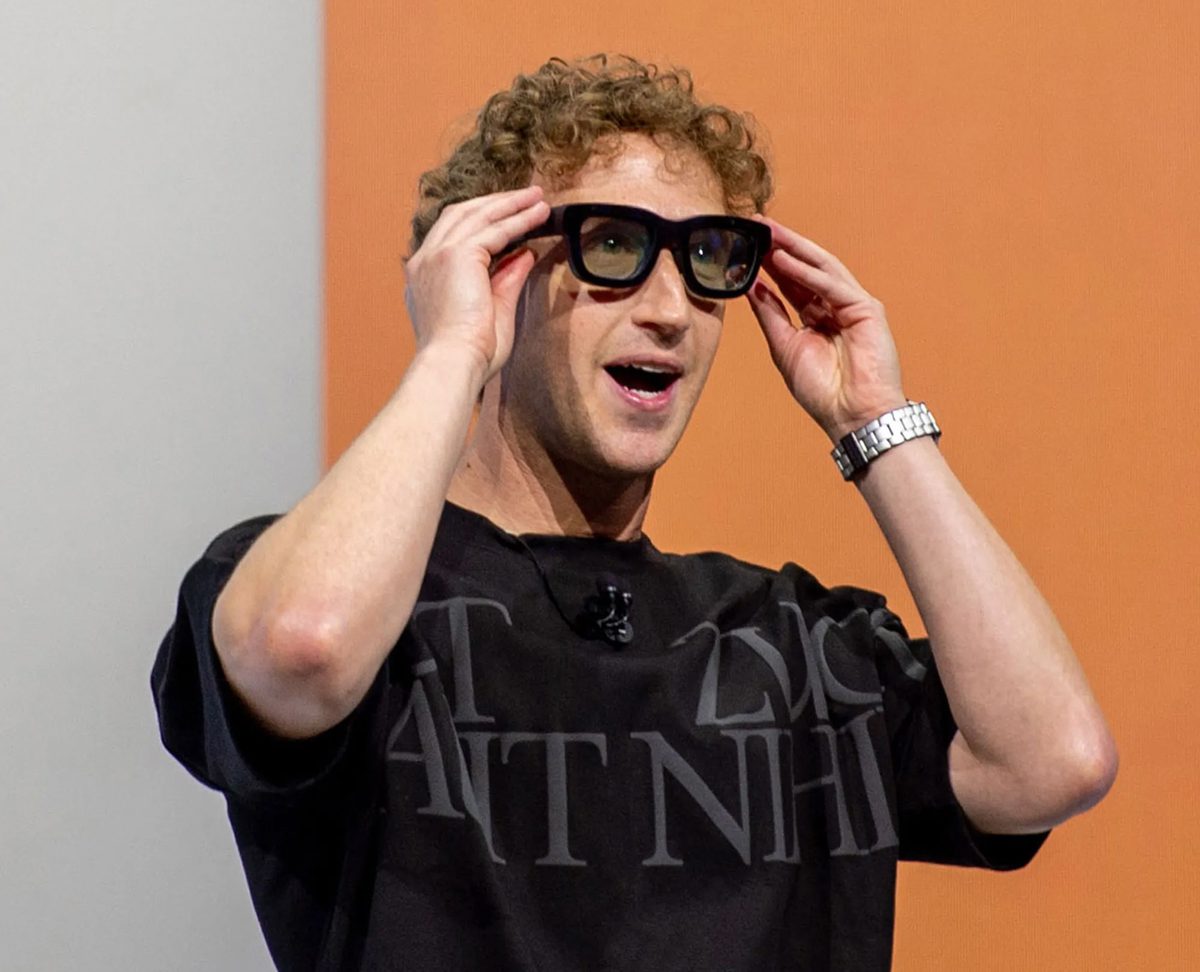
“Meta CEO Mark Zuckerberg,” reported Vogue in 2024, “has undergone a makeover: he’s grown out his hair, gotten a tan, and wears a gold chain.”
When he appeared at the annual Meta Connect event late that year, he was clad in an oversized black tee that read in all serif: “Aut Zuck Aut Nihil” (Either Zuck or Nothing). He was also wearing Ray-Bans.
But not just any Ray-Bans. The Orion – as they were dubbed – are specialized augmented reality glasses that work with a “wrist-based neural interface.” Or as we like to call it, an armband. The dramatic video unveiling at the event entailed a locked briefcase handcuffed to someone’s arm. “People are giddy and don’t want to take them off,” the CEO gleefully reported.
It was unclear whether he was referring to the glasses or the handcuffs.
The audience clapped and cheered for the new accessory, a follow-up on the one that first broke the market in 2021 with Ray-Ban Stories – camera, mic, speakers, the whole shebang – all tucked into an Audrey Hepburn-esque silhouette. A clear, measurable learning curve from the mistakes of Google Glass. Call it the revenge of the computer nerds, if you will.
Yet, even Zuckerberg’s big glow-up – and the occasional shirtless workout pic – couldn’t cultivate in him the requisite je ne sais quoi. Which is why not only did he go on to collaborate with fellow Luxottica labels Oakley and, as of last year, Prada, but, for its latest installment, Meta also launched its own house-brand glasses at $299 a pop. And Zuck went on to enlist the help of one Miss Kylie Jenner, mother, millionaire, cosmetic queen, and (former) billionaire.
Snap Specs, an equally hulking pair of AR smart glasses, similarly features Kaia Gerber on its roster, shot in the style of a fashion editorial by Steven Meisel.
The It-Girl – that most reliably bankable cultural phenomenon – has always been fashion’s most sophisticated marketing instrument. A “drugstore nugget dichotomy” is how Satenstein describes it: “Sure, we don’t have access to their star power, but we can purchase these affordable items or recreate these everyday gestures to emulate a sliver of these people we adore. Essentially, an It-Girl is a star! –They’re Just Like Us but in chic, shoppable form.”
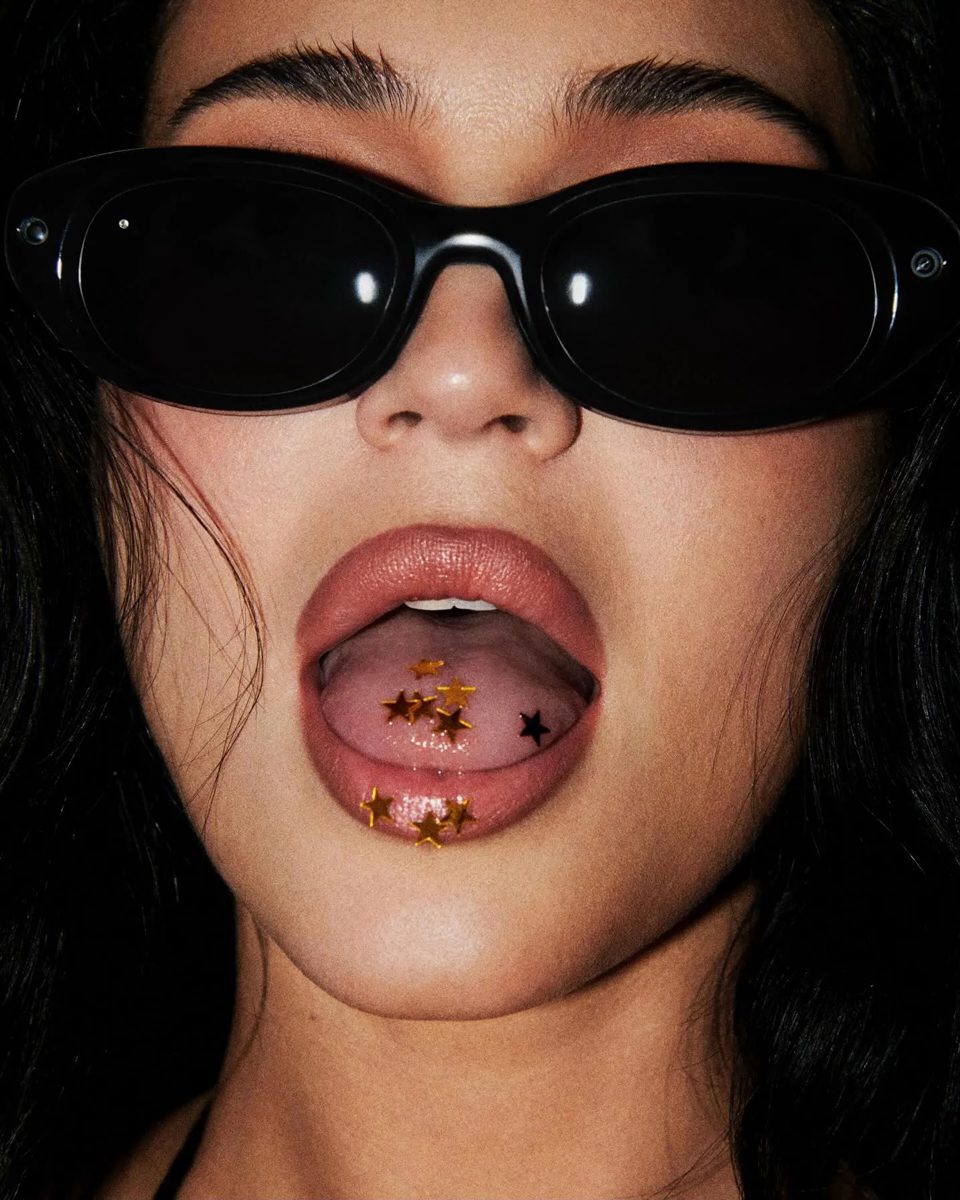

And what the It Girl touches – the it-bag, the it-Stanley Cup, and now, Jenner’s sold-out $399 Meta smart-lenses (that she idly wears by the pool at her massive LA mansion while applying cuticle oil) – turns to gold.
Eyes Wide Shut
“When I’m filming front-facing in a mirror, the Kylie glasses look a lot better,” 23-year-old lifestyle influencer Allison Oh confidently told Fast Company at the launch event for Kylie’s Meta “Starfire” Glasses (Peggy Gou was DJing).
For Oh and the several hundred other creators in the room, the aesthetics alone sufficed. The camera and constant filming? A mere afterthought.
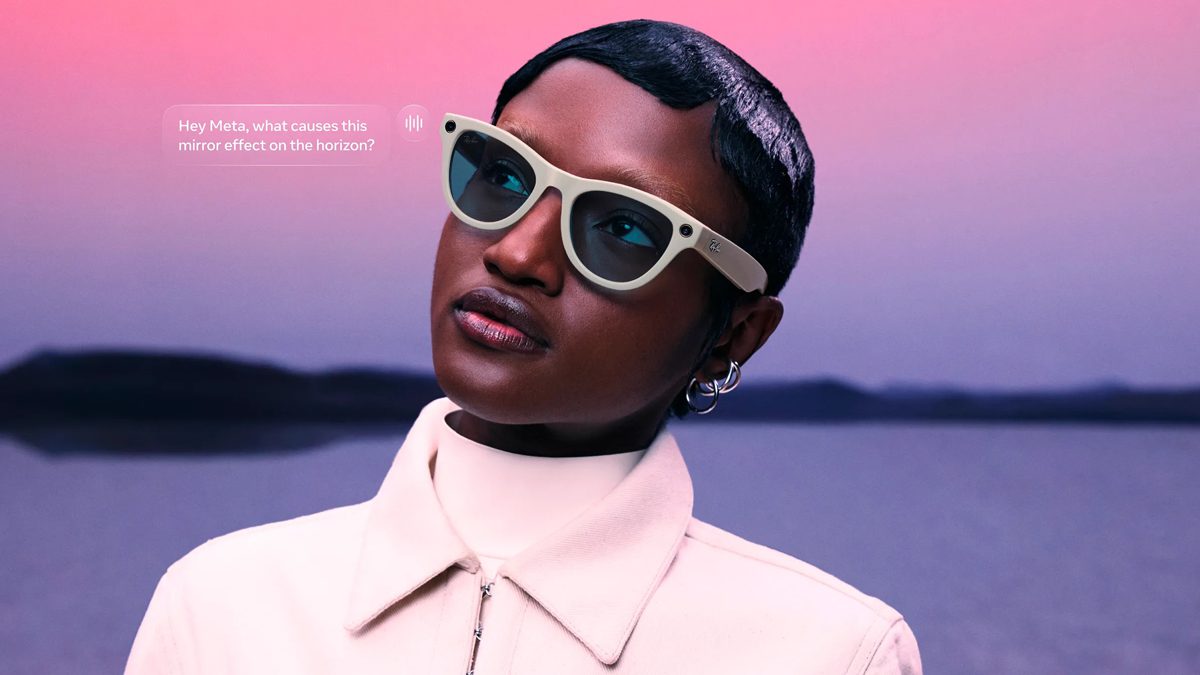
For Oonagh, however, who, after sunbathing on Brighton beach, was approached by a stranger asking for her number, politely declined, and had the entire exchange filmed against her knowledge – only for the encounter to surface on TikTok to a million views and counting, it was a nightmare.
“I had no idea it was happening to me, I didn’t consent to that being posted, I didn’t consent to being secretly filmed,” she told the BBC.
“SAY NO TO SURVEILLANCE CAPITALISM,” read a comment under Jenner’s launch. The Instagram account @everyonehateselon rebranded its tagline to “Glasses for people who don’t do consent.” And somewhere entirely off-camera, offshore contractors in Kenya – the human reviewers behind the smart glasses – are doing the actual watching: “We see everything — from living rooms to naked bodies. Meta has that type of content in its databases.”
Borrowing cultural credibility – off a heritage house, off an it-girl – is the newest trick in the tech playbook. Bella Hadid’s wired headphones back in 2019 spawned a whole movement. “Whatever the reason, Hadid’s choice for flaunting those classic wires feels strangely luxurious,” wrote Satenstein at the time. It’s the reason, Highsnobiety scathed, “why terminally swagless Mark Zuckerberg coughs up $300 for a stable of Brunello Cucinelli T-shirts.”
And it’s the reason why the Meta Smart Glasses remain sold out, despite the obvious obnoxities. Beauty – and safety – after all, is the eye of the beholder.
Zuckerberg himself came to the defense: “I think in the future, if you don’t have glasses that have AI or some way to interact with AI, I think you’re kind of similarly, probably [going to] be at a pretty significant cognitive disadvantage compared to other people and who you’re working with.”
Yet I couldn’t help but wonder: is an artificially intelligent being any better than a cognitively disadvantaged one?
Featured image via Vogue




you can always tell if this person wrote an article for the rage baiting and obnoxious titles he goes for. and never is there any content to what he writes. this is the article that will keep me from coming back to this website again 💀