

As someone who spends an almost socially unacceptable share of their waking – and on more occasions than I’d like to admit, sleeping – hours thinking about – not purses (although of course, purses too), but for our purposes today – jeans, I do believe, dear reader, that I have found my absolute holy grail pair.
They’re vintage, they’re Gap, and they’re perfect. Fashioned from the deepest indigo only the best of selvedge denim has to offer, with a quintessentially off-duty supermodel drainpipe tapering out a solid straight-leg silhouette (not to mention, a flawlessly fitted hindside that packs my otherwise dumpy derrière into something vaguely presentable), here’s a milkshake that, had I been into that kind of thing, could very well bring the boys to the yard.
And over the six months that this miraculous marvel has graced my otherwise unmarvelous existence, I’ve worn them maybe thrice. Four times, if you count that one time I almost went out the door, and then changed at the last minute.
What could be the reason behind the criminal act of owning the perfect jeans… and not wearing them, you ask? It appears, dear reader, that I just can’t get myself to wear them. They’re simply too perfect, too precious. And as is often the case with selvedge denim, too prone to fading in the face of the elements.
Eventually, I broke down and got myself a Uniqlo lookalike – almost the same shade of indigo (though not selvedge), almost the same silhouette (though less like a supermodel), and an almost perfectly-fitted seat (though with a slightly floppier flank). It’s a compromise that’s allowed me to breathe a little easier.
And as someone who’s perhaps been the staunchest opponent to babying your bags, that is indeed a most shameful admission.
The Pandemic of Pristine
“We have a… cafeteria?”
I looked on with mounting horror as Miranda – Priestly, duh – clad in a resplendently tasseled Fall 2025 Dries Van Noten jacket, strode into Elias-Clarke’s sprawling in-house eatery to face a battalion of boring finance bros in black suits – a far cry from the acid sting of her cerulean monologue two decades ago. But it was, nevertheless, also quite funny.
You see, dear reader, I’d walked into the premiere of The Devil Wears Prada 2 ready to hate it. Produced by 20th Century Studios (owned by Disney), and with over 20 official promotional partners ranging from a red-heel-accented Diet Coke to cerulean Target tees, it’s the shining beacon of the Big Sequel.
Not to mention, Disney deftly cross-promoted its other titles at every available opportunity, no matter how unrelated they might appear. Those advertising dollars matter after all, even if Miranda Priestly may not call herself the most loyal audience of the live-action Moana movie, but I digress.
Instead, what I felt myself feeling in that theater was… confusion?
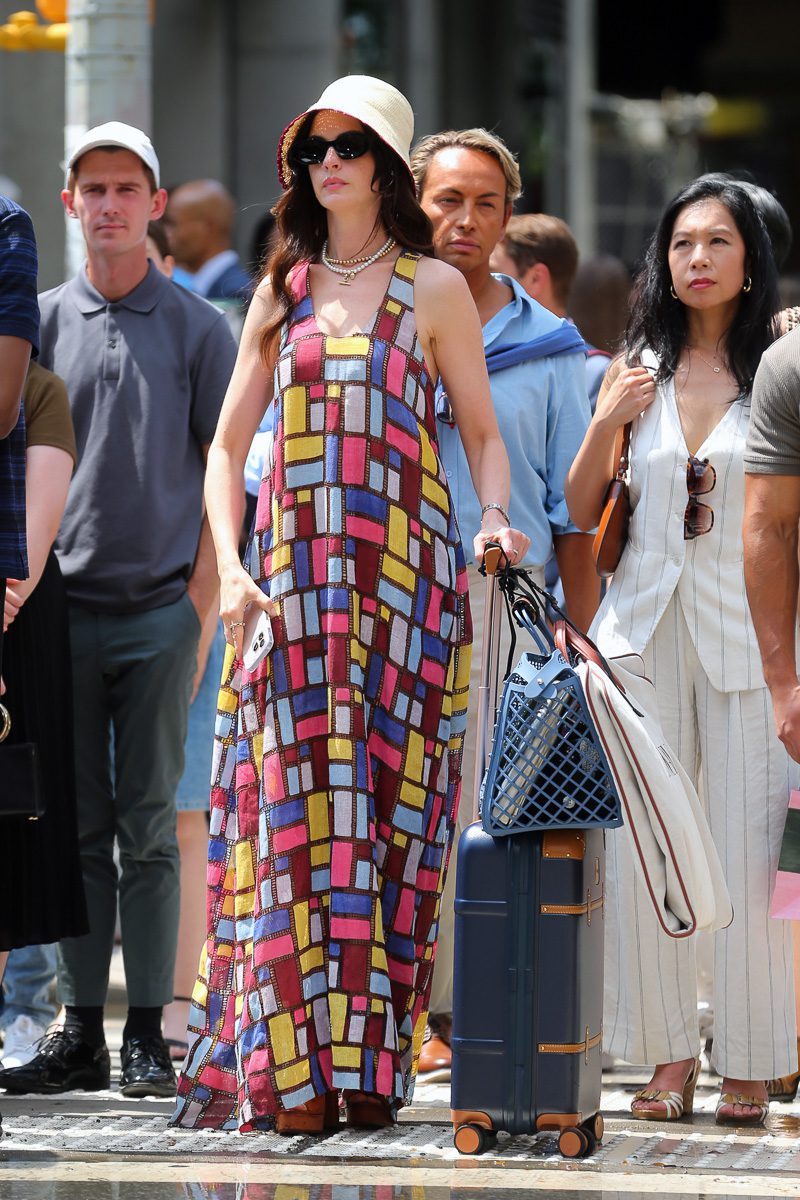
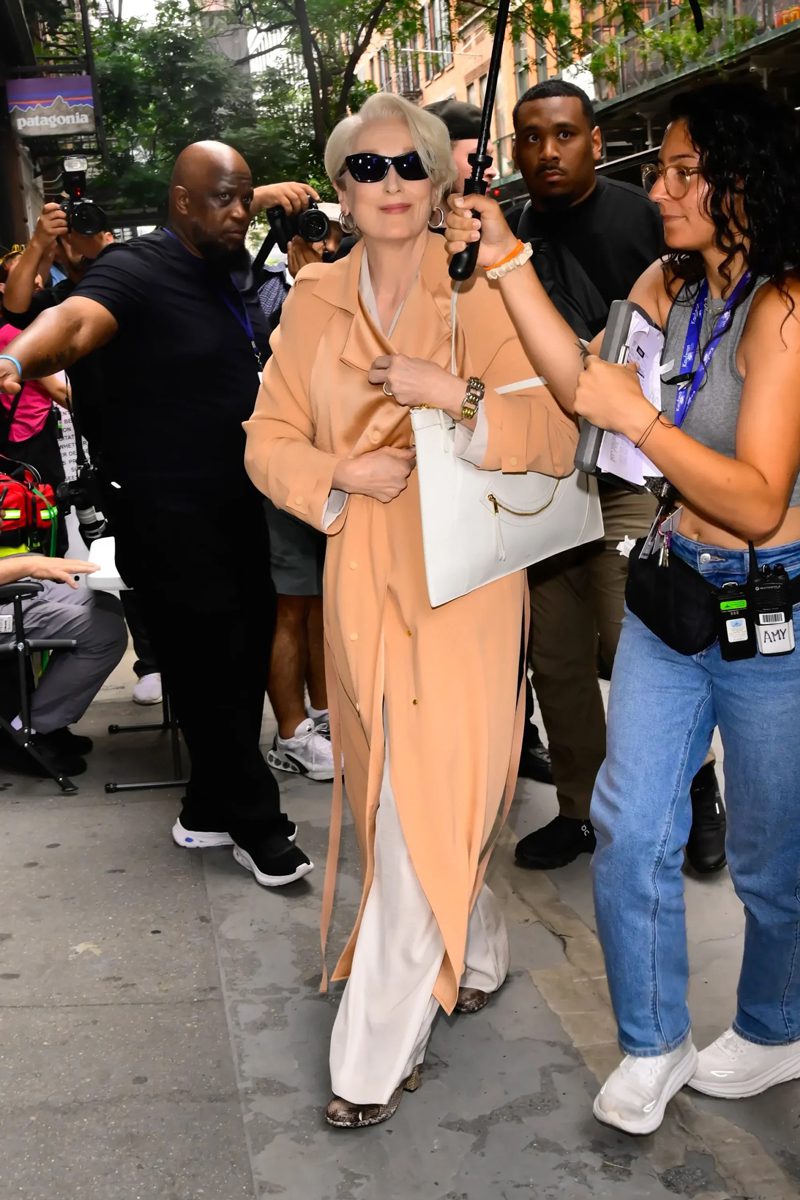
The sequel is essentially the Emily in Paris reproduction of The Devil Wears Prada. There’s a plot (as I’m sure every Emily in Paris season does) – and a rather poignant one at that. There’s cultural commentary on artificial intelligence and journalism. Andy shows up to her second interview at Runway in thrifted Margiela, manning a vintage Coach briefcase. For a second, we’re almost led to believe these characters actually wear their clothes.
Which is, of course, soon dismissed.
Halfway into the film, Nigel has outfitted Andy with new season Totême and Brunello Cuccinelli (“Luxury that’s so quiet you need an ear trumpet.”) Miranda’s Prada is replaced by a flat Luggage from Michael Rider’s Celine.
Emily crosses Lake Como in unreleased Dior newsprint. The Chanel boots moment is supposedly a $7,900 Gabriela Hearst patchwork dress from SS25.
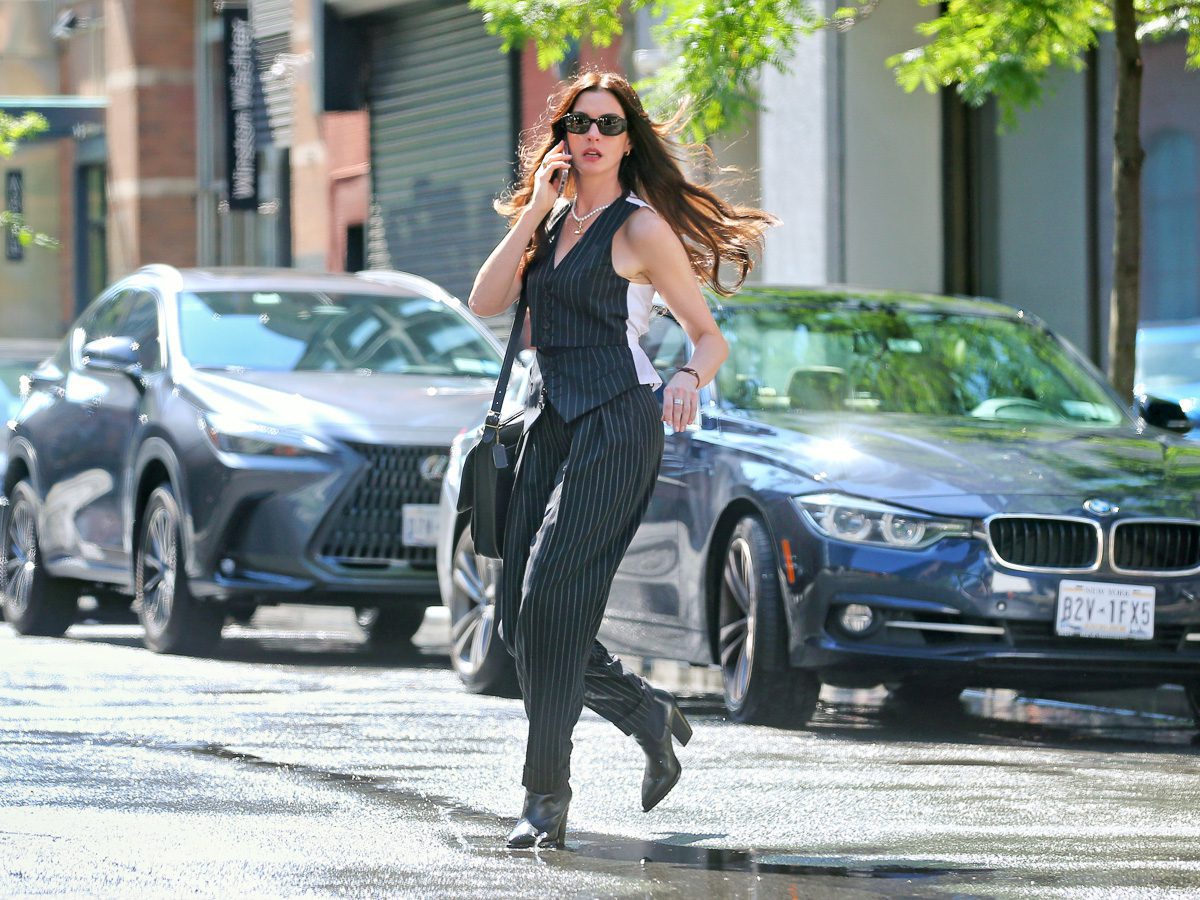
Everything is pristine, spanking new, and more likely than not, product placement. Have we lost the plot, or does the plot not matter at all?
Is the Thrill of the Hunt in the Room With Us?
But now that I’ve gotten the requisite The Devil Wears Prada 2 rant out of my system – and I like to think that I’ve shown real restraint – I must also give its creators their flowers because – paid product placement notwithstanding – the film operates on an almost meta degree, hyper-aware of the industry it operates in, while also benefitting from its various vagaries.
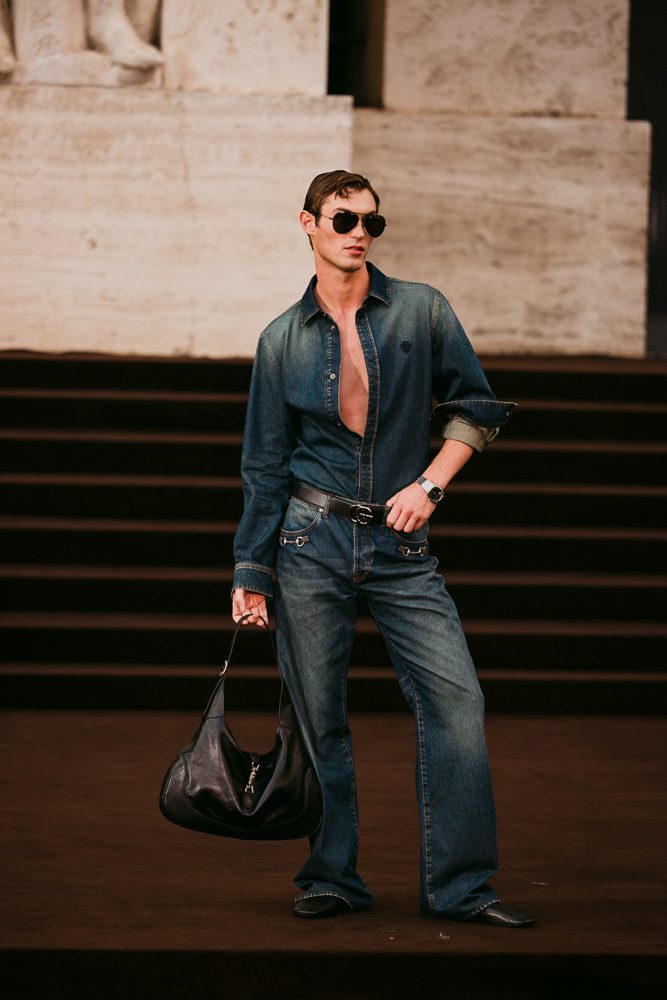
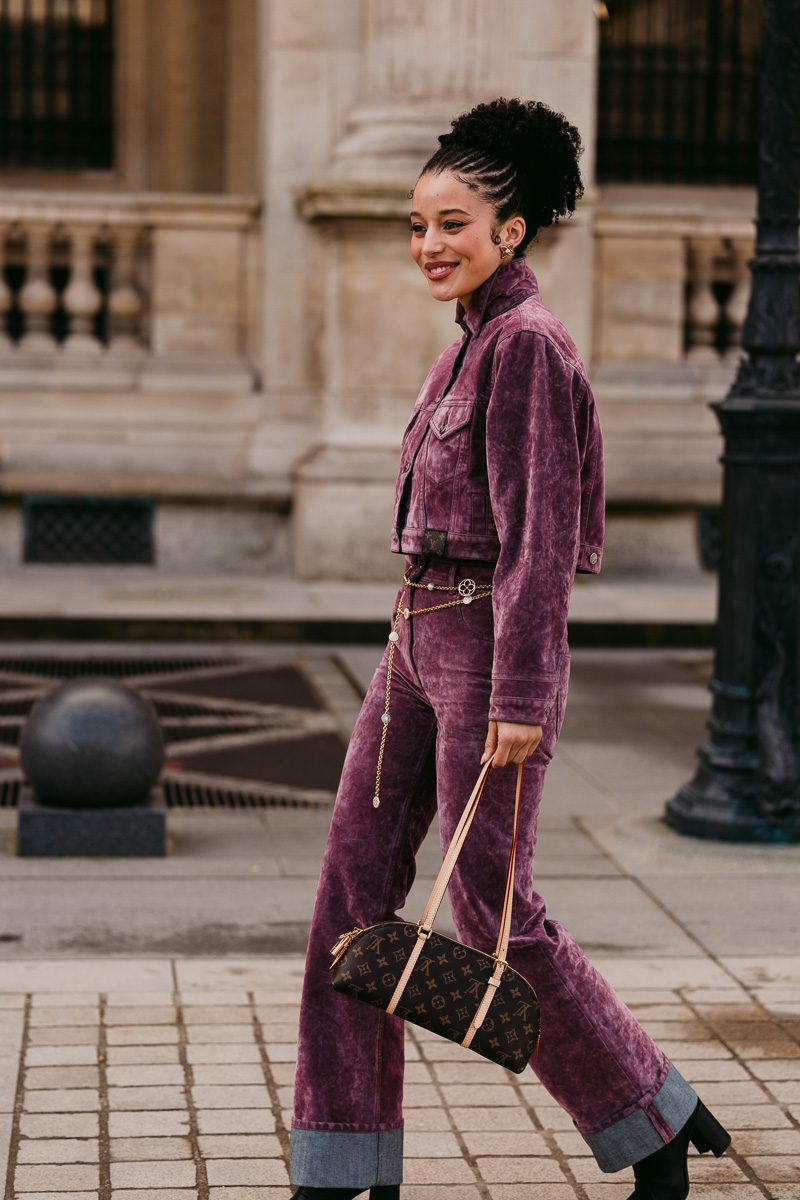
Miranda Priestly, for instance, is both on the cover of Vogue (with Anna Wintour, no less!) and also rushing to meetings “to appease an important advertiser.” Influencers are seated front row, in outfits ready to be messengered back to brands, or offloaded afterward on The RealReal. Nigel himself makes it clear to Andy that the Gabriela Hearst dress is “just a loan”.
Because what really keeps the advertisers appeased and the last piece of wood afloat next to the Titanic – an apt metaphor not just for Elias-Clarke, but for luxury in general – are the clients. Clients who buy a bag, and as soon as the receipt is printed, are thinking about what’s next. Clients who are buying not just a bag, but an admission to a brand dinner, a trunk show, a wellness retreat, or a front row seat, important places within the once-rarefied world of luxury to wear their new buys too, where they can buy all the more.
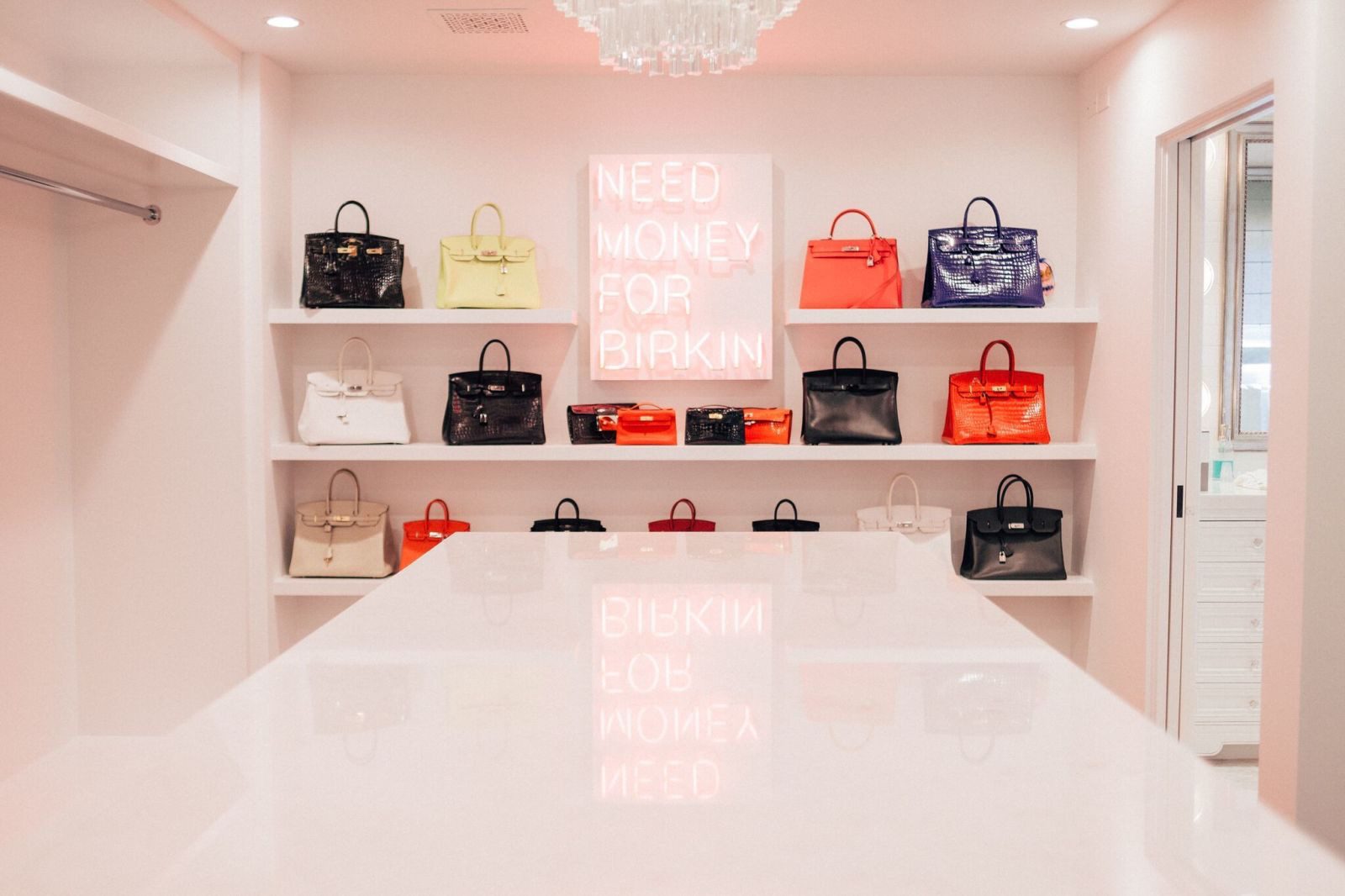
And when your pristine new purchase becomes a stepping stone for other newer, shinier purchases, they lose all meaning as the functional vessels of utility they’re designed to be. It’s that classic “grass is greener” effect, when the thrill of the hunt instantly dissipates, and you move onto your next prey.
And your new bag? Left to languish at the back of your closet.
If a Tree Falls in the Forest
But there’s also the flipside to this, and one that likely every luxury buyer has experienced at least once in their lives. You see, what nobody tells you about wanting something for years, and then finally having it, is that the moment it’s yours, you stop relating to it as an object and start relating to it as a decision.
And a bad decision at that.
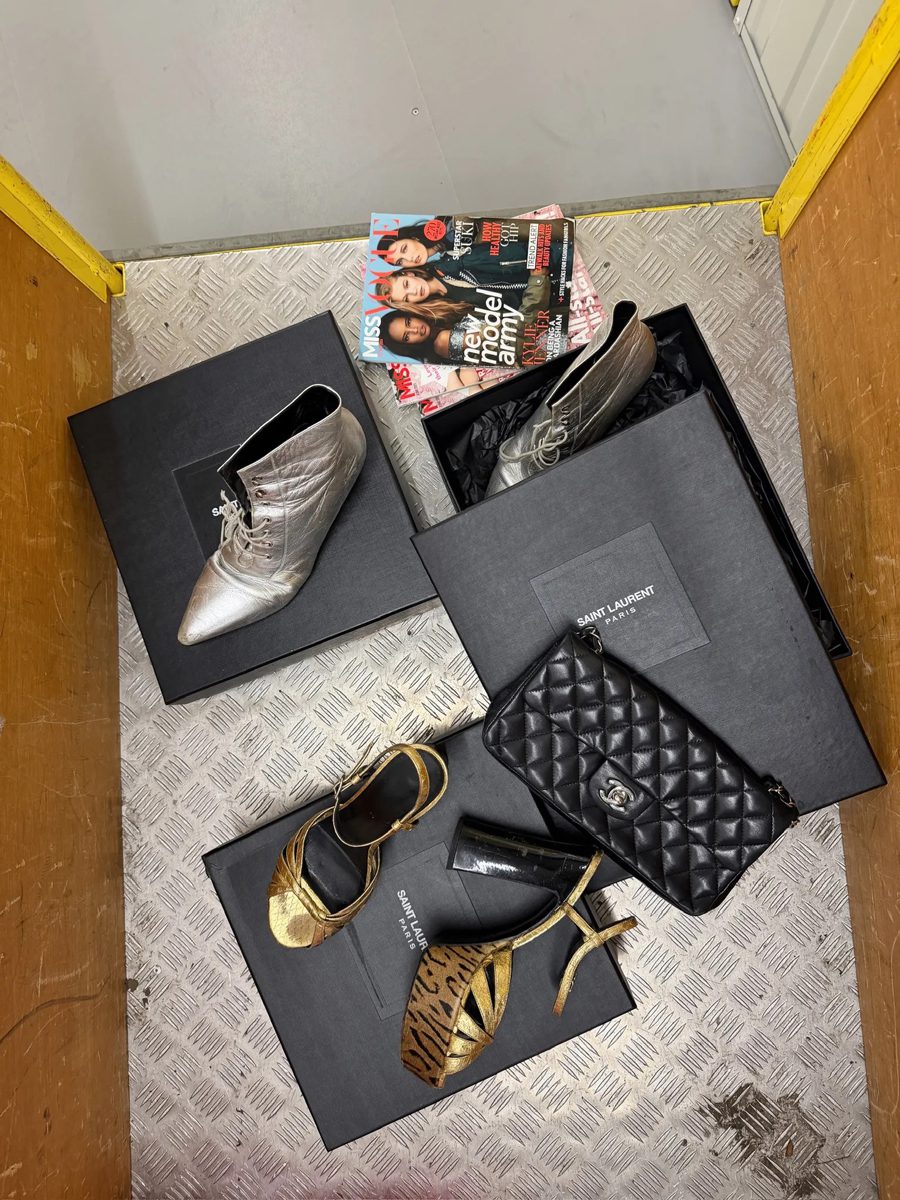
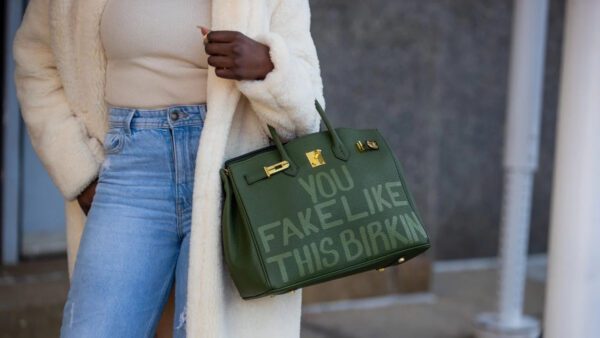
Megs describes having a full-blown panic attack the time she got her first Birkin — sweating, shaking, unable to eat — over a purchase she’d wanted for years and could, by every metric, afford. “It all felt ridiculous to me,” she wrote. And somehow, my Gap jeans feel the same, the sentence to my own judgment, a ridiculously fancy splurge on high-end selvedge denim I’m not even capable of taking care of, much less wearing.
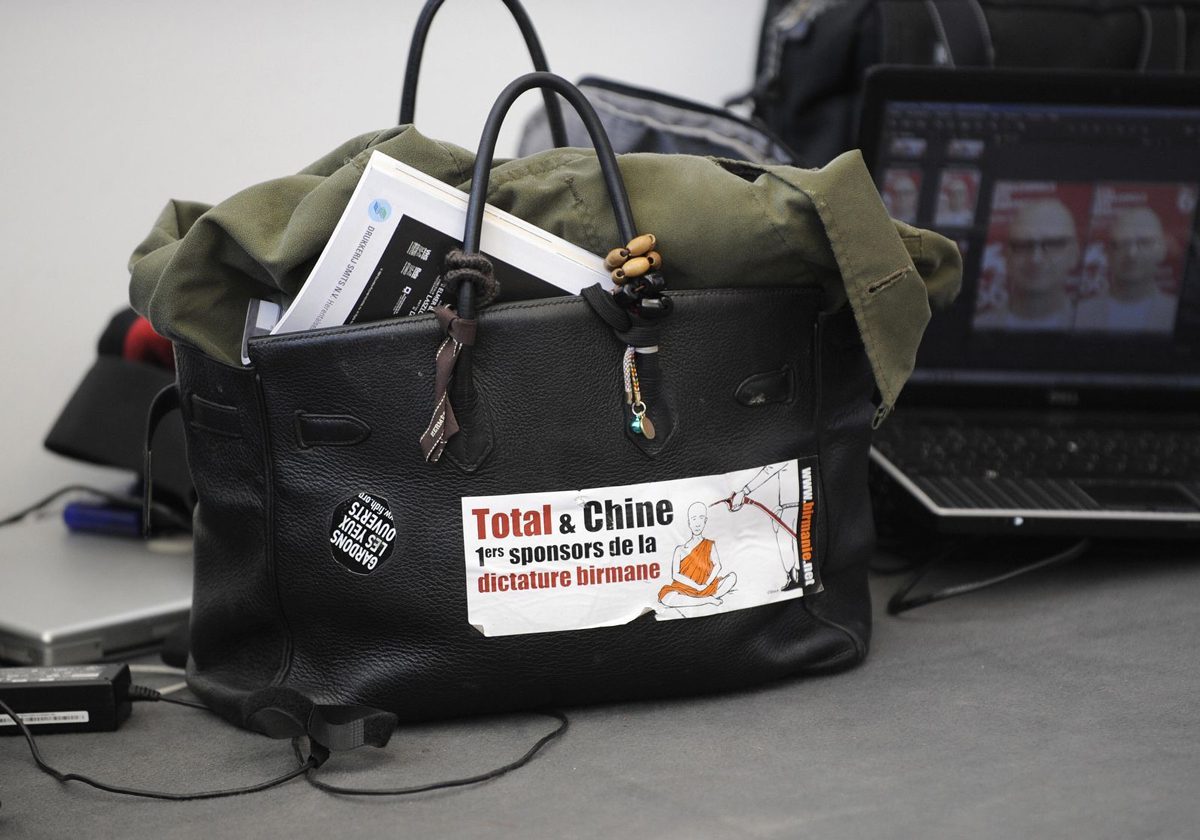
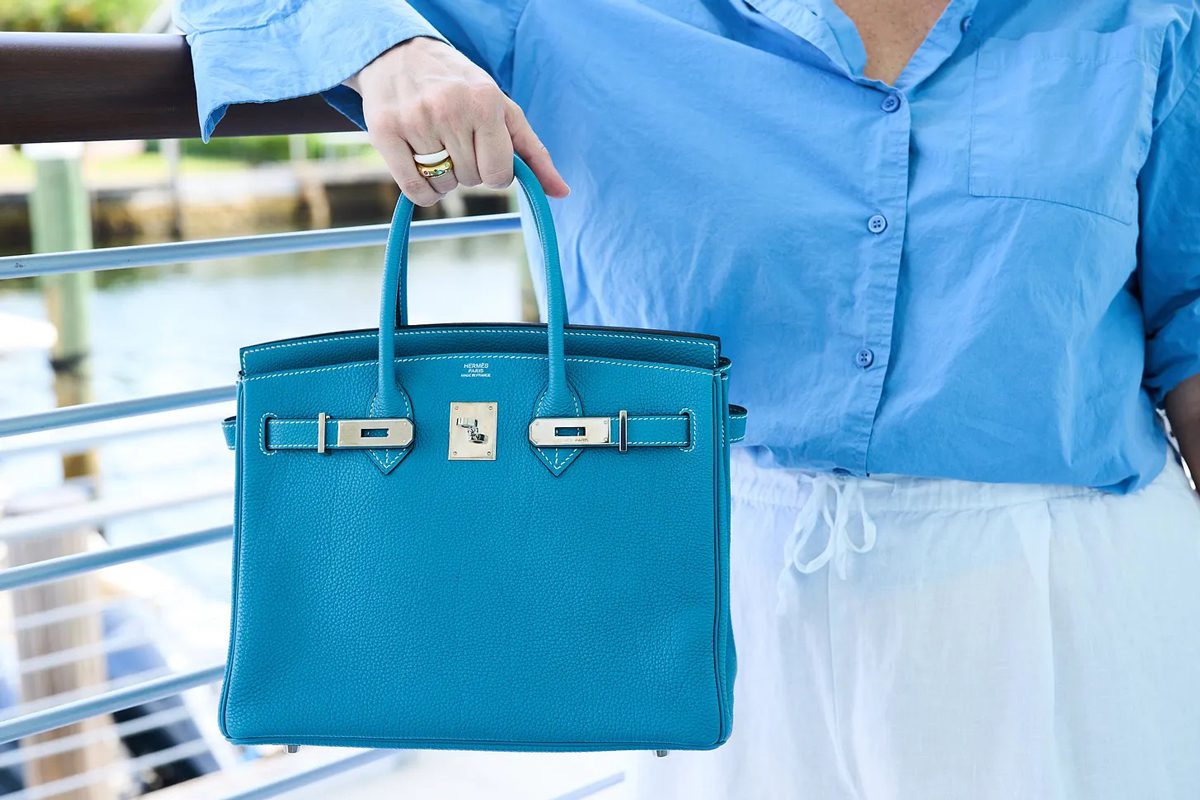
“I think deep down, there’s a small part of me that sometimes believes I’m not worthy of a bag that cost that much,” writes fashion critic Harriet Hadfield, “the young assistant makeup artist who remembers being in massive amount of debt and living paycheck to paycheck.” Vogue’s Raven Smith keeps all his bad decisions tucked away in a storage unit. “Bags, bulging with regret,” he writes, “Boxes sag under abandoned intention, the death of a thousand this-will-make-an-entrance dreams. If I’d bothered to label anything, every single box would read: ‘What were you thinking, Raven?’”
Psychologists call this the endowment effect – the maddening human tendency to value something more simply because we own it, to the point where somehow scuffing, soiling, or sullying it – and by extension, carrying it – starts to feel like a small bereavement. Others call it buyer’s remorse. Shopper’s guilt. Special item syndrome. Items – jeans, bag, dresses – that are so special, they start feeling like, as Nigel insists, “just a loan”. Things that we’ve lusted after and wanted the most – and eventually, trust ourselves with the least.
But as the old adage goes, if a tree falls in the forest and there’s nobody around, does it even make a sound? If you have a great pair of jeans but aren’t sitting, moving, sweating, or feeling buzzed and beautiful in them, does it really have any value? After all, it’s us that makes our things precious; otherwise, it’s just a pile of stuff, isn’t it?
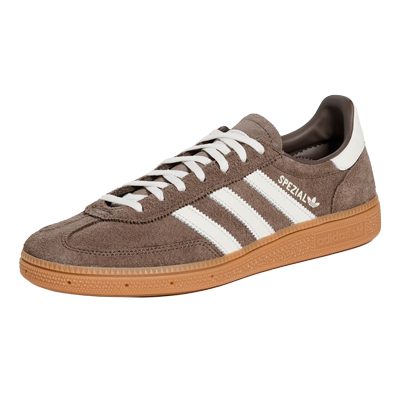
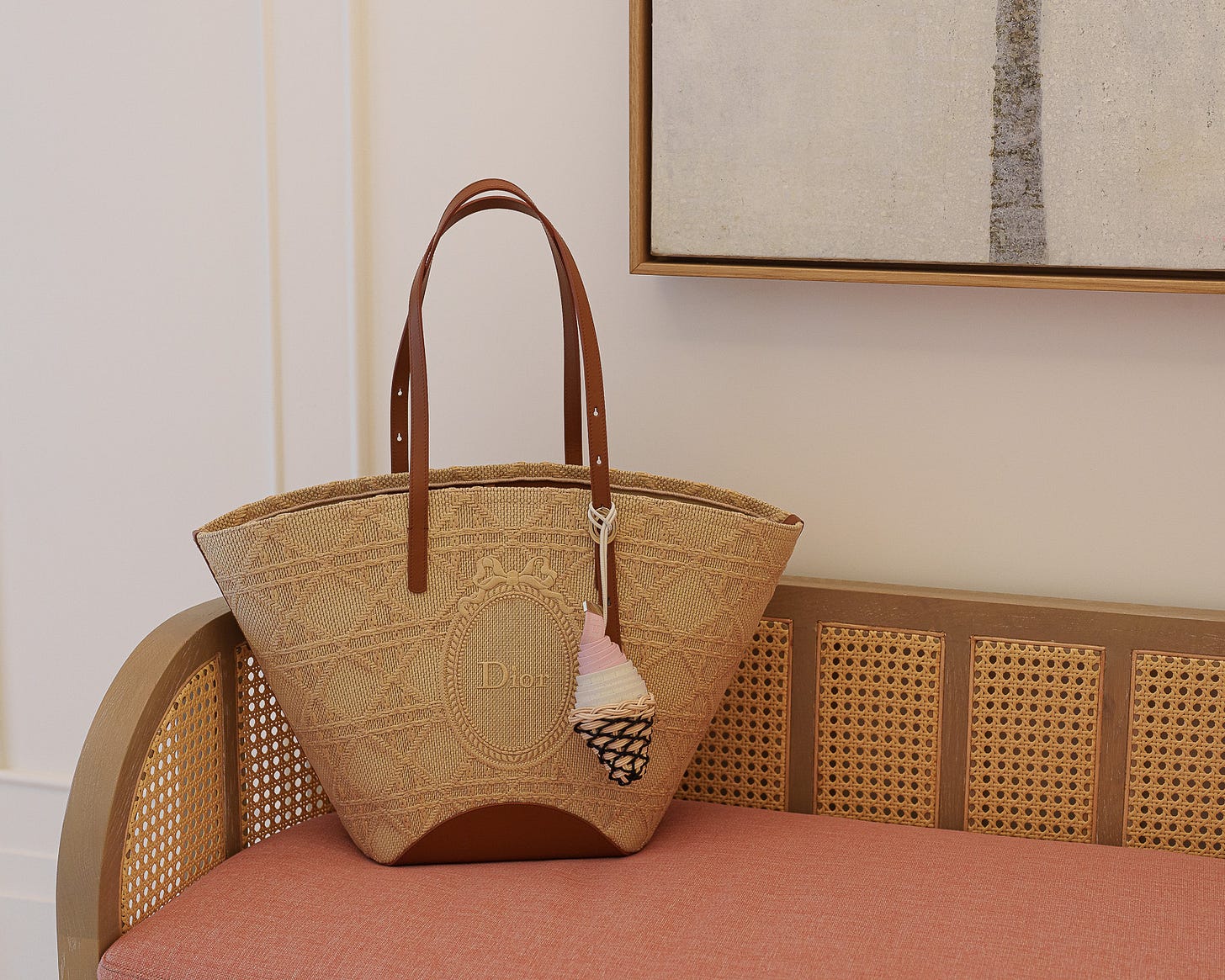

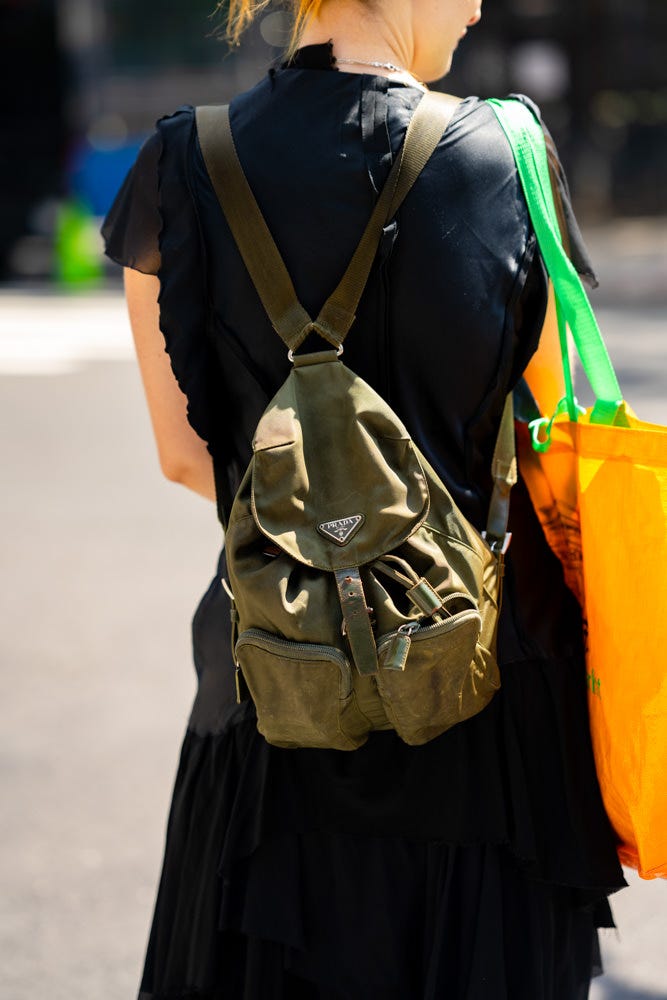
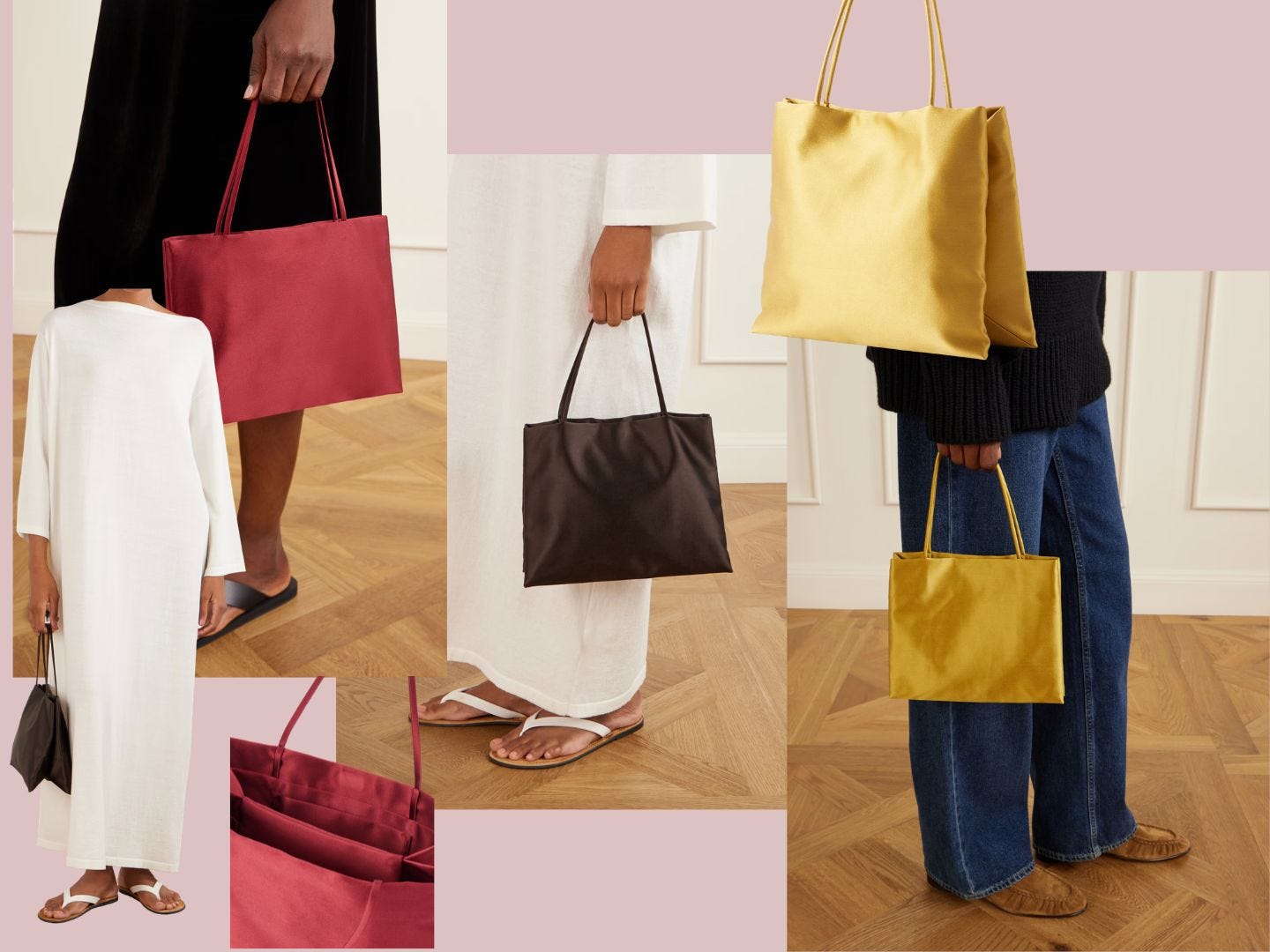
fun read! wear the jeans!
I love to see people with bags that have clearly been used. I like Louis Vuitton bag with darkened vachetta leather, a beat up Kelly, etc. It shows that people enjoy their things! It’s all meant to be used and abused in real life. No point in keeping things pristine on a shelf imho.
I agree! My Alma is my work horse bag. She has had snacks and toys, files, umbrella, an extra change of clothes. She does it all and I’m not afraid to put her on a plane floor because her leather is up for anything now lol
Absolutely have this problem with some pricer purchases, only partially because I’m worried about damaging expensive items but more because I worry about looking ostentatious in casual settings. But then it feels dumb to have spent money on things that sit in storage bins in the closet. Ironically the designer items that get worn most are the casual shoes – sneakers, flat sandals, etc.
Price range aside, all bags are meant to be adventured, not the shelf. Wear them all!
The only bag that I’m careful with is my lizard Dior Double Saddle bag. If I had known how delicate lizard was, I would not have bought it. Other than that, I use everything I buy. Nothing is too precious or special.
I completely agree with this article. I used to baby my Hermès Birkin, but then I realized bags are meant to be worn and enjoyed. Now I take it out all the time, and the slight wear actually gives it character!
I’m at an age that ´if not now, when?´I try and wear ‘good’ clothes every day. And next time I find a truly brilliant pair of jeans I will buy two pairs for when the first wears out – insurance. On the DWP2, I noticed that when Miranda interviews the billionaire she takes an old Céline mini belt bag in taupe. My heart sang! It was interesting that she chose a Philo bag for that interview/scene. Mostly she was shown with new season bags. I loved that hommage to Philo – the female creative director that designed bags for the intelligent working woman!
In my sixties I now realise that this is it. A real cliche but so true, life is not a dress rehearsal. Wear the damned jeans and the bloody bags and enjoy!!