
Let’s play a game.
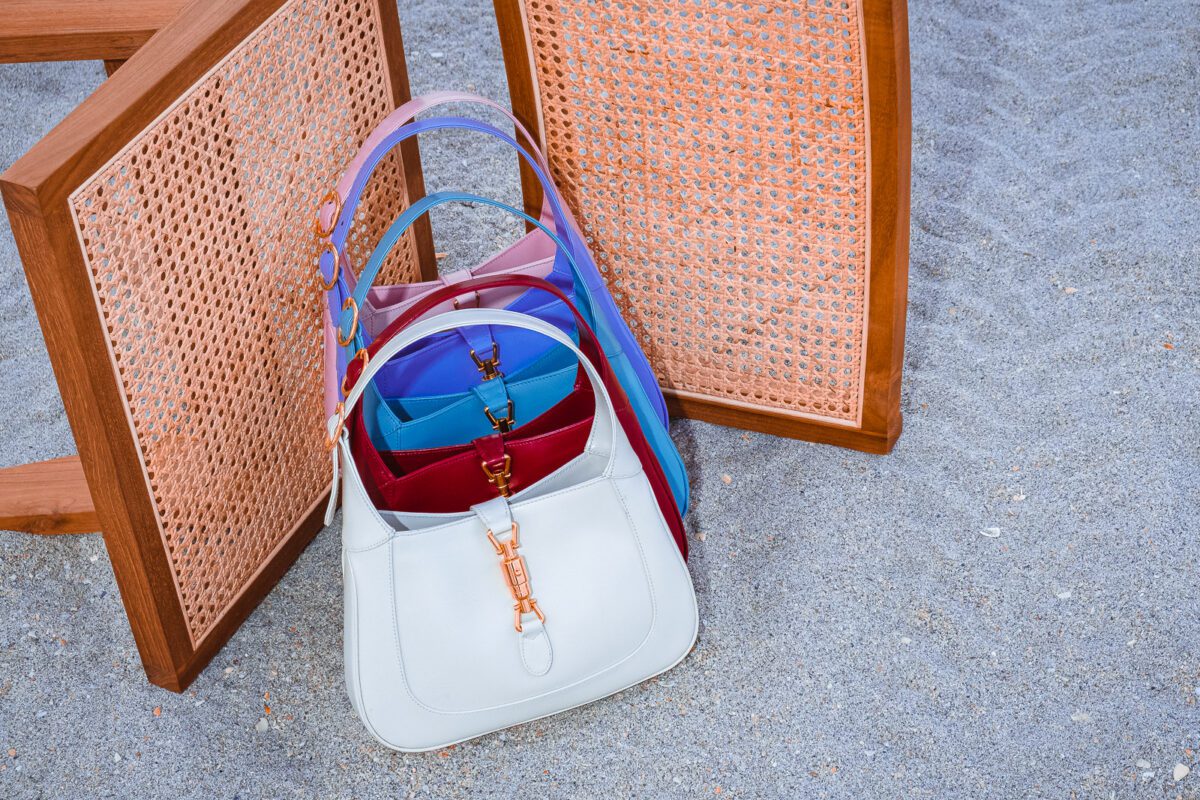
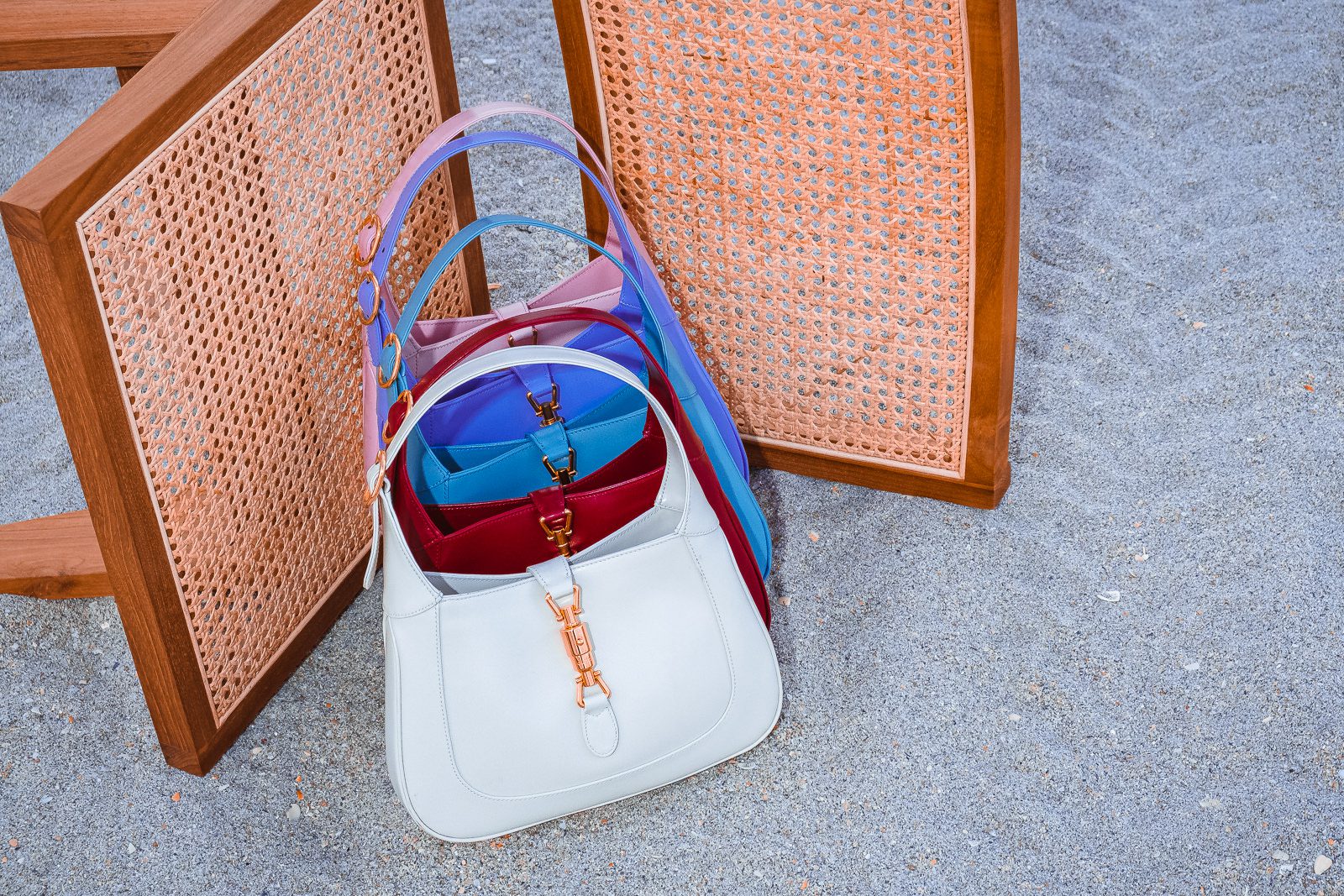
Think about your bag collection and answer honestly: do you own the same bag more than once? Not two similar silhouettes, not a pair of bags “in the same family,” but the exact same style in a different color, size or, perhaps, leather.
If you just nodded, congratulations: you belong to a group of people that might seem a little irrational from the outside but whose behavior is actually surprisingly easy to explain.
“Repeatedly purchasing a product that is both comfortable and provides a level of novel design experience allows the consumer to enjoy familiarity in knowing what they have purchased but still get the sense that their repeated purchases are providing them with something “new,” explains Dr. Max Doshay, a licensed clinical psychologist. “[The] product could also be viewed as being part of one’s identity, it reinforces consistency.”
And if the psychology doesn’t convince you—and not that you need anyone’s permission to buy what you love—we also spoke with several collectors who proudly own the same bag more than once. Unsurprisingly, none of them see those purchases as duplicates.
It’s Never Really the “Same” Bag
David Ratmoko, founder of Metro Models in Zurich, has spent fifteen years running an international modeling agency, keeping him close to some of the world’s biggest fashion houses. His own Hermès Kelly collection, however, began for much more personal reasons.
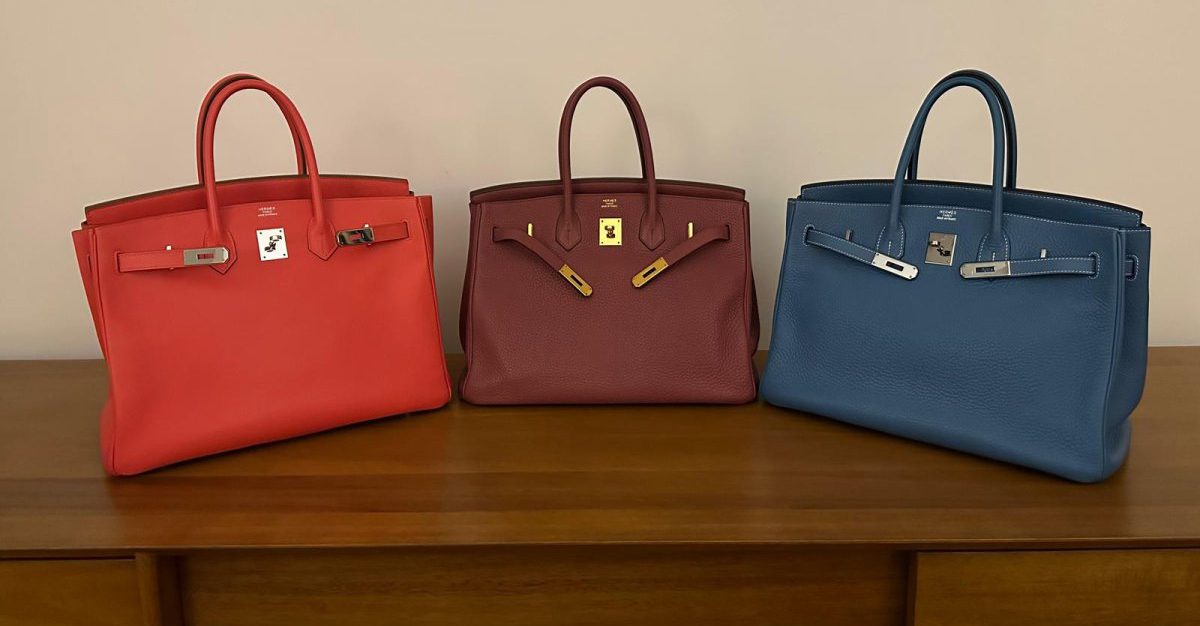
Today, he owns three Kellys—a black Box Calf, a Gold Togo and an Etoupe—and insists each one came into his life for an entirely different reason.
“It seems like a lot to purchase the same bag three times, but the Kelly is never the same bag twice,” he told me. “I have three and each one was a totally different decision.”
The black Box Calf came first, purchased with a very specific purpose.
“I wanted something to use for client meetings and shoots where the bag had to communicate seriousness before I even opened my mouth,” he said. “Box calf does that: it’s organized, formal and retains its form in a way togo never does.”
Roughly two years later came the Gold Togo.
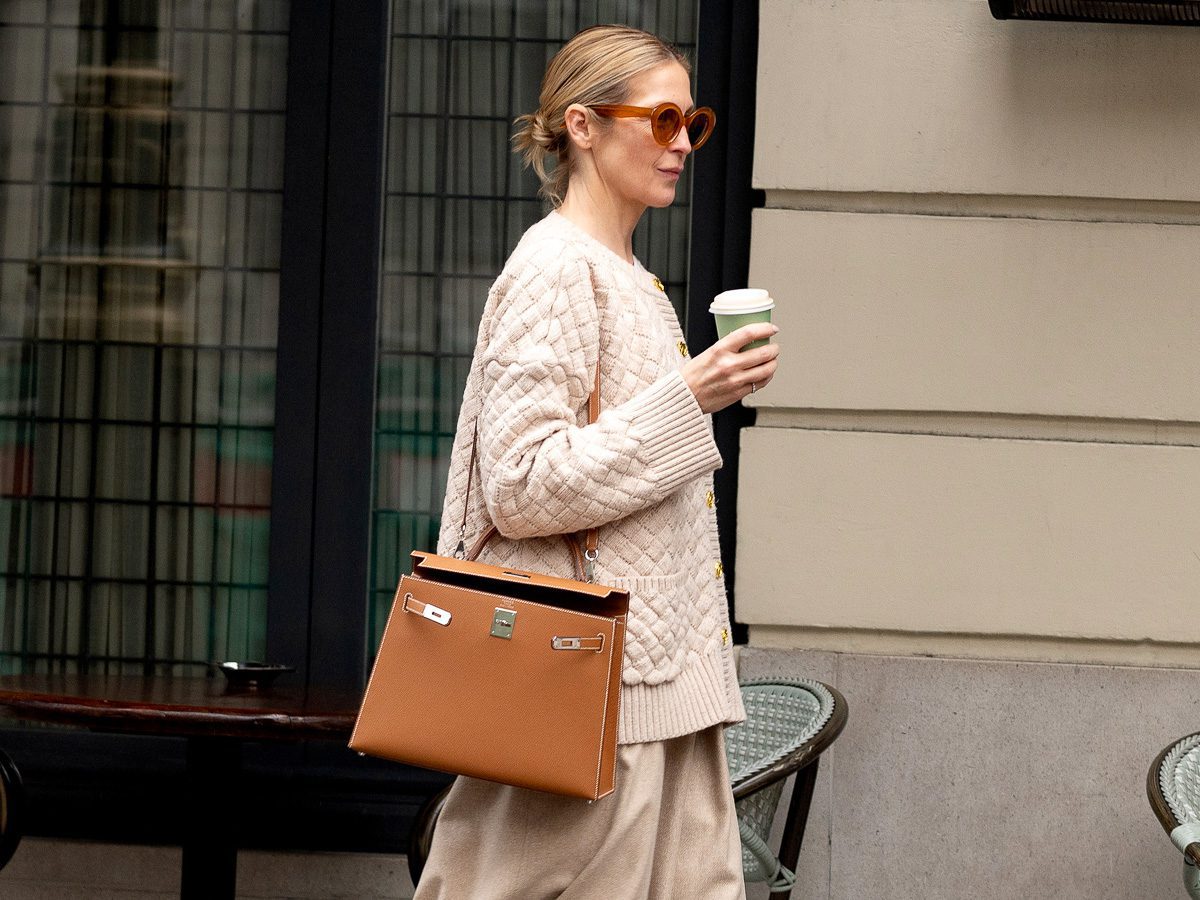
“I wanted a Kelly that I didn’t have to think about, one that could take the day to day wear without showing it,” he said.
Then there was the Etoupe.
“I didn’t plan it,” he admitted. “I saw it and purchased it the same afternoon, and I never did that with any bag before.”
On paper, those might look like three versions of the same purchase. In reality, each one filled a different role, which is a theme that came up again and again when conversing with various buyers.
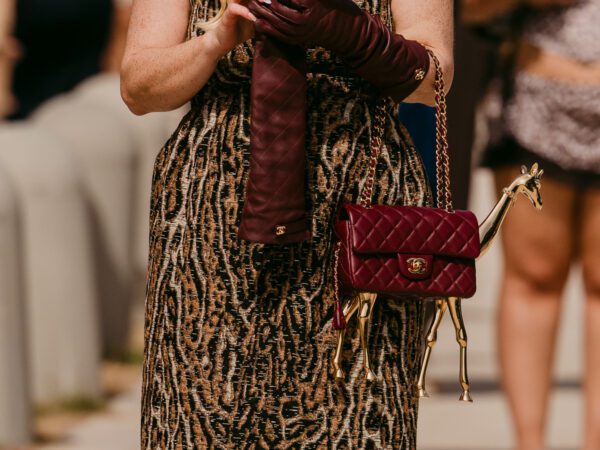
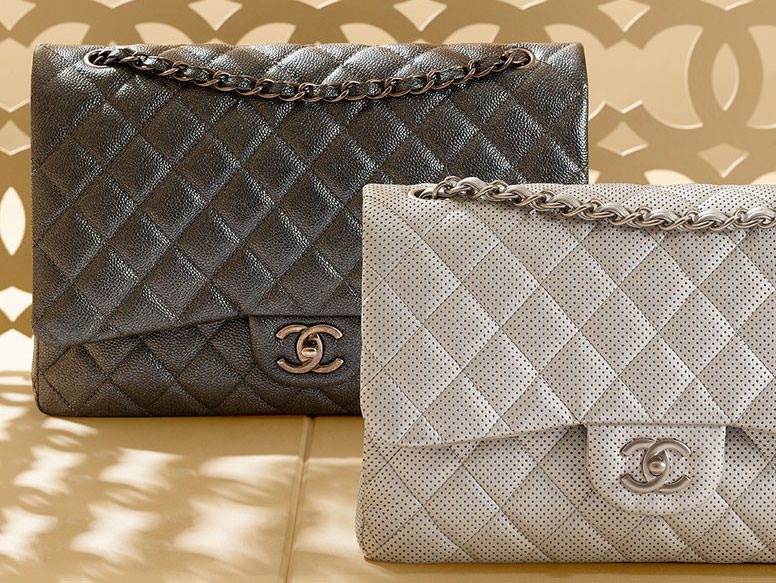
Then there is New York-based stylist Upasna Singh, who has been collecting luxury handbags for more than fifteen years. She owns the Goyard Artois Tote in both black and burgundy, the Lady Dior in black (medium) and cherry red (small), and the Chanel Classic Flap in black alongside a gold mini.
“While the bags are the same style, each color serves a different purpose in my wardrobe and offers a different experience,” Singh said. “My black versions are workhorses that pair effortlessly with everything and feel timeless. The burgundy and cherry red versions allow me to add a little bit of personality while maintaining a silhouette I already know works for me.”
Her Chanel Classics follow the same logic.
“The black Chanel Classic is, again, timeless and can be styled effortlessly, while the gold mini allows me to make more of a statement,” she explained.
Both Ratmoko’s and Singh’s logics are backed by research.
Bonnie Lambert, a psychiatric nurse practitioner goes into detail.
“Once an individual locates a product that has fulfilled all of their expectations for quality, performance and/or personal expression, a subsequent purchase is likely to be considered low risk,” she says. “The buyer has confidence in the performance of a second version of the item because of the experience with the first one.”
Singh also names something many allude to but may not have acknowledged out right: once a silhouette earns your trust, buying it again doesn’t feel repetitive—it feels natural.
“Luxury bags often become part of a person’s visual identity,” explains Singh. “Investing in multiple versions of the same handbag does require a certain level of emotional connection and loyalty either to the brand, the style or both. Once someone finds a silhouette or a style that truly resonates with them, purchasing the same bag in different colors or sizes feels like a natural extension of their style.”
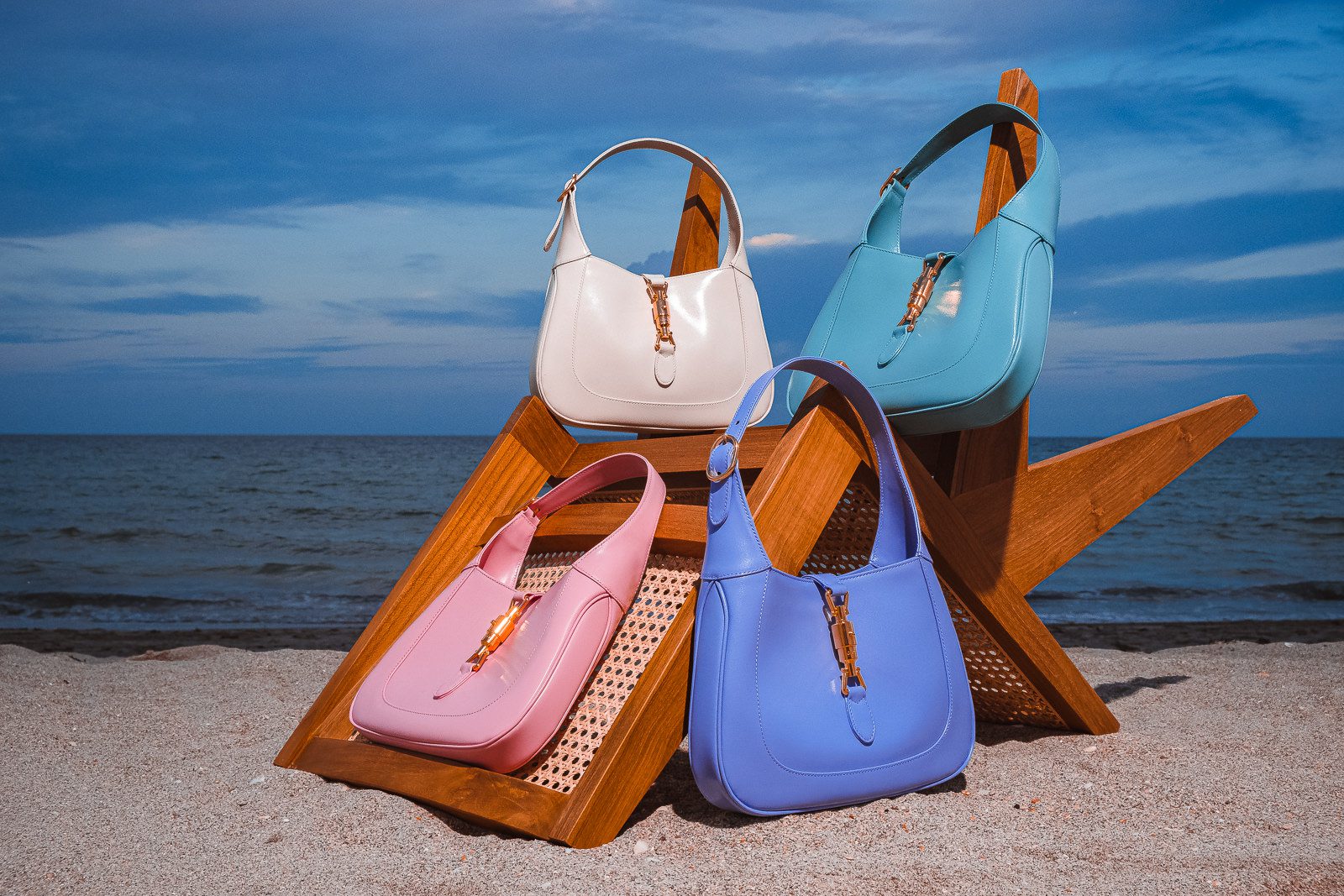
Lambert echoes that idea, explaining, “By purchasing additional versions of an item that fulfill their needs for style or function, individuals will be able to maintain the desired self-image across various settings.”
Singh also pointed to something that feels much closer to sneaker or watch culture.
“There is also a bit of a collector’s mindset at play similar to that of watch or sneaker collectors.”
Doshay agrees, while noting that handbags occupy an interesting space between collecting and practicality.
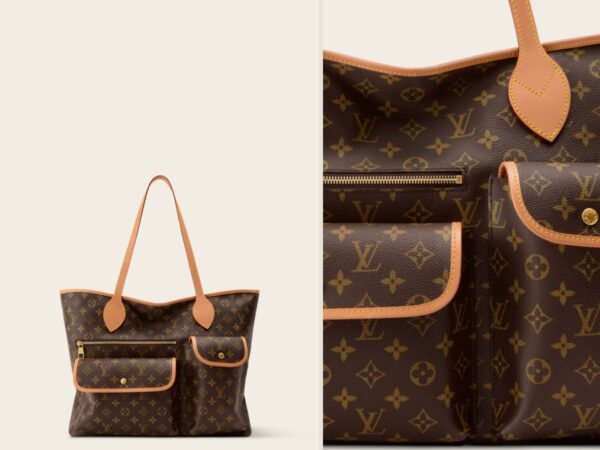
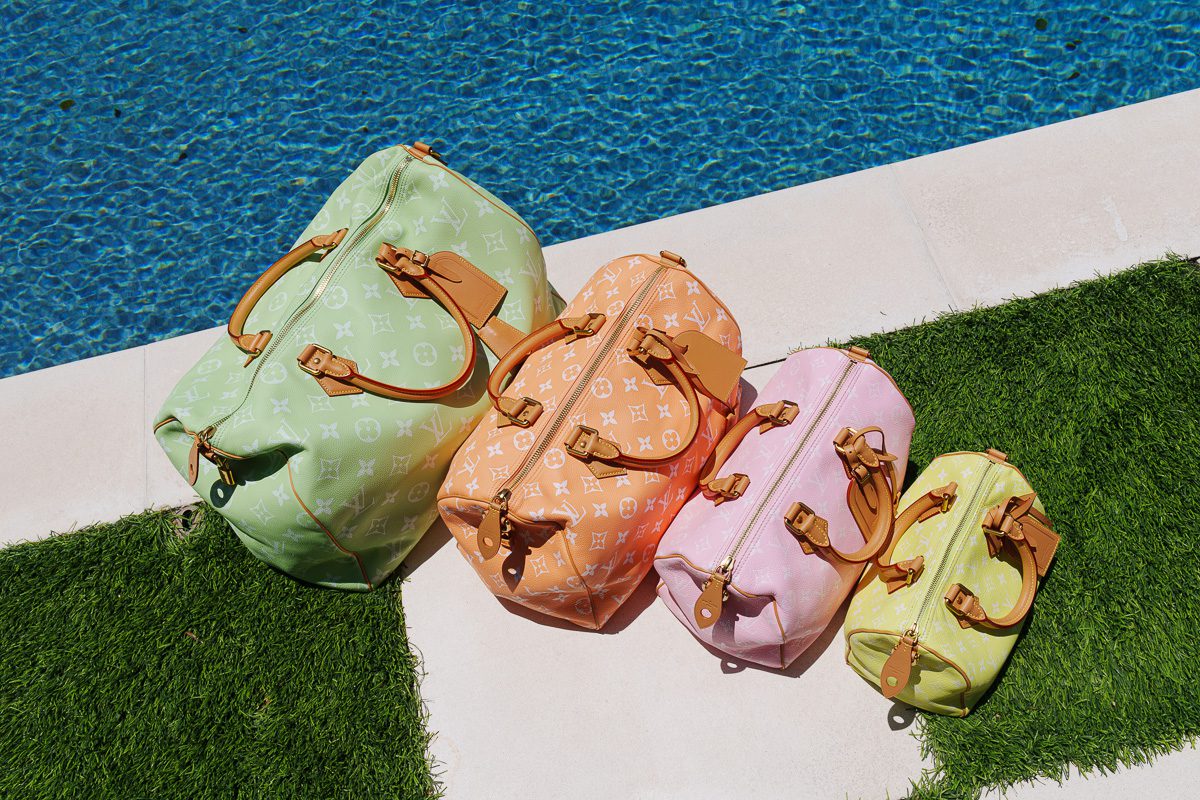
“Many luxury handbags, especially by designers like Louis Vuitton and Gucci, also serve a practical purpose, in addition to being collectible,” he says. “So when the owner buys a second size or color, they can think of it as adding both a new piece to their emotional collection and a new item that will fit into their life.”
It All Comes Back to Money, Too
Of course, we’d be remiss not to mention that folks’ fashion loyalty has also been financially rewarding.
“Established luxury brands have provided a reliable investment strategy,” says Singh. “I bought my Chanel bags almost 10 years ago and today they have more than doubled in value.”
The data backs her up. Rebag’s 2025 Clair Report, which tracks value retention across millions of resale transactions, found that Hermès reclaimed the top position with an average 138 percent value retention, while Birkin bags appreciated 92 percent on the resale market over a ten-year period, more than double Hermès’ own retail price growth during the same timeframe. Meanwhile, the Knight Frank Wealth Report 2025 found that handbags appreciated 2.8 percent over the past year and 85.5 percent over the past decade, outperforming many traditional collectibles, including art and wine.
When a silhouette consistently holds (or even gains!) value, buying a second or third version can feel less like an indulgence and more like a strategy.
That’s exactly how Singh describes her own thinking.
“Ultimately, I think my repeat purchases of the same designs have come from a combination of personal style, loyalty to a particular bag or brand and over time the realization that some of these purchases can also hold their value remarkably well,” she notes.
Of course, there is a line between collecting enthusiastically and shopping compulsively. As Lambert points out, “Healthy enthusiasm is usually flexible enough to accommodate choices. An individual can put off making a purchase, be willing to miss getting something they want and feel at ease with a decision when it comes down to deciding if a second handbag will fit into one’s budget or meet their desires.”
So Why Do We Really Do It?
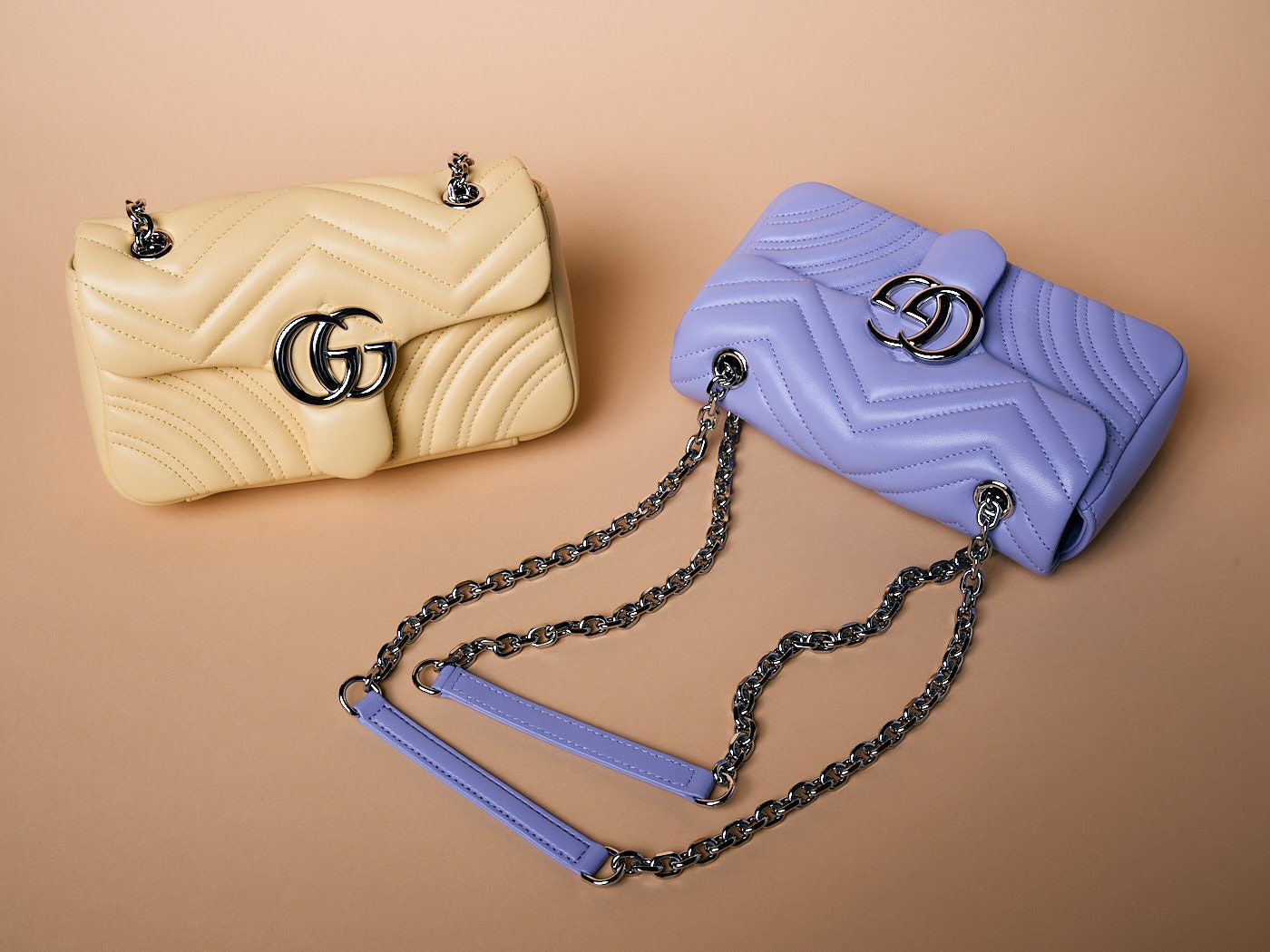
Maybe it’s because we know exactly what works with our clothes, maybe because a certain silhouette becomes part of how we see ourselves or maybe we’re just looking at potential resale value. Likely, though, we are buying multiple similar bags because of all of those things at once.
After all, as various bag owners have pointed out, it’s never really about having more of the same. It’s about finding something that fits your life so well that, when another version comes along, saying yes doesn’t feel repetitive but just right.