
Is it just me, or are songs getting shorter these days?
Now, it’s not like I have anything against them. And done right, short songs can hit a lot harder than, well, shall we say certain numbers by a certain Mrs. Swift that have a tendency to overstay their welcome. No, we love a short king (and by king, I mean song) because we hate how quickly they’re over.
Yet, where tracks under the 3-minute mark were once an album-world anomaly (Nancy Sinatra, notably, was able to explain to us just how her boots were made for walkin’ within 2:48, while Queen’s Stone Cold Crazy stands at a staggering 2:14), today they’re more norm than novelty.
As The New Yorker reported last year in a piece titled “The Battle for Attention”: “the mean length of top-performing pop songs declined by more than a minute between 1990 and 2020.” Today, songs come in a neatly-packaged, TikTok-friendly format that evaporate right as we’re getting into the groove, and in the process, short-circuits our neural pathways into pressing that replay button: quick-hit, quick-repeat, quick-burn.
It’s not surprising, therefore, that the swirling vortex of terror that is the trend-cycle has found its latest new hyperfixation in the era of indie sleaze: a time, in the words of sleazette Alexa Chung herself, for “people united by an enthusiasm for alternative music in, arguably, our last gasp of unfettered freedom before the ability to go on the lash undocumented was swept away by wilful oversharing and sponsored posts.” And yes, longer songs.
Indie Sleaze – Did It Really Exist?
Now, it’s worth noting here that “indie sleaze” isn’t a moniker that actually existed in concurrence to the original movement.
As Chung goes on to write, “I’d never heard the term Indie Sleaze until I was tagged in several slightly cringe pictures of myself by an Instagram account of the same name,” before adding, “In 2007, we just called it going out.”
Of course, it often involved a lot more than just going out.
It was also a time of overly-plucked eyebrows, skintight jeans, and teaching yourself HTML so you could abundantly swaddle your Tumblr with pictures of messy club outings under the caption “about last night” and update your MySpace with the latest 3-minute-plus song. In common parlance, though, the look was called “hipster style,” “Tumblr-style,” or simply “club-kid style.”
It was only in 2022, however, that TikTok trend forecaster Mandy Lee (@OldLoserInBrooklyn), coined the term “indie sleaze” in reference to the post-pandemic impulse of, well, going out: “We’ve been in lockdown for essentially two years and people are really craving community and creativity,” she says, “I feel like with the indie sleaze subculture, 15 years ago, community, art, and music were so powerful – that’s what brought people together.

For a trend that didn’t really didn’t exist, indie sleaze sure has a lot of traction.
The 3rd Summer of Love
“‘Such a cool time to be alive’: why Gen Z is so nostalgic about ‘indie sleaze’” ran a BBC headline mythologizing the period roughly between 2006 and 2012. Toronto-based Olivia V. (and creator of the @indiesleaze Instagram account) refers to it as a decade “not yet neatly defined or revisited”.
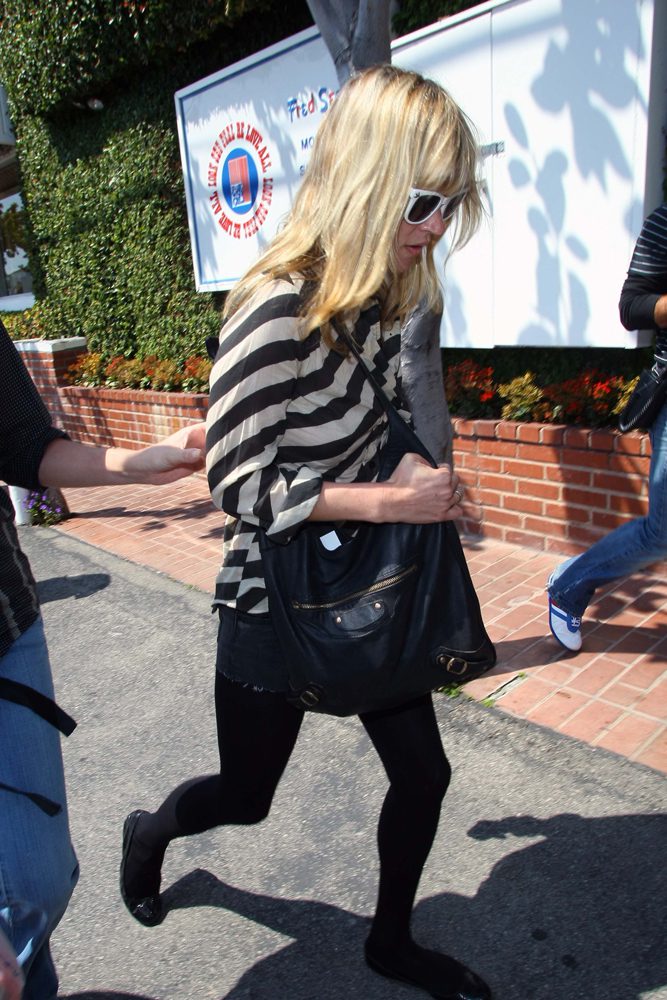
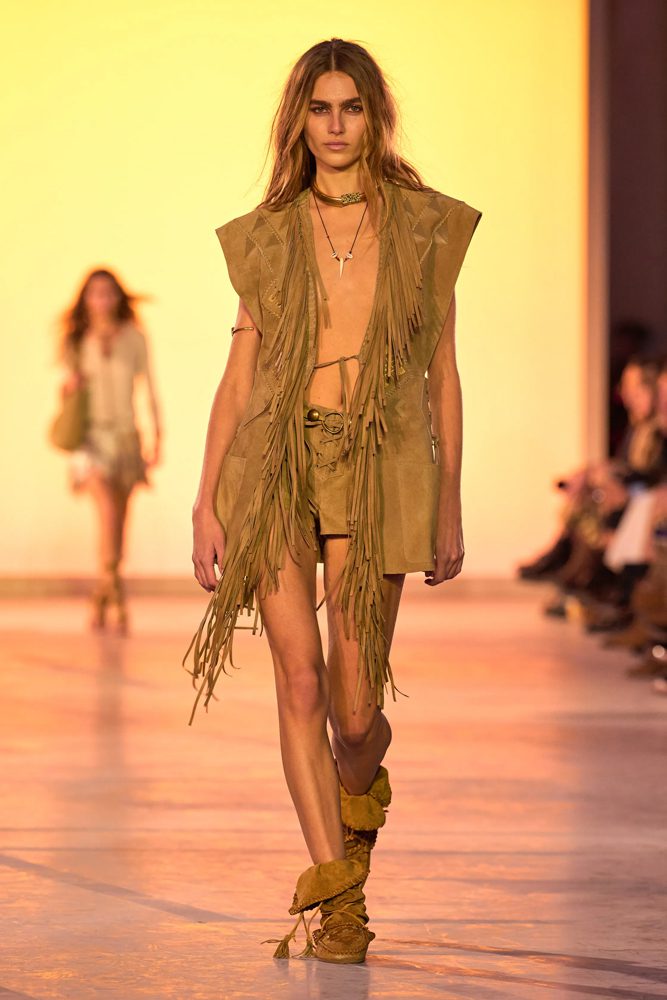
Grainy flash photography from the era depicting the likes of Kate Moss, Sienna Miller, Sky Ferreira and Chung in oversized plaid shirts, ripped tights, cowboy boots and dramatic eyeliner has been endlessly mined for TikTok content and endlessly rewatched by millennials and Gen-Zers losing REM sleep into the wee hours of the night; the former in fond nostalgia of an era bygone, the latter in retroactive nostalgia for an era they never lived through.
Yet, as Chung writes, “Surely for something to be revived, it needs to be worth revisiting.” Bunny Kinney of the online video channel Nowness adds, “I struggle to imagine that it will earn its place in the history books.”
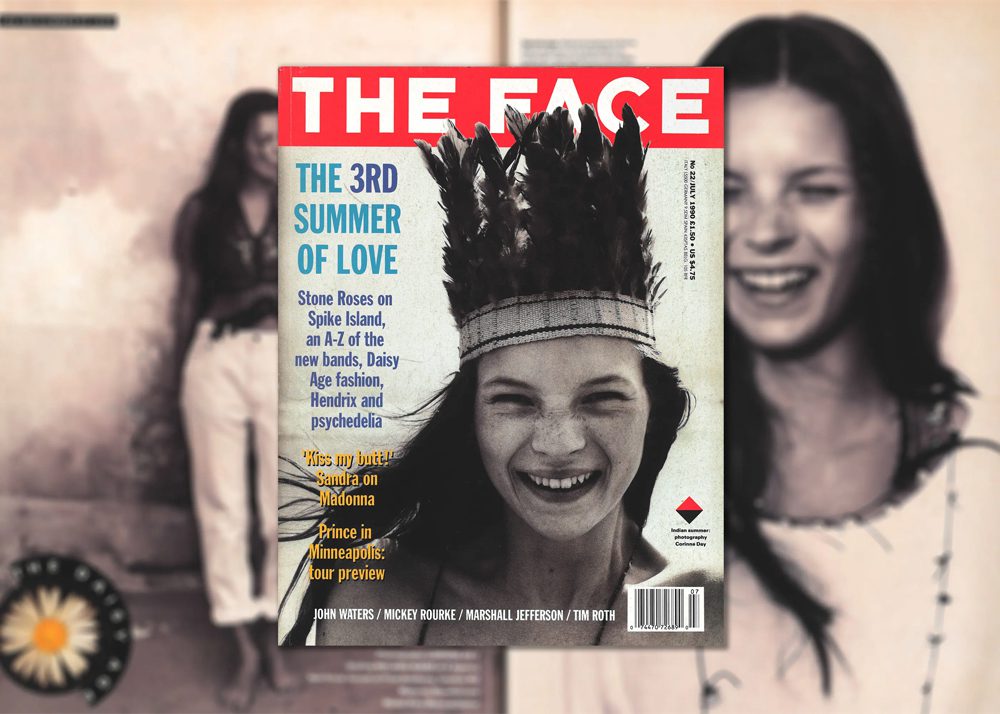
The indie sleaze look itself was derivative, a messy, performatively vintage amalgam of the ratty rec-room chic of ’90s grunge and ’80s opulence, haphazardly put together by greasy Caucasian hipsters who grew up listening to old Black Sabbath albums and watching that Corinne Day editorial of Kate Moss on the cover of The Face, titled “The 3rd Summer of Love”.
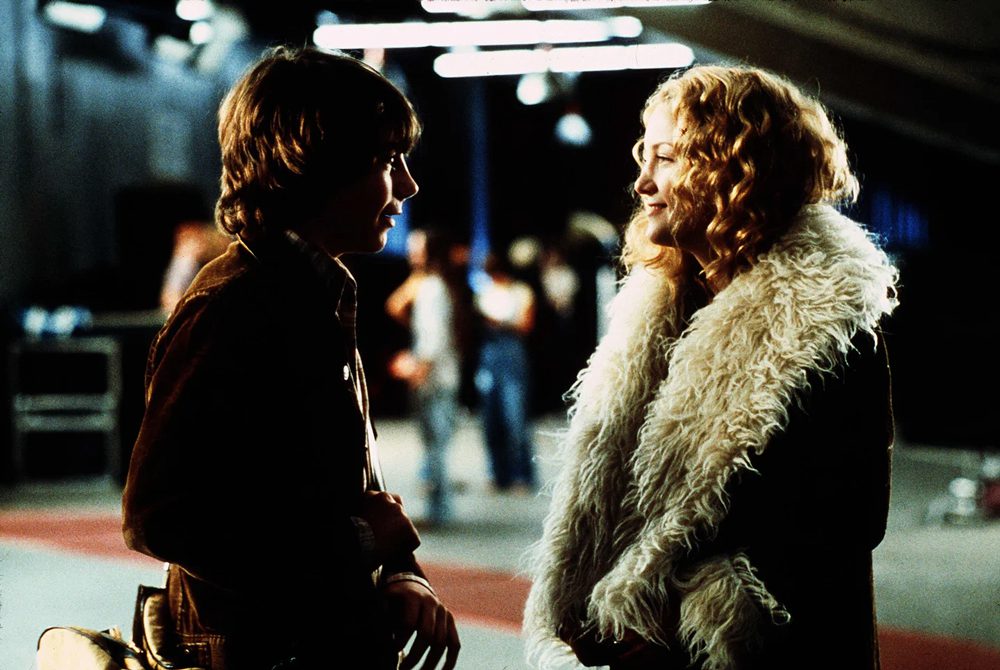
It was a time that the optimism of punk clashed with the pessimism of the new millennium, and the desire for self-expression collided with the rebellion against preceding generations. The New York Times declared, “Pop will eat itself; the axiom goes.” Almost Famous (shot in 2000, set in 1973) pronounced rock n’ roll over: “You got here just in time for the death rattle. Last gasp. Last grope.”
Indie sleaze was a defiant statement in its own right.
And this made it perfect brand fodder.
The Age of Indiness
“The look was unpolished, hedonistic,” opines Nova Dando, a stylist at the time who had worked on shoots and music videos for the likes of Klaxons, Bloc Party, and The Horrors. “Grunge stuck, maybe because it so vividly evoked both the black-noise sound and the smelly-caveman look,” wrote the NYT piece. Charli XCX, the queen of underground boiler-room sets in otherwise cheerless basements, partnered with fellow singer and sleazester The Dare to usher in this messy, original look yet again last year.
Like grunge, a five-letter word meaning dirt, filth, and trash, brat was reclaimed as a musical genre, a fashion statement, and a pop phenomenon all at once, albeit with shorter songs this time around.
But the real genius of indie sleaze lies in its ability to be endlessly recreated.
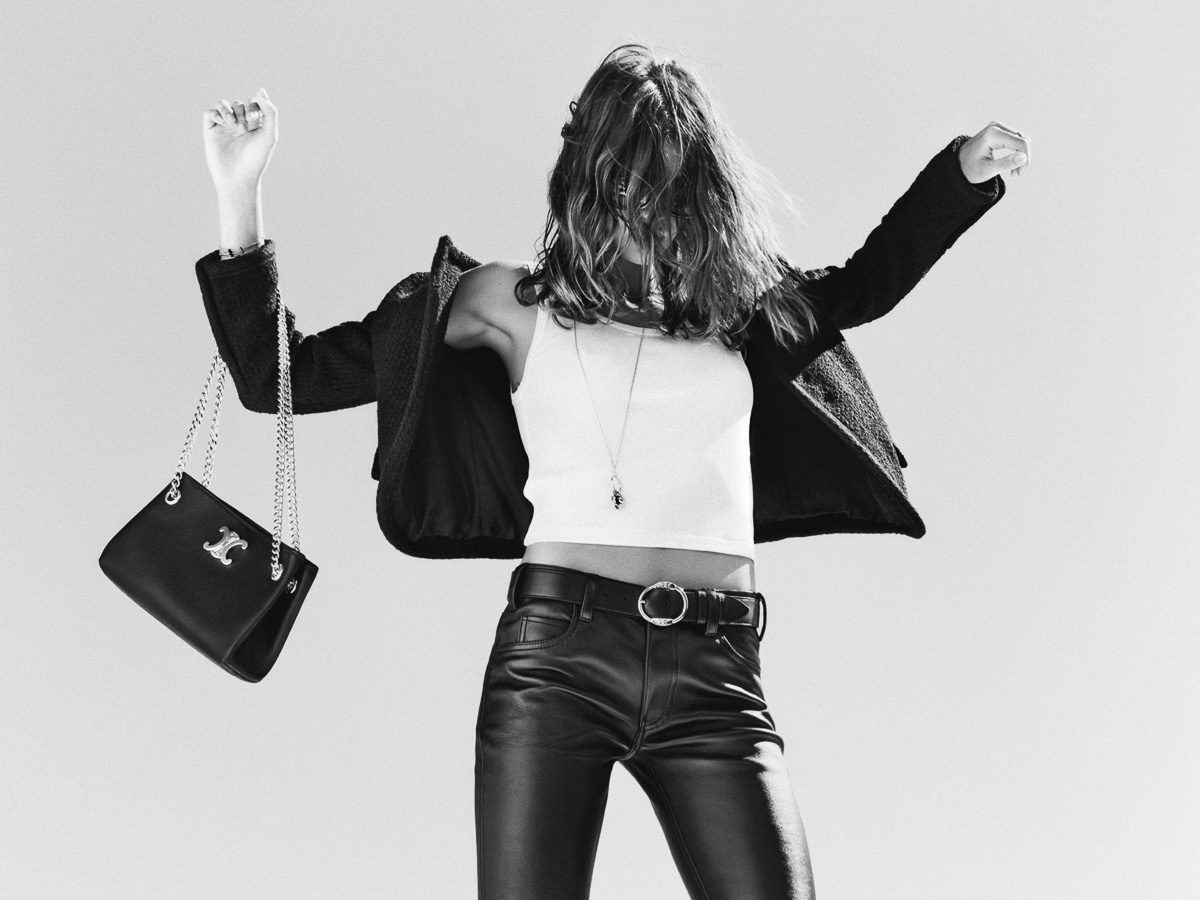
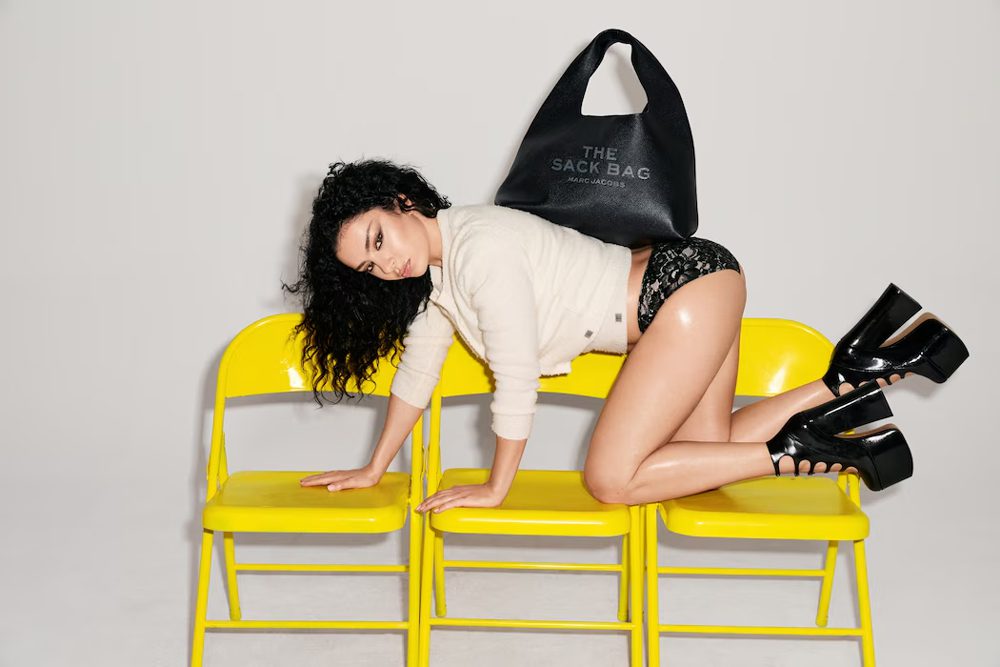
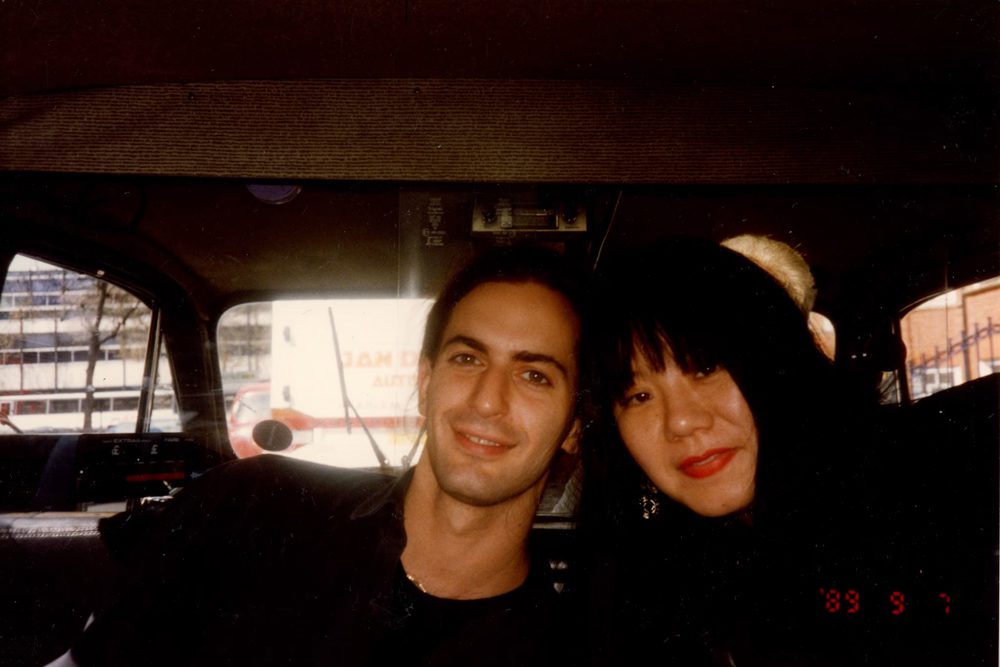
Marc Jacobs took cues from Kurt Cobain’s threadbare flannel shirts, knobby wool cardigans, and shabby Pacific Northwest chic for his scandalizing Perry Ellis collection. Hedi Slimane, Jacobs’ modern-day contemporary, mined the annals of grunge to churn out skinny jeans and leather jackets on the runway regardless of whether it’s Dior, Saint Laurent, or Celine.
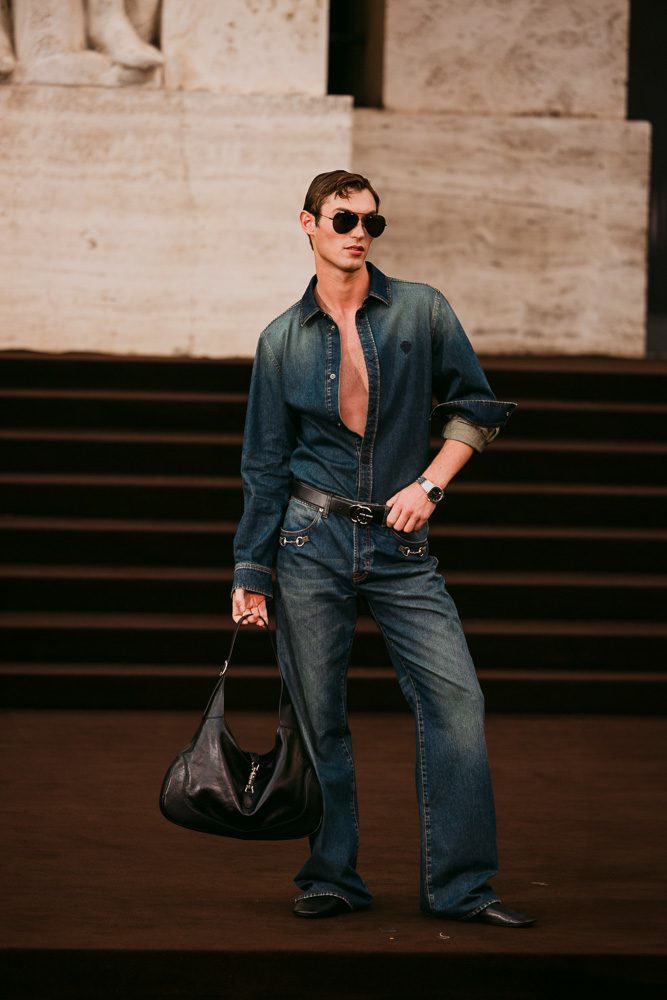
And of course, how could we forget Nicolas Ghesquière and his biggest contribution to bag-kind, the Balenciaga Motorcycle bag, the hot new thing that looks like a lovely old thing, and one that Kate Moss herself plucked out of the originally ill-fated runway lineup and brought forth into the world?
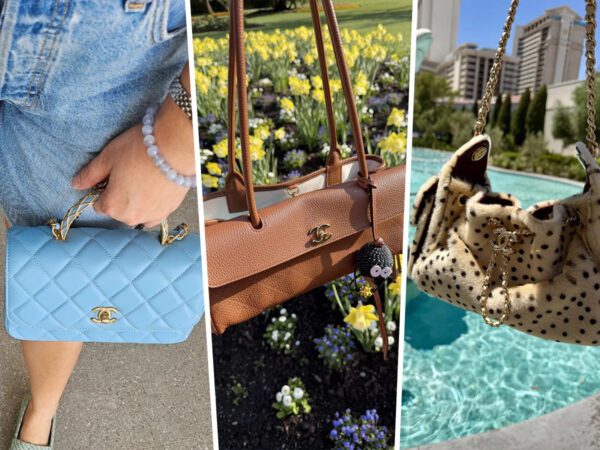
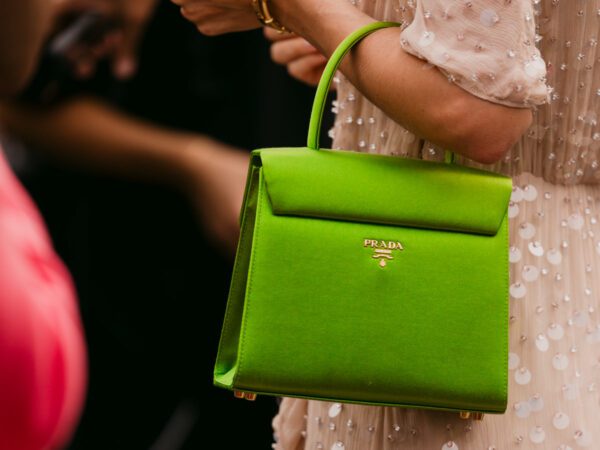
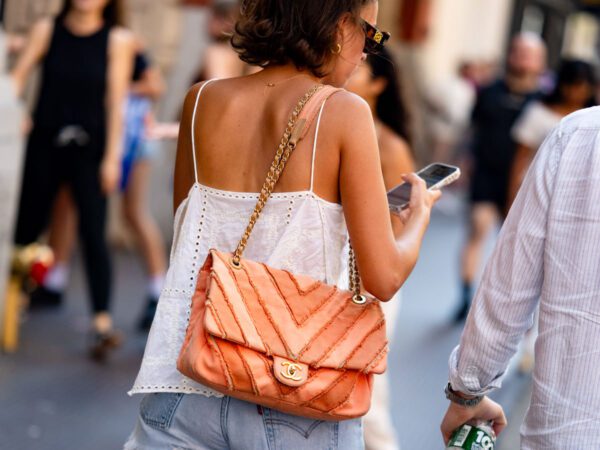
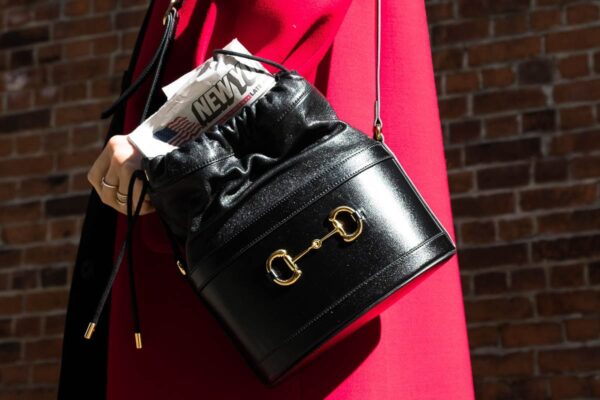
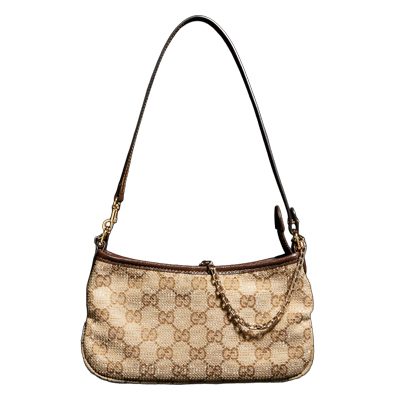
The central ethos to indie sleaze, in a way, was personal style: “the pursuit of real-world individuality felt more important than a tag on your outfit,” a sense of effortless cool that comes with rocking a band-tee, a skinny useless scarf, or a well-loved bag. It’s the reason why Jane Birkin’s own Birkin sold for $10 million, and it’s the reason why pre-distressed bags have become the latest trend at Prada, Coach, and Demna’s Gucci.
Because in the age when poreless AI filters and constant digital surveillance have us all looking the same, and personal style appears to be in dire straits, there’s nothing more appealing – and more real – than looking like you live in your own skin, smudged eyeliner and all.
And that, dear reader, is indie sleaze.



I want so badly to flip the words in this sentence: It was a time that the pessimism of punk clashed with the optimism of the new millennium, and the desire for self-expression collided with the rebellion against preceding generations. There, fixed it. <3