

More than ever, today’s luxury brands are defined by their creative directors. From changes across the board at nearly every luxury house, from Chanel and Celine to Bottega Veneta and Gucci, there is no denying that the individual at the helm of a heritage luxury brand has a profound impact not only on the brand, its designs, and its DNA, but also on its fan base.
When a new designer steps into a creative director position, a shift is often felt, whether stark or subtle, immediate or over time. House codes are reinvented, aesthetics are altered, and a brand can shift seismically with the appointment of a new person.
Though in the past few years—and specifically during the Spring 2026 season—we’ve seen changes across the board, few brands exemplify the statement above better than Bottega Veneta. In 2018, its parent company wanted to modernize, and a new, young designer was appointed to sit at the brand’s helm.
The Delicate Balance Between Heritage and Reinvention
When Daniel Lee took over the role of Creative Director, the one-time luxury sleeper brand saw an overnight reinvention. Younger consumers, who had once overlooked Bottega Veneta’s classic designs, were running to the brand in hordes, clamoring to get their hands on one of Lee’s signature new designs.
While the hype was, of course, good for business, with Bottega Veneta seeing a near-immediate increase in sales, loyalists of the brand saw their worst fears come true, with classics like the Olimpia Bag and the Knot Clutch disappearing from store shelves.


All of this brings up a very pertinent question: Can a brand’s storied House codes and loyal fans coexist with its new ones? Let’s discuss.
The short answer is yes, but it is a tough balance to strike, and it can take years for a brand to find its groove again when a new creative director is appointed. The transition and financial growth are not always as seamless as they were at Bottega Veneta. Take, for example, Celine’s transitional period when Hedi Slimane was appointed creative director back in 2018. Devotees of the brand shuddered at the news of Phoebe Philo’s departure, and it took a few seasons before Slimane found his footing.
Now, with Bottega Veneta and Celine well past those transitional periods, a new cohort of luxury brands is facing the same challenge: balancing heritage with reinvention.
What Happens When House Codes Are Rewritten?
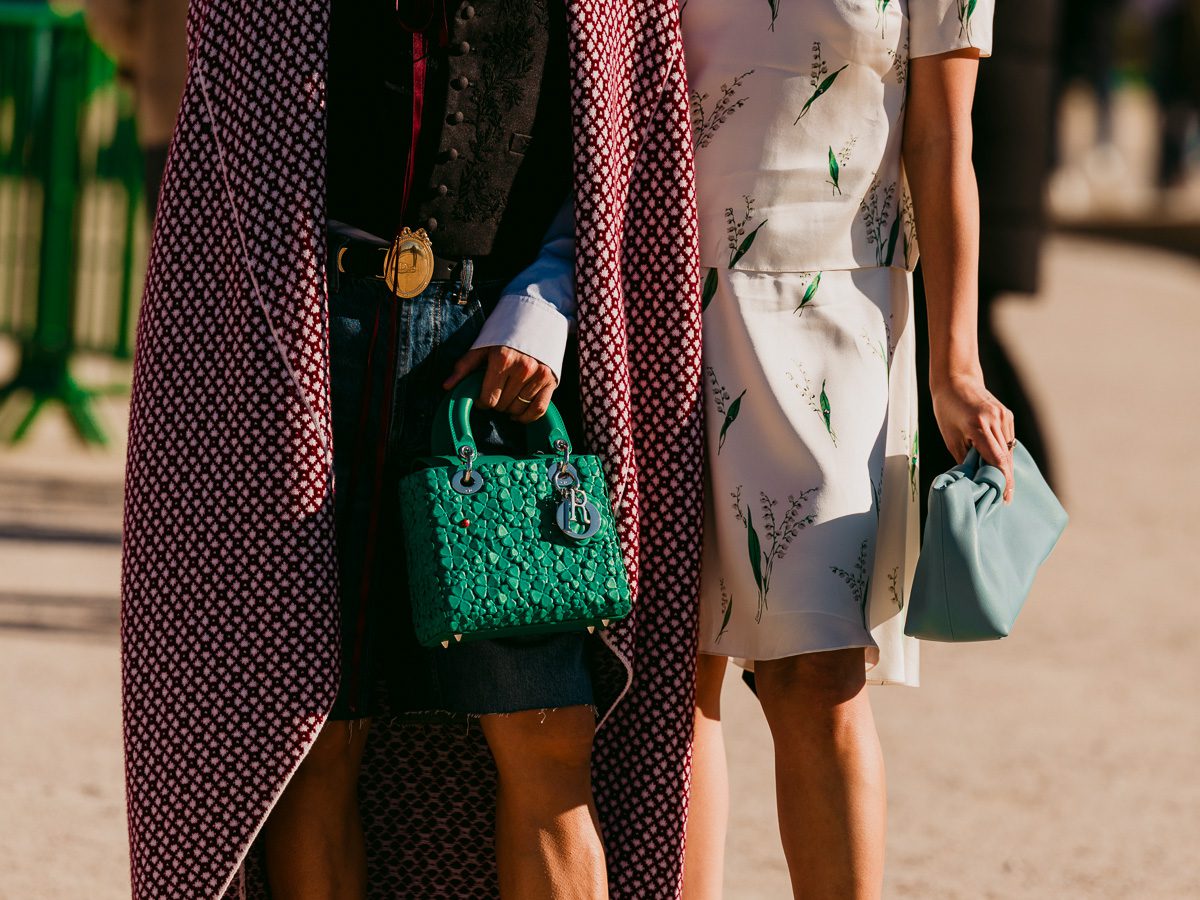
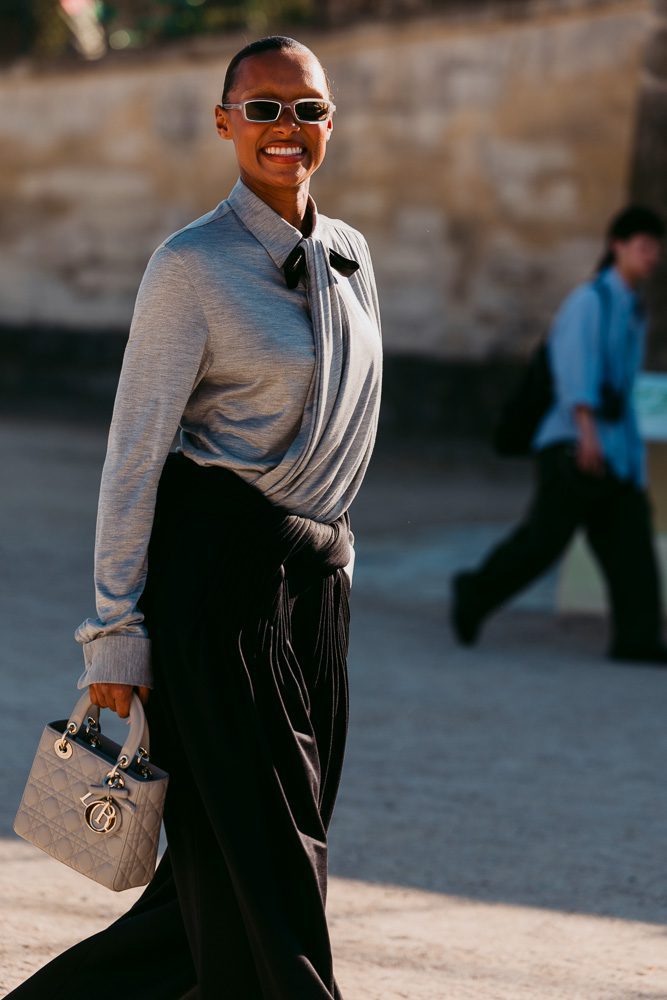
At the House of Dior, Jonathan Anderson brings his modern, experimental vision to the storied French House, melding the old with the new. Anderson began with a revamp of one of Dior’s most iconic bags, the Lady Dior, while introducing new silhouettes set to become cornerstone designs, like the Dior Cigale, which leans more timeless, and the Dior Crunchy, which feels more casual and youthful.
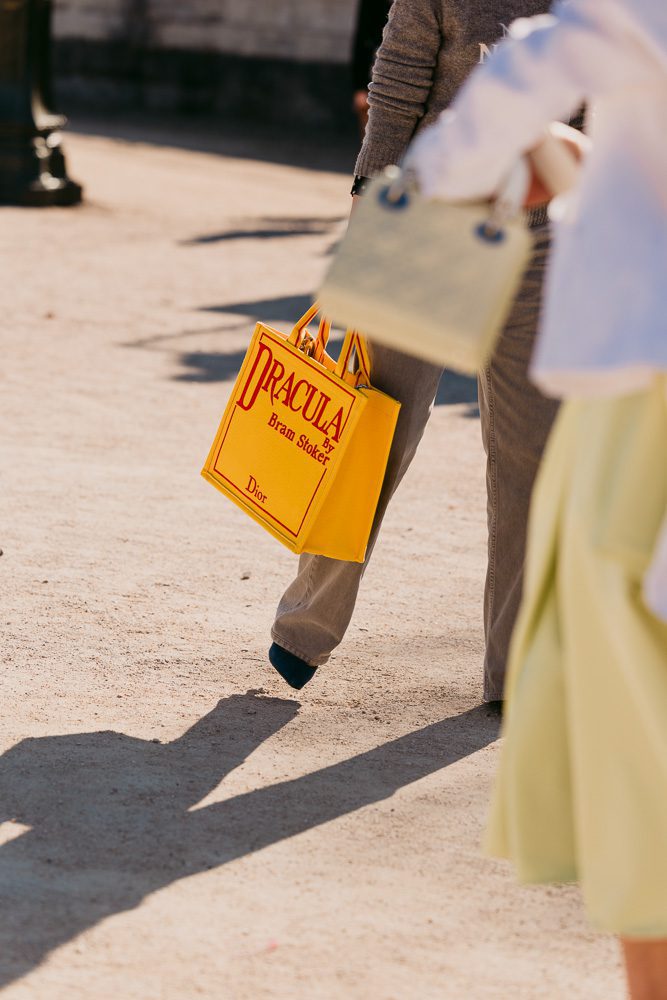
Plus, new House staples like the Dior Book Tote have seen reinvention under Anderson’s reign. Still, while ready-to-wear incorporates archival nods like the Dior Bar Jacket, it has seen some of the most significant changes from Dior pre-Anderson.
At Bottega Veneta, the melding of new and old feels a little less obvious this time around. House codes were revived and refreshed under both Daniel Lee and Matthieu Blazy, allowing Louise Trotter to build on past momentum. Take, for example, Intrecciato, a House staple that continues to see reinvention while remaining an integral part of the House.
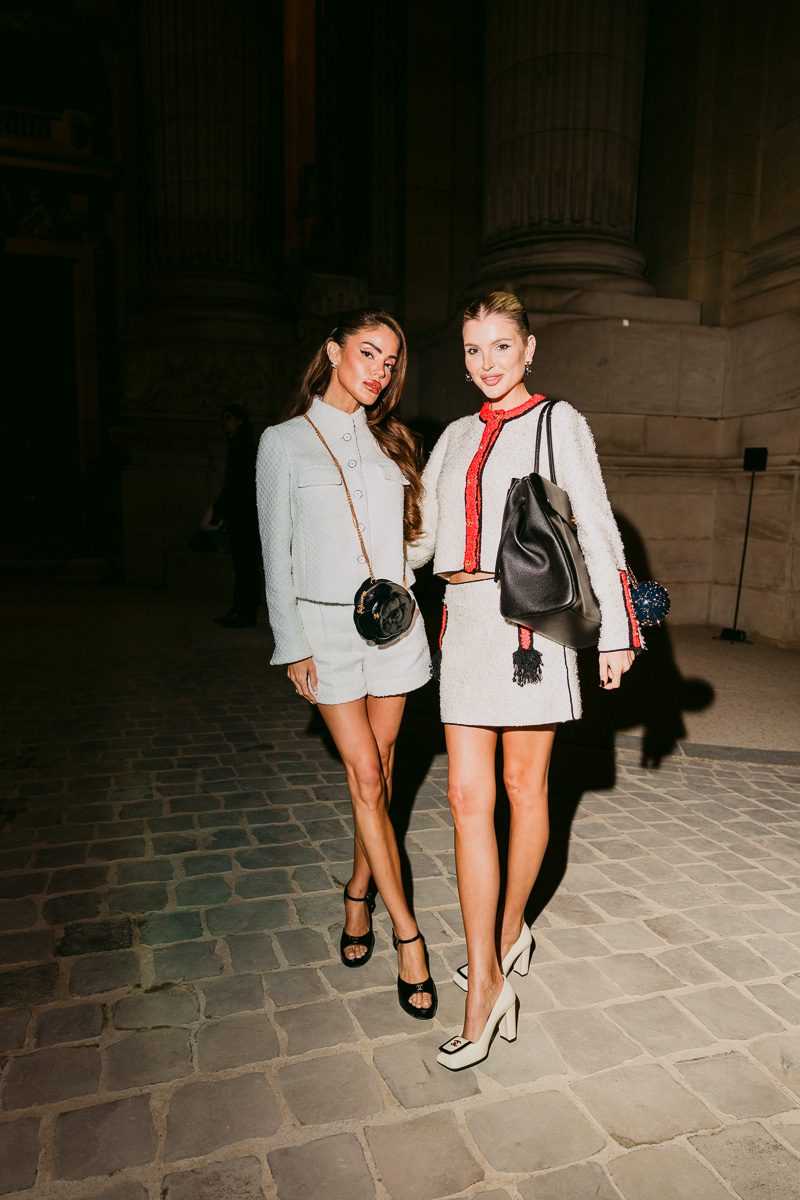
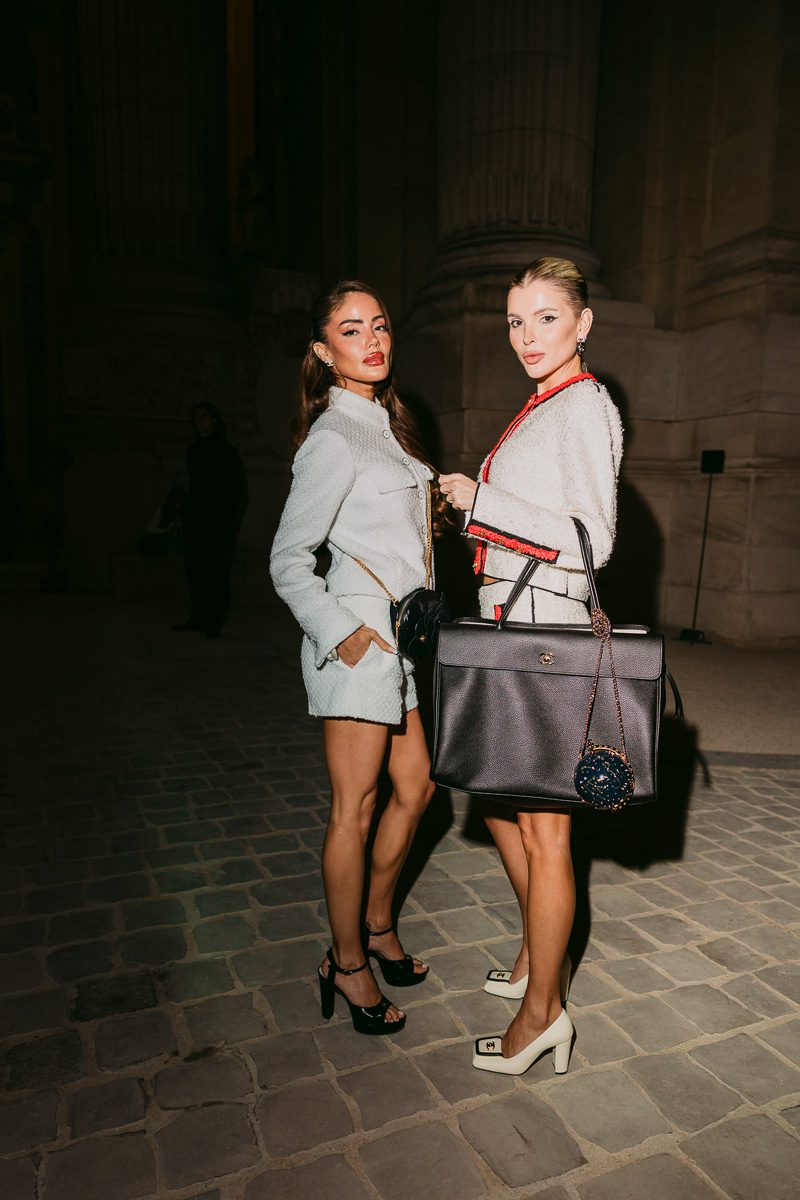
Few brands are seeing a reinvention quite like Chanel under the creative direction of Matthieu Blazy. The brand was led by the late Karl Lagerfeld for more than 30 years until his passing in 2019, and later by his right-hand woman, Virginie Viard.
Blazy’s Chanel has already seen incredible success, and few designer debuts have been as celebrated and coveted as his Chanel, which hit stores earlier this spring. With a focus on modernizing core pieces like the Classic Flap, which has been given an oversized, slouchy update, and reimagining iconic Chanel Tweed, hints of the past remain—revived and refreshed.
Can Brands Really Do It All?
Still, for every widely recognized embrace comes pushback, and longtime loyalists at both Chanel and Dior have taken to social media to vent their frustrations. Brands must modernize, at least in part, to keep up with the times and shifts in spending power, and if there’s one thing designers and fashion lovers alike can agree on, it’s that the fashion landscape remains ever-changing.
As older generations retire and those who have come of age in the digital era continue to grow and advance in their careers, spending power continues to shift. Along with that shift comes a greater responsibility for brands to strike that perfect balance.
As millennials and Gen Zers age and their spending power increases, it’s important for brands to tap into these emerging markets not only to boost sales but also to stay relevant in a constantly evolving industry. The challenge, of course, is modernizing without abandoning the customers who helped establish a brand’s legacy in the first place.
What do you think? Can brands really “do it all?”







Brands were already “doing it all” before you were born, Kaitlin.
I honestly don’t think I care. As long as what they’re creating is good (in terms of quality yes but also in terms of the quality of the ideas and the strength of them), I really don’t care if they’re honoring “house codes” or “staying true” to a founder’s vision. I really don’t.
I would much rather see someone make incredible things that have nothing to do with what we think of as “the DNA of brand x” than watch someone struggle and turn out lukewarm, boring product that toes the house-line and that no one needs or likes and will just end up being massive waste – of time, labour, money, energy and to the environment.
I don’t understand why there’s so much emphasis nowadays put into this. I understand that a lot of luxury brands use their history and their heritage to legitimize themselves and to try and justify their creative output and its cost (and that a lot of customers use that history as well to justify purchasing the product), but if the product isn’t good enough on its own, is the fact that the founder was a revolutionary in their day enough to make up for the fact that what the brand is putting out there now under the same name doesn’t resonate or is simply not good enough?
I think designers should worry more about doing good work and maintaining a clarity of vision – that will find them their audience more than trying to be everything to everyone. I know she’s such an exception, but I always think of Phoebe Philo at Céline.
Alternatively, my take is that if brands are so concerned with maintaining their heritage and their codes and DNA and whatnot, they really should be more careful and considered with who they hire for that job. Though, to be frank, a lot of the most successful design tenures of the 2000s and 2010s happened because brands hired creative directors that completely reinvented the houses they were working for (Hedi at Saint Laurent is the first one that comes to mind, but also Tisci for Givenchy, etc.) (I mean… Gaultier once designer ready-to-wear for Hermès!!! I just could never see them take that kind of risk or make such a ballsy appointment move these days.)
I think it’s no longer about can or can’t they do it, but in the end they gotta do it. the “Reinvention” gonna be addition as the new classic. Loyalty is nice, but in business you need more and more new loyalist.