
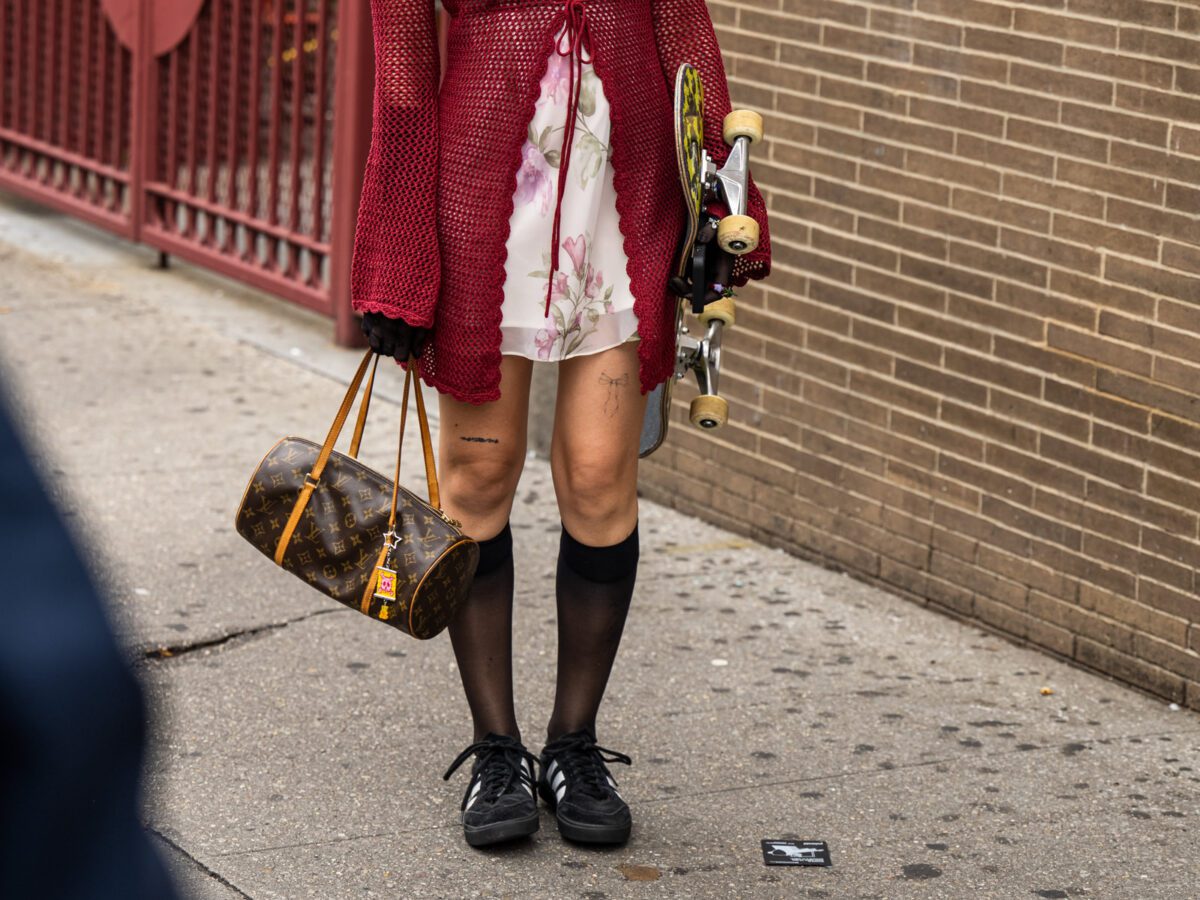
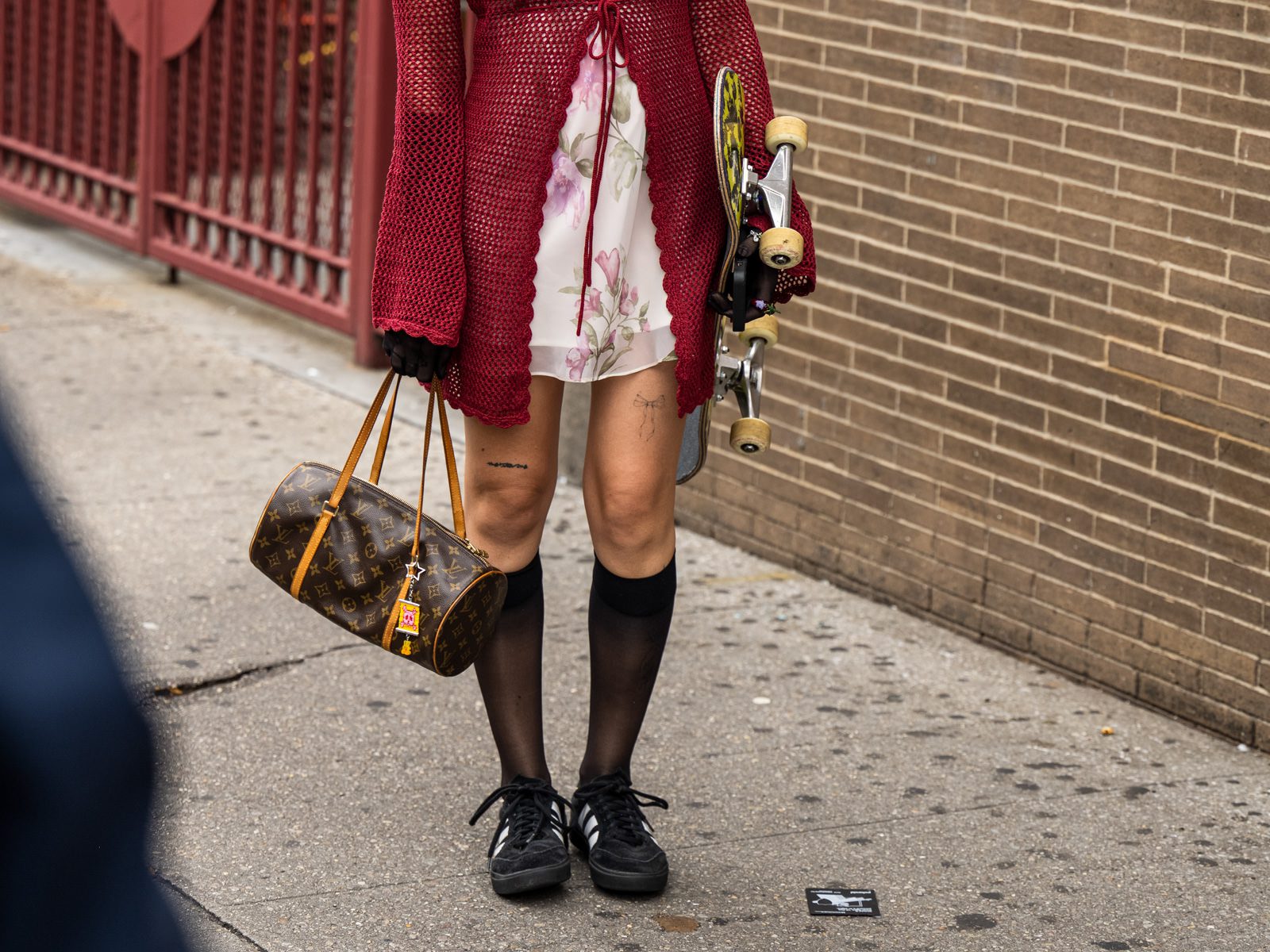

2026 marks 130 years of Louis Vuitton’s iconic Monogram, and we continue to celebrate one of the fashion world’s most globally recognized symbols of luxury.
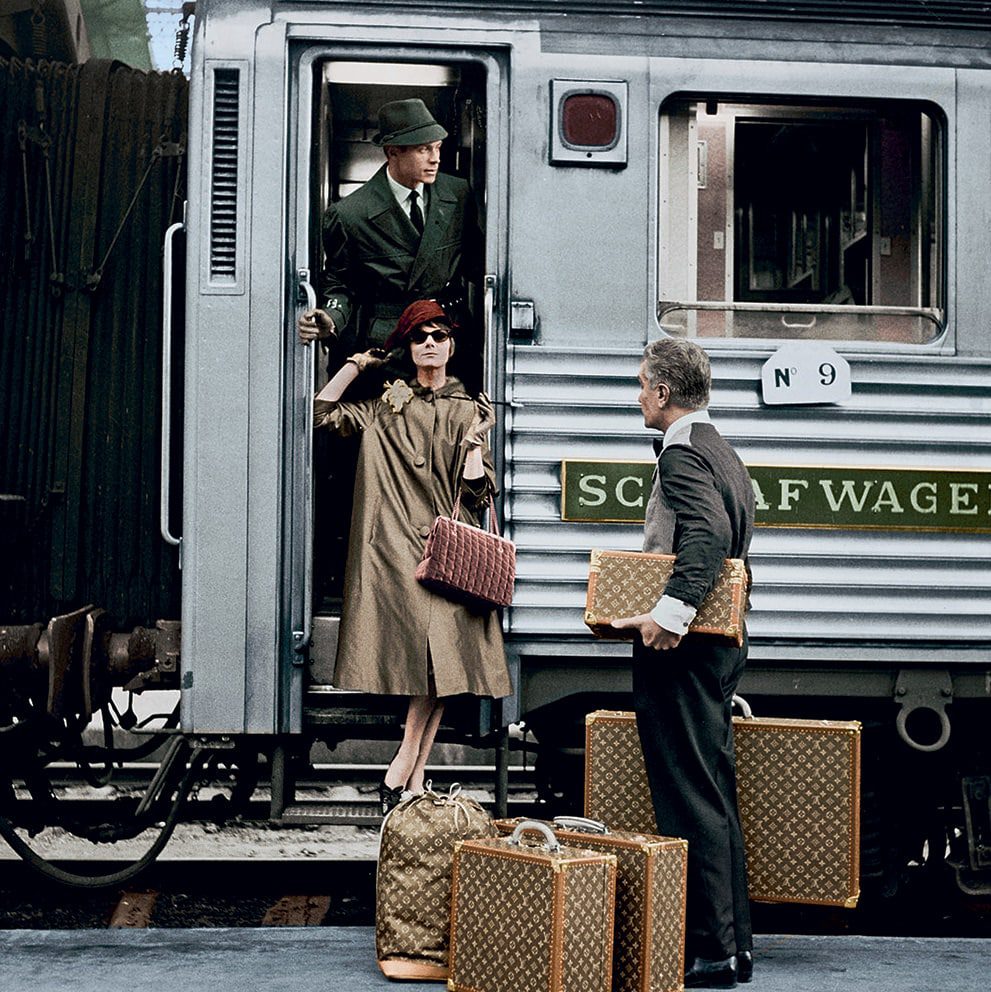
While monogram prints as brand signifiers and visual identities are commonplace today, when Louis Vuitton’s son, Georges, created the pattern in 1896—marrying the LV initials with abstract floral shapes—the move was boundary-breaking. It was extremely rare, if not unheard of, to find initials on a trunk unless they belonged to its owner.
Created for that very reason—for use on Vuitton’s travel trunks—the Monogram as we know it today would later evolve, expanding to travel accessories such as hat boxes and vanity cases, and eventually handbags in the early 1900s.
Monogram’s Evolution
Louis Vuitton’s most historic designs are still in rotation to this day, decades—or nearly a century—after their debut (it’s hard to believe the Louis Vuitton Speedy is just four years away from its 100th birthday!). And while bags like the Speedy, Noé, and Alma are often cited as the bags with the most storied history, today we’re paying homage to the fan-favorite Papillon with a little history lesson—the best kind of history lesson, if you ask us!
When Georges Vuitton passed away in 1936, his son Gaston-Louis Vuitton took the helm of the House, continuing its expansion and helping to shape the future of the family business. His three-decade tenure was marked by a slew of important milestones, particularly the growth of the brand’s leather goods offerings and a subtle refresh of the LV Monogram.
A New Shape for the Monogram Era
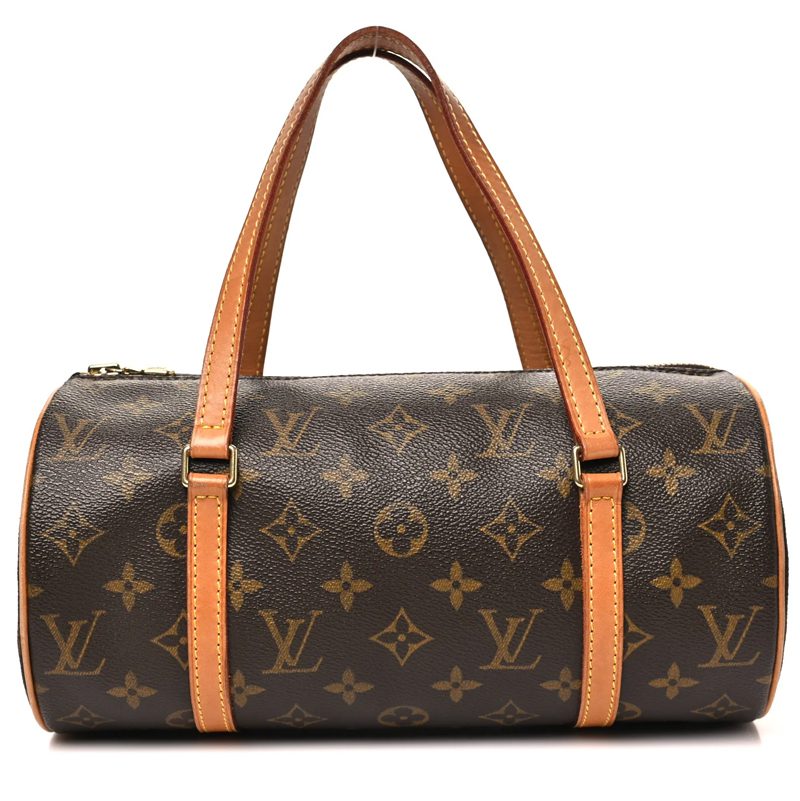
With that refresh, Gaston-Louis Vuitton and his team introduced new shapes bearing the updated Monogram canvas, including the Papillon, which entered the Louis Vuitton lineup in 1966. Characterized by its cylindrical shape, the Papillon was designed by Henri Racamier, Gaston-Louis Vuitton’s son-in-law and the executive widely credited with transforming Louis Vuitton into a modern global luxury brand.
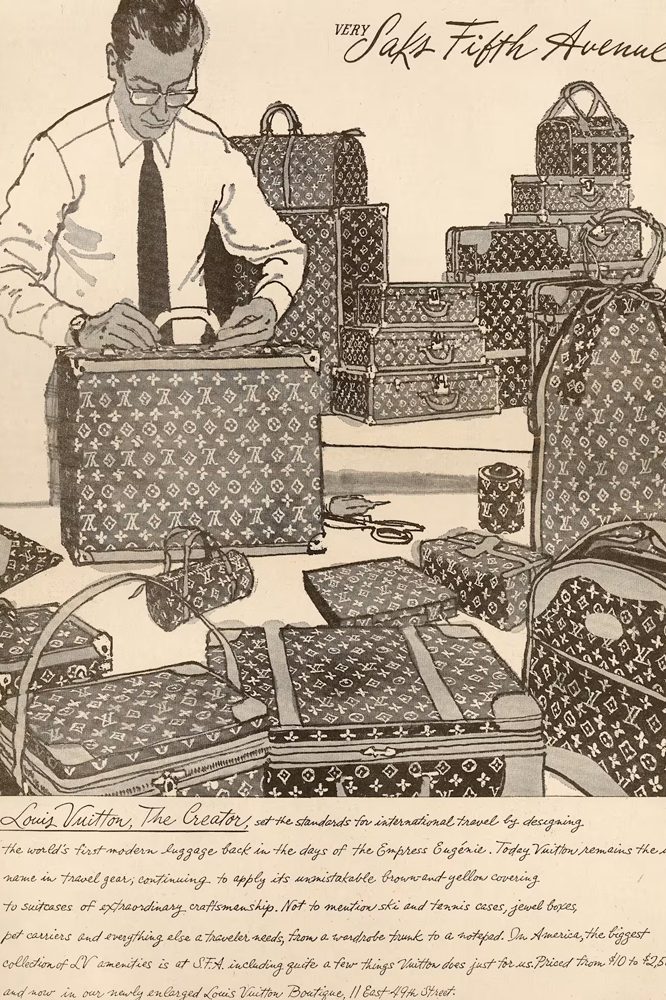
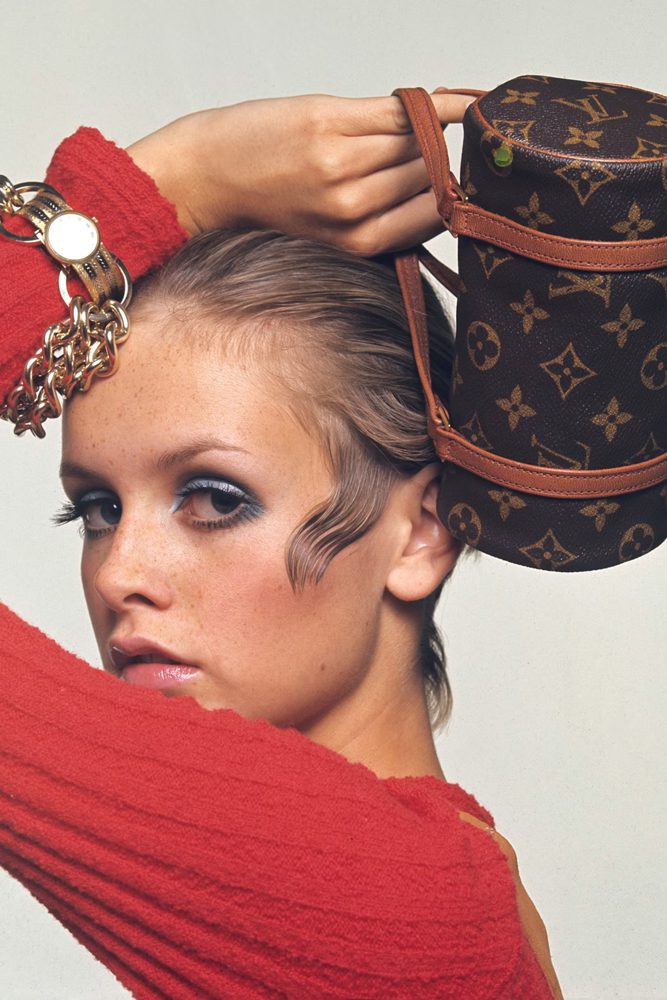
The Papillon, which actually means “butterfly” in French, might appear to be simply a cute circular bag, but it was intended to evoke the shape of a butterfly, with the bag’s body representing the butterfly’s body and the handles its wings.
The Papillon, like other Monogram canvas bags, has served as the perfect blank canvas for reinvention over the years, reimagined through artist collaborations with Takashi Murakami and Yayoi Kusama and issued in other fabrications like Epi leather and Monogram Vernis.
The Papillon’s Lasting Legacy
The most popular size was the 26, though the Papillon 19 was the bag’s original design, with later iterations offering a mini pouch that could be affixed to the outside of the bag and carried separately as a clutch.
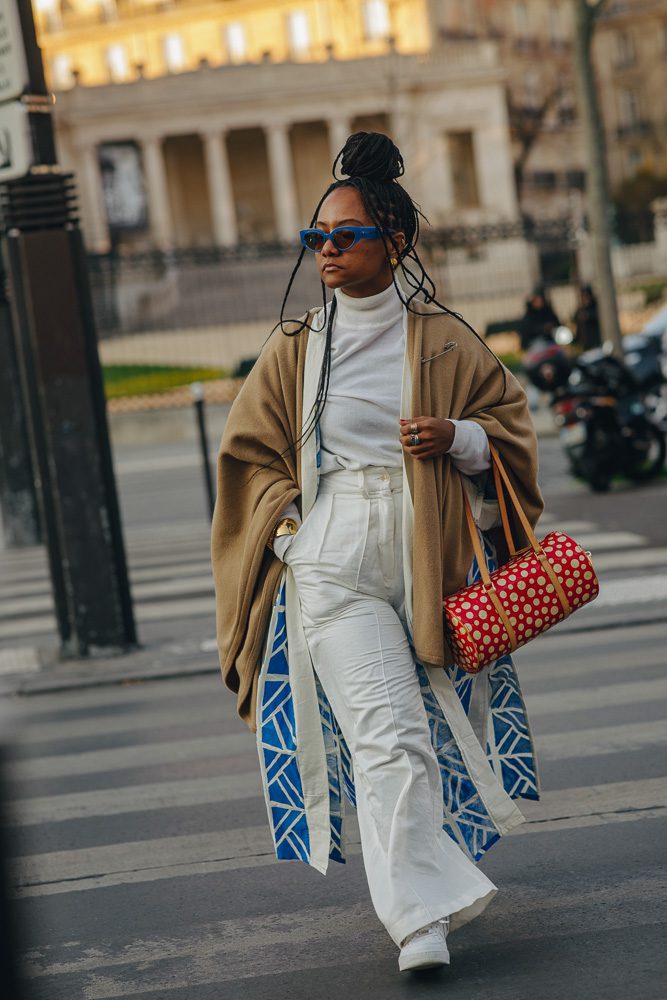
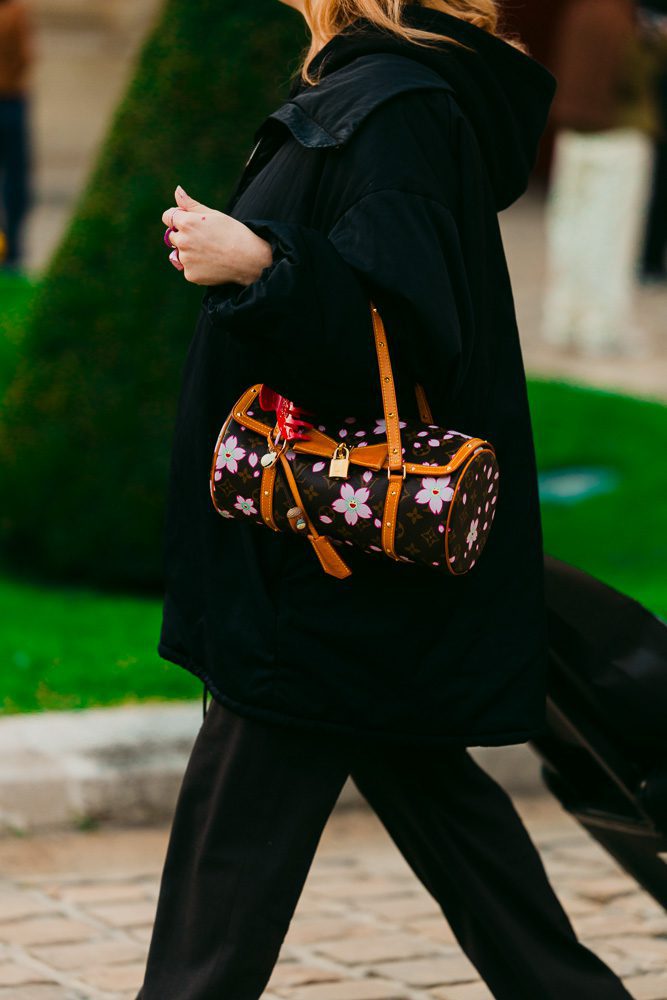
Though the classic Monogram Papillon was discontinued in 2009, the shape can still be found in the Louis Vuitton lineup, from the Papillon Trunk to reissues from the Murakami collection and more. Collectors often delight in seeing the shape return when least expected.
Initially I didn’t feel draw to this particular bag, I thought the style wouldn’t work for me but I’m really starting to like the look! I may have to pick this one up!
I love love love my pappillon. As is typical with LV, it is incredibly utilitarian as well. It is small and holds so much in a very comfortable balanced way. Mine is about 20 years old and the canvas is just gorgeous.