
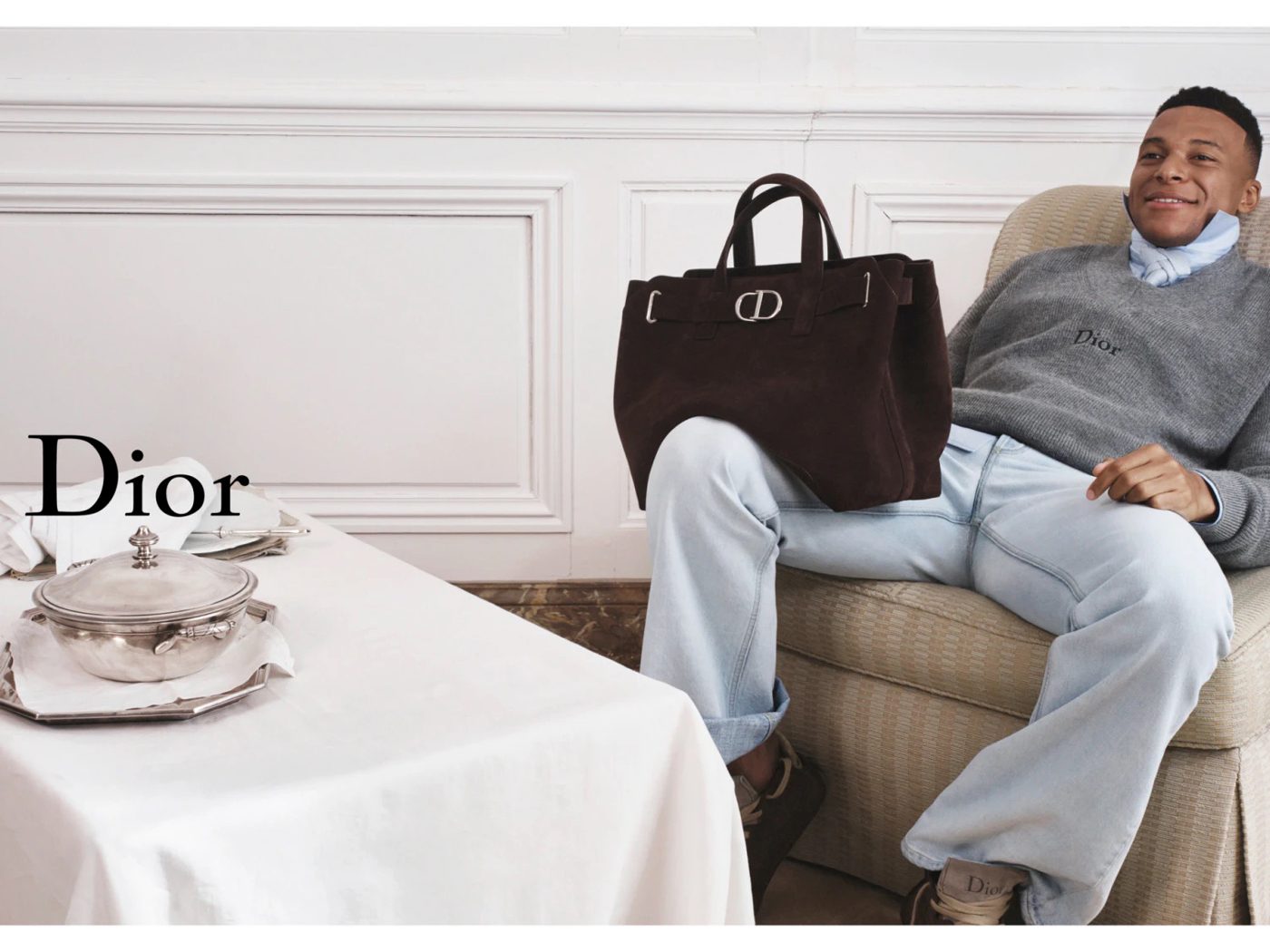

“Fashion is a form of ugliness so intolerable that we have to alter it every six months” – Oscar Wilde, The Philosophy of Dress (1885).
There’s the classic before-and-after trope of the “fashion girl” in film. She shows up to her first day at work in a frumpy skirt. Her wardrobe is regularly composed of unflattering, oversized knits in an attempt to cover up just how fat she is (she isn’t). She cannot walk in heels. She reads; hence, she wears glasses. And she carries a briefcase, or at least, some close approximation.
And then, it is up to some übercool fashion-adjacent side-character to take away her glasses – Clark Kent-style – and stuff her cellulite-laden limbs into stockings and new season Chanel. Et voilà! The main character is now main-charactering; Wilde’s epigram, which took six months, has been successfully condensed down to about 40 minutes of the film’s screen time.
But somewhere amidst all of this, the briefcase has emerged as the bad guy.
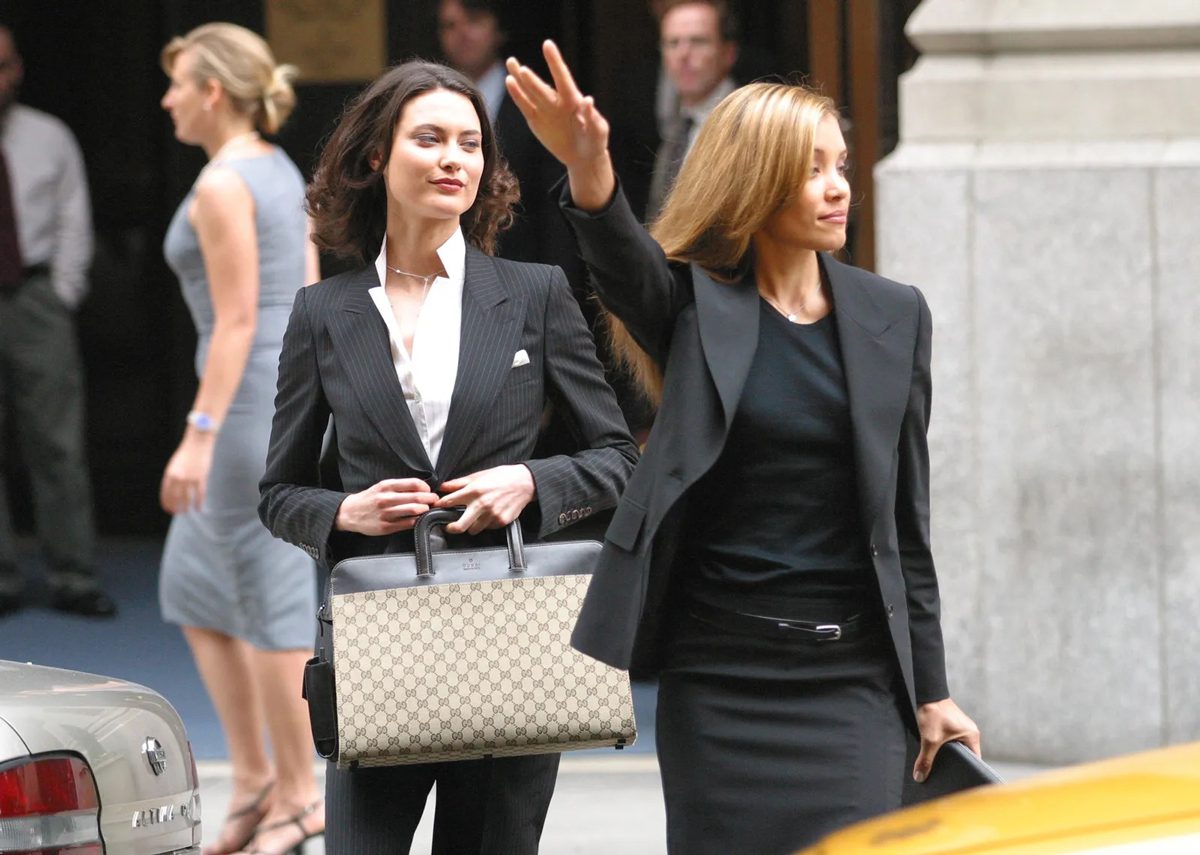
And while the dowdiest of knits have now been repurposed in a terrific way by the likes of Alessandro Michele and Batsheva, and the eyeglasses are the sultry accessory of choice to the office-siren, the briefcase continues to be derided.
Is 2026 the year the status quo finally tips in its favor?
The Case Against the Briefcase
However, the briefcase’s bad rap worsens.
Way before the likes of Andy Sachs and Betty Suarez graced our technicolor 2006 screens and ruined the idea of the briefcase forever in the minds of our six-year-old selves, the May 1975 issue of Vogue featured a model in a herringbone blazer, looking not-altogether-happy as she modeled “Hartmann’s legendary industrial belting leather” briefcases in exciting, fashion-forward colorways like Bright Navy and Coffee Crème.
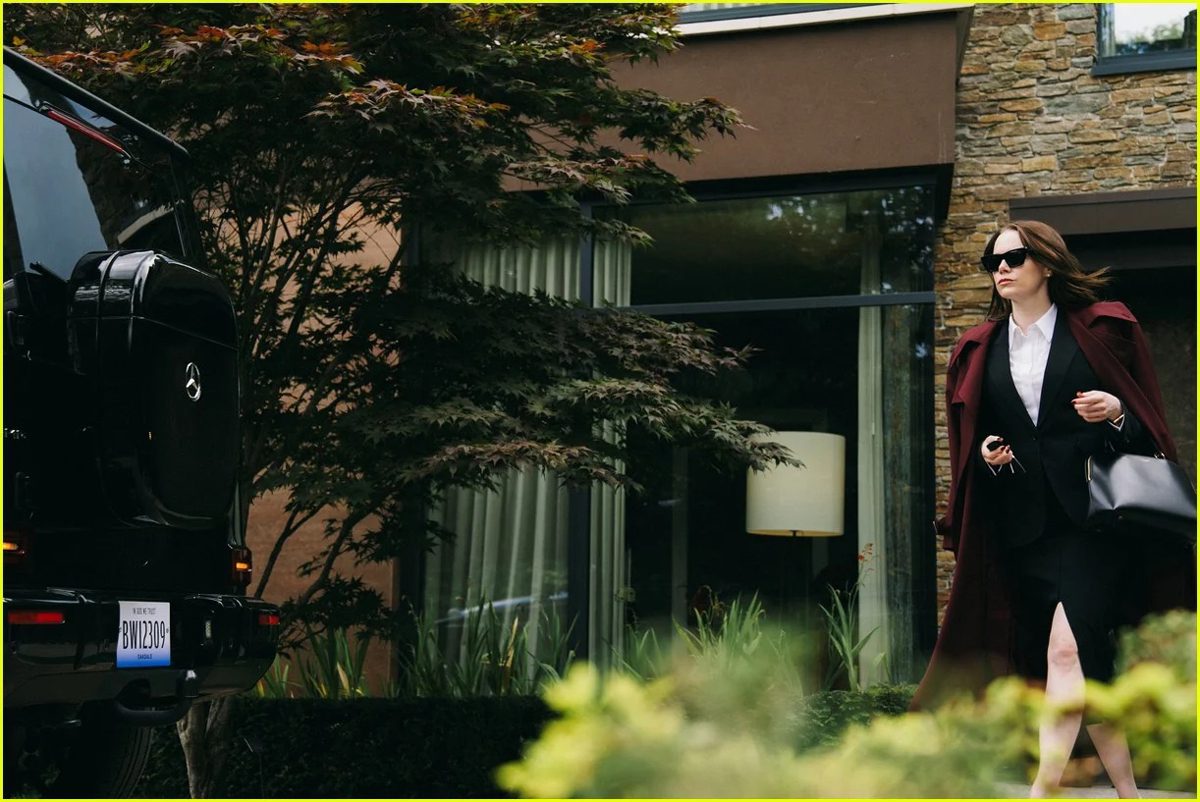
In Working Girl (1988), Harrison Ford presents the titular working girl Tess (Melanie Griffith) with an eyesore of a brown briefcase, as if to say, “Welcome to the working world.” And in the imaginatively-titled Beauty and the Briefcase (2010), aspiring Cosmopolitan writer Hillary Duff goes on an undercover psyop at an investment firm to find the love of her life, all the while pairing bodycon Hervé Léger with a structured blue croc number.
In the February 2007 issue of Vogue, Filipa Fino writes: “What’s exciting about a briefcase? Not much. Even the word itself evokes the boring, black clichés sold in cheerless supply warehouses.”
And in both Bullet Train (2022) and Pulp Fiction (1994), the briefcase is a staggering, testosterone-drenched affair of near-mythical proportions; a repository for Very Important Things, like a cool $10 million in hard cash and mysterious glowing magical, erm, stuff, respectively. Lunch pails and flat shoes for the subway, these are not. And neither is it particularly fashionable.
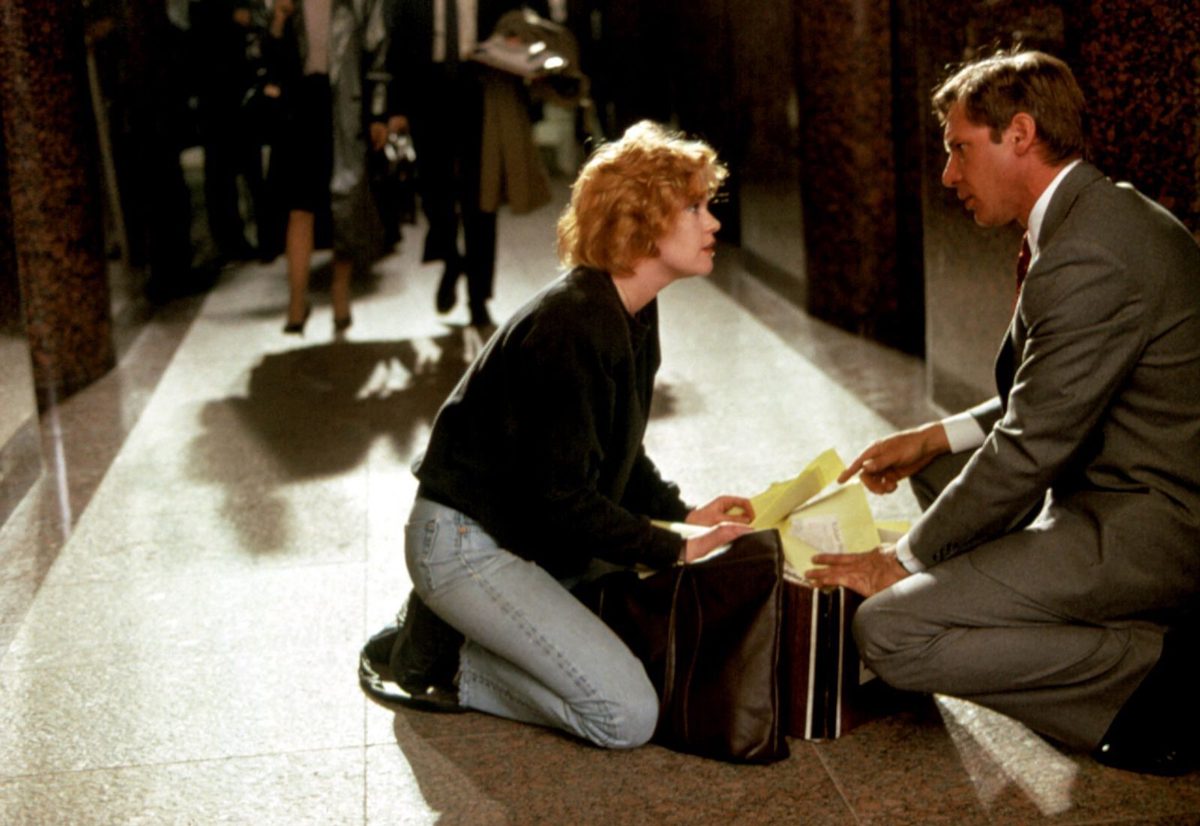
In fact, it was the exact antithesis of fashion. And that’s why it took us another Andy Sachs sighting, 20 years later, to get over our bias against the briefcase.
The Main Character Uniform Mainstay
By the year 2030, Gen-Z is set to make up 30% of the total workforce – which includes, for better or for worse, yours truly. And we know what that means, right? We’re bringing our “main character” energy from the TikTok feeds to the workplace desks. In related news, I cringed while writing this sentence.
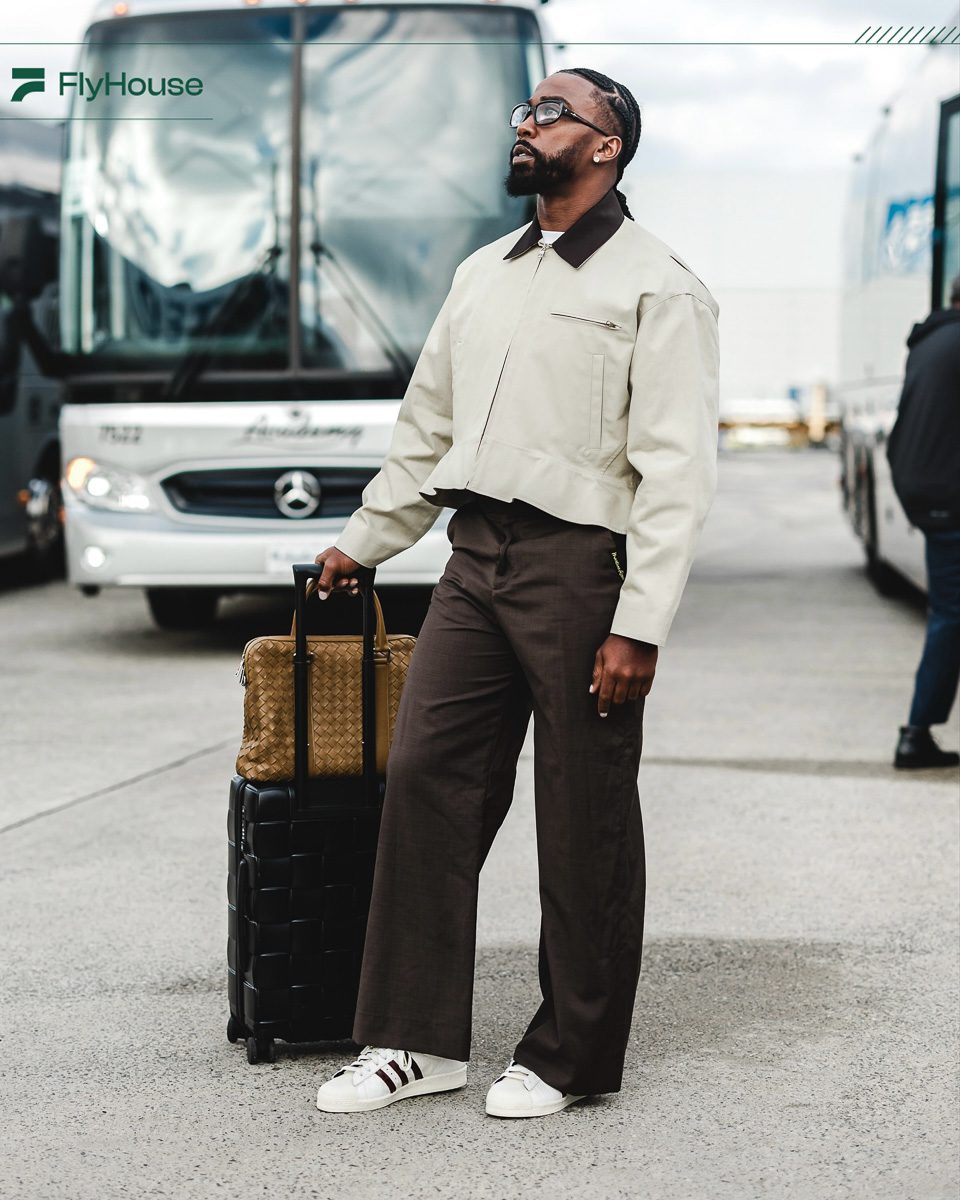
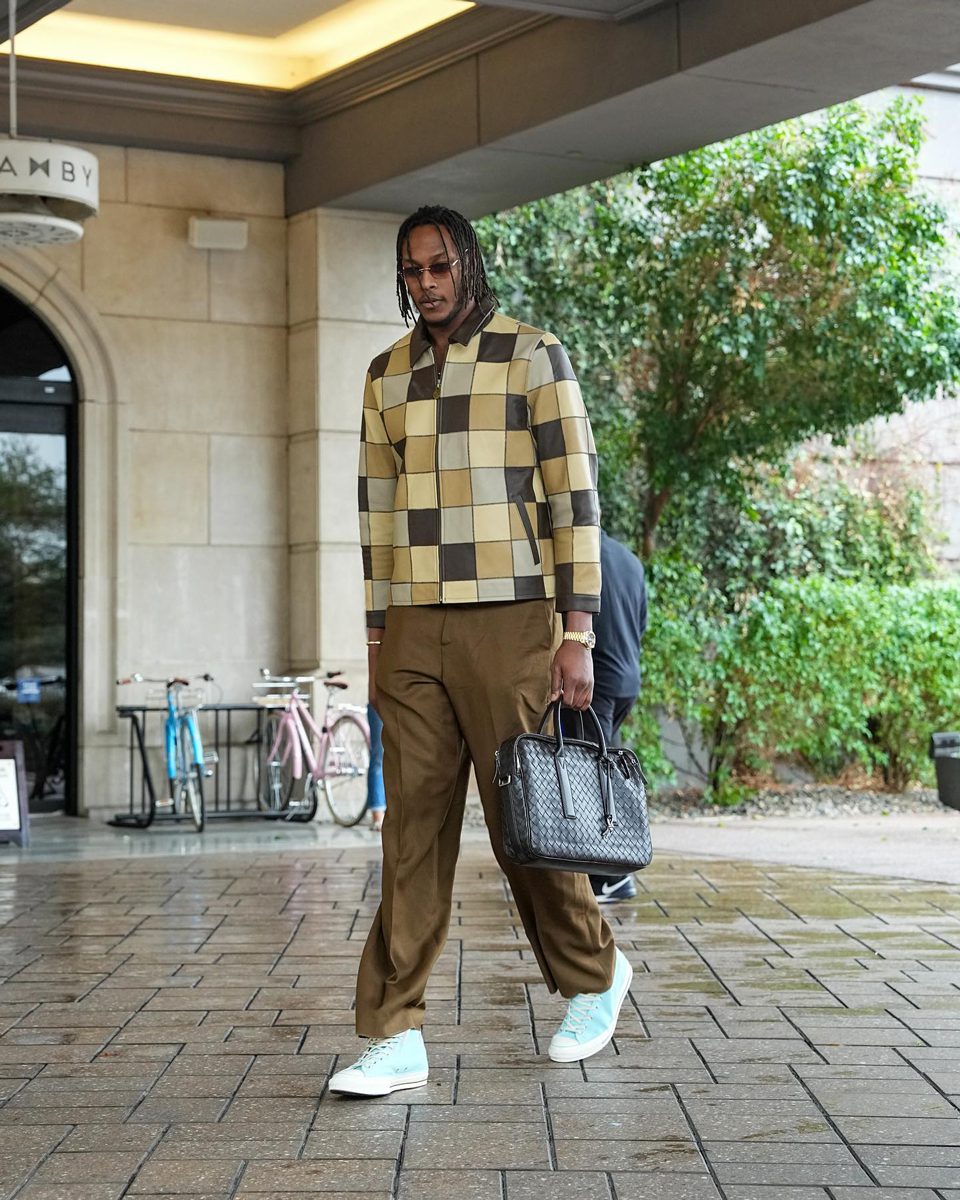
What this also means is that there’s an overwhelming desire to… work? Street-style swans now err towards suits, which also abound on runways from Vaccarello’s Saint Laurent to Stella McCartney’s corp-core craze, not to mention a recurring theme in the latest season of Emily in Paris.
Last year, WGSN outlined the burgeoning trend of 2026 as “therapeutic laziness” and “bed rotting” – or as Amy Odell writes, “rejecting productivity in favor of intentionally spending time in bed.”
But come 2026, it appears that we have charged into the new year with a newfound will to work and a renewed dread for the workplace. I, too, have eschewed my former favorite ripped denim in favor of pinstriped pants and Oxford shirts with a dramatic collar moment like I’ve walked out of a low-budget production of Mad Men or Dick Tracy, even if I’m not specifically buttoning up into a suit every day to pick up oranges at the fruit store.
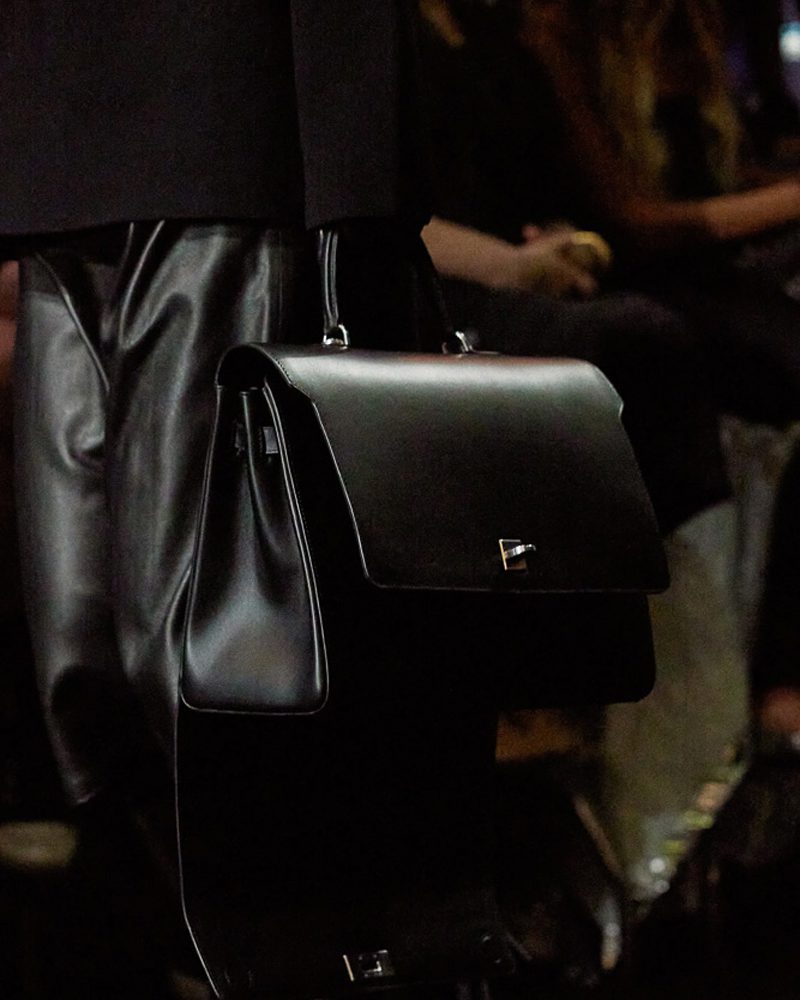
In paparazzi photos of The Devil Wears Prada 2, our very own Andy was spotted with a nicely-beaten-up vintage Coach briefcase in tow. Only now, she’s no longer headed to the ugly skirt convention, and instead to some boardroom meeting in Gaultier pantsuits and Phoebe Philo t-shirt dresses.
And in Yorgos Lanthimos’ Bugonia, high-flying exec Emma Stone is outfitted, as costumer Jennifer Johnson puts it, in “the most archetypal representation of wealth” from red-soled Louboutins, to a McQueen suit, and a briefcase-style Saint Laurent Doctor Bag. Do we need more proof that the briefcase is back?
Sincerely, Unapologetically, Elegantly Ugly
And this, dear reader, brings us back to our outdated ideals of beauty, a notion that Mrs. Prada has repeatedly perverted. We are transported back to 1996, when a pair of Prada “ugly-chic” platform heels—putrid brown, antiqued leather replete with floral appliqués—sold out completely and immediately: all 50 pairs produced in the UK at the time. Only three years later, for Spring/Summer 2000, Prada presented her Sincere Chic collection, whose pussy-bow blouses and pleated twinsets, in stark contrast to the ugly brand of chic she had cultivated, seemed transgressive in their own right.
All this to say, dear reader, that beauty is truly in the eye of the beholder.
For some, the briefcase conjures pre-moon landing visuals of men filing into a drab 1960s workplace in their grandfather suits, in an era when they truly did need to carry paper, files, and, well, briefs. So today, if “eclectic grandpa” can be an aesthetic statement on its own, why can’t the briefcase?
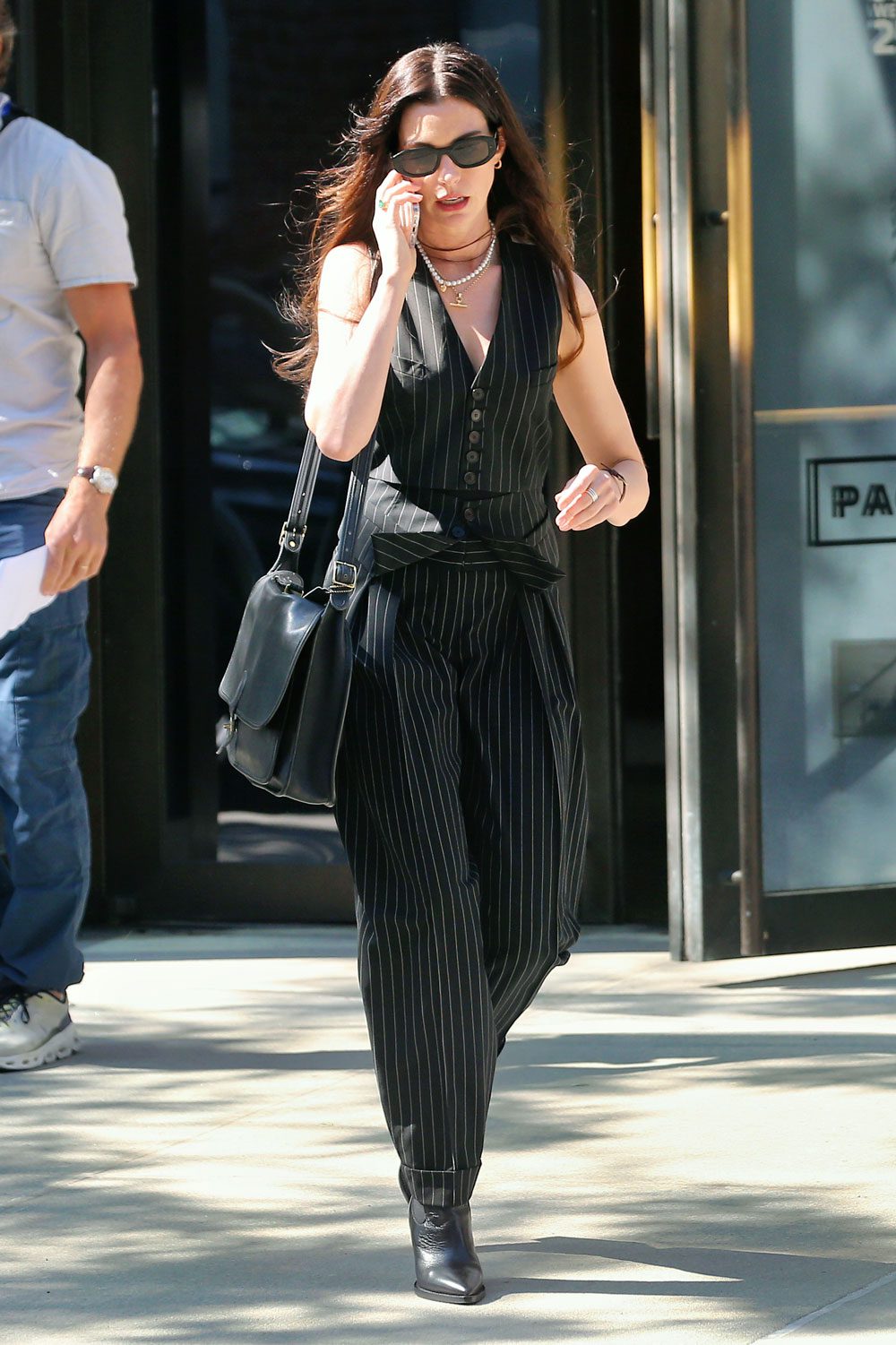
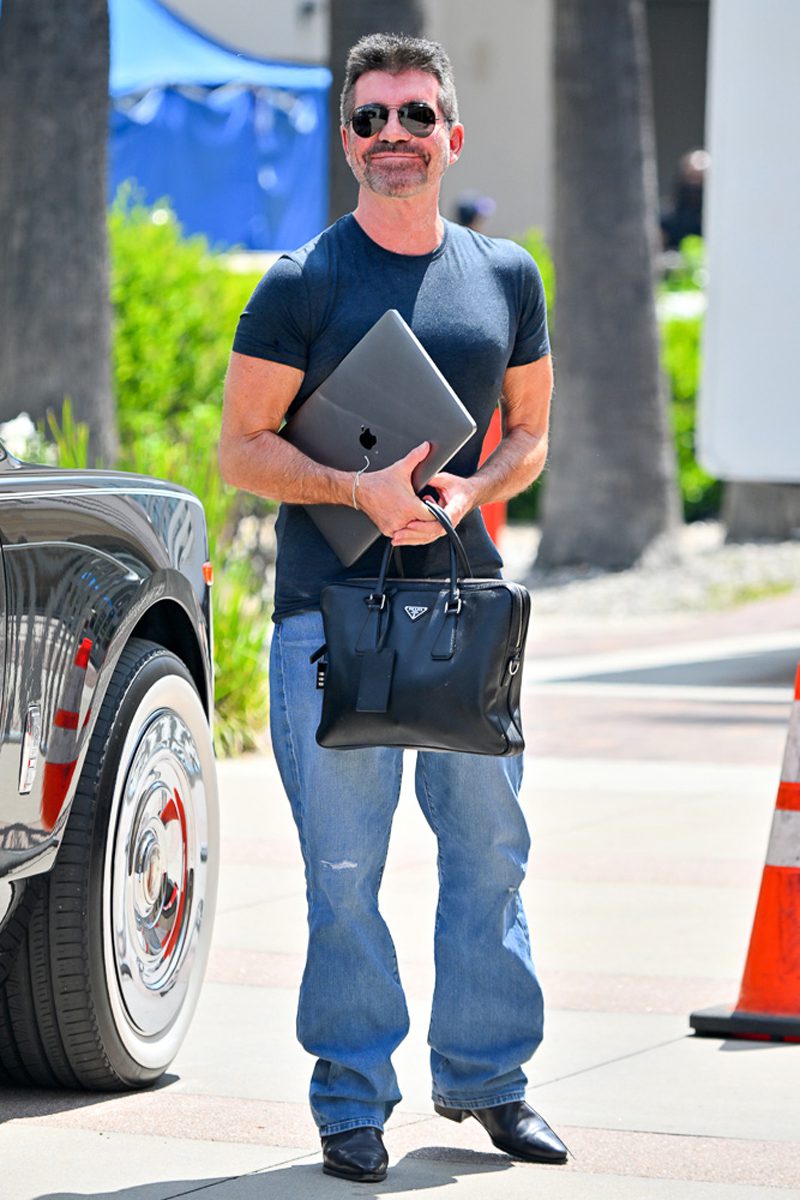
Fashion editor Margaux Anbouba, for instance, deems her father’s ancient sculpted mahogany briefcase “kind of unwieldy, but I feel powerful.” Katherine Bernard of Dazed loves to live her How to Lose a Guy in 10 Days life with a vintage Gucci briefcase, Shalom Harlow-style, paired with a pinstripe suit and slicked-back hair, ready to see you… In court!
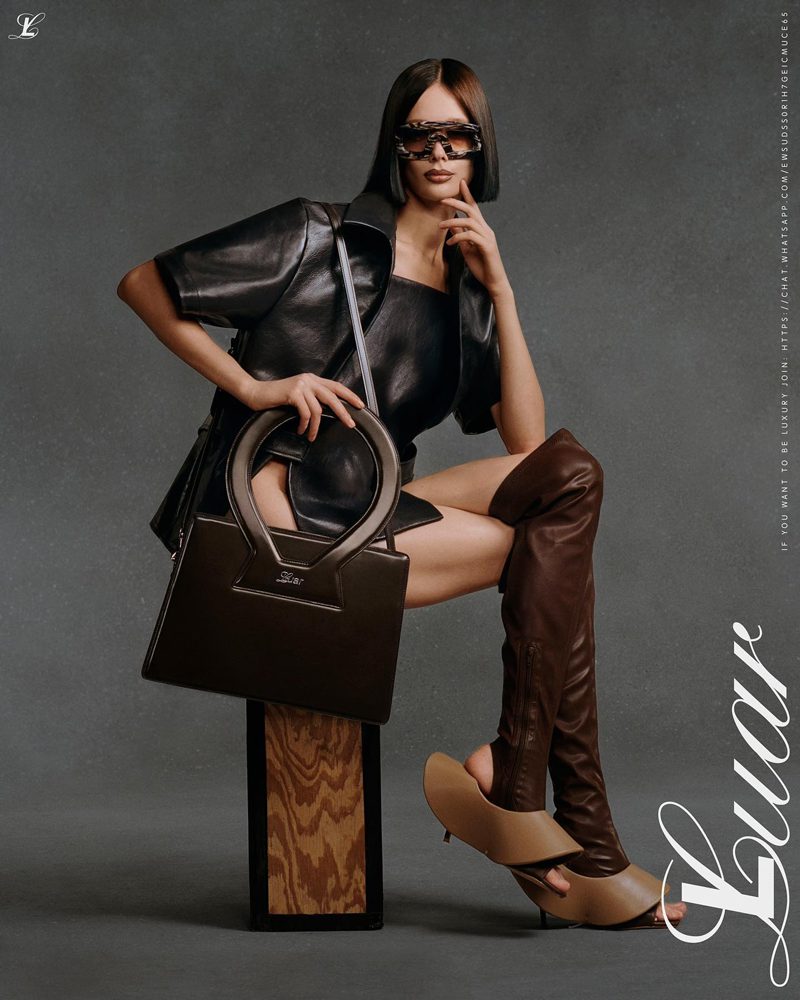
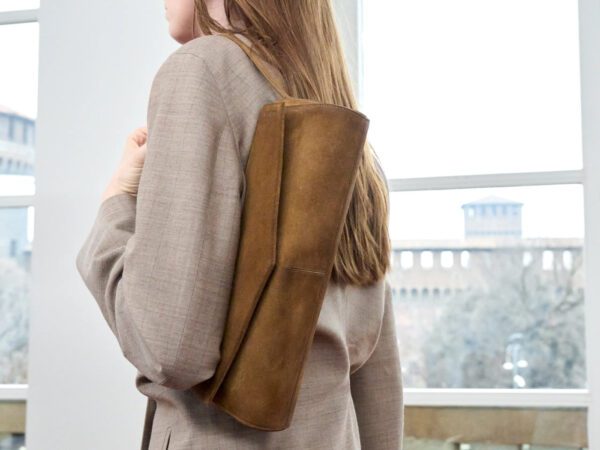
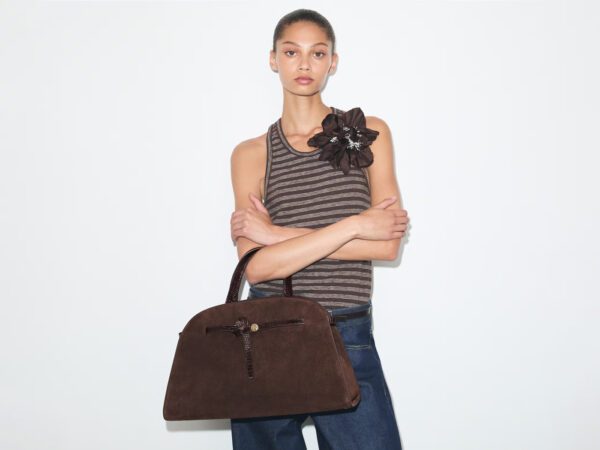
Luar’s Raul Lopez reinvented the sleek silhouette with a dramatically curved handle that contrasts with the otherwise shiny corporate aesthetic. Miu Miu’s briefcase-style bowlers were overflowing with swimming briefs, wedges, and other accoutrements to everyday life. Balenciaga’s resort 2023 collection showed off a cheeky reinterpretation with double-sided flaps that you could unbutton like a seductive invitation to someplace forbidden.
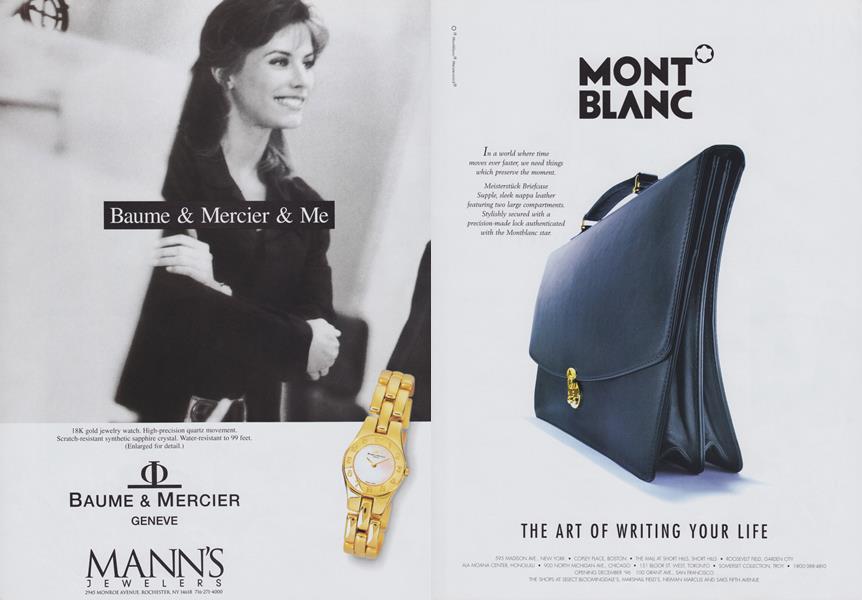
And truly, the briefcase is an object of beauty, even in its supposed ugliness. It makes a statement and imbues your otherwise banal outfit with a sense of direction. So, perhaps it was the Mont Blanc Meisterstück advert in Vogue’s November 1996 issue that phrased it best: “The Art of Writing Your Life”.
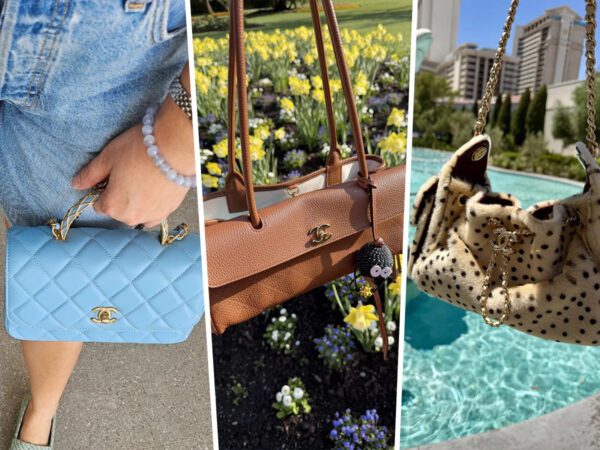
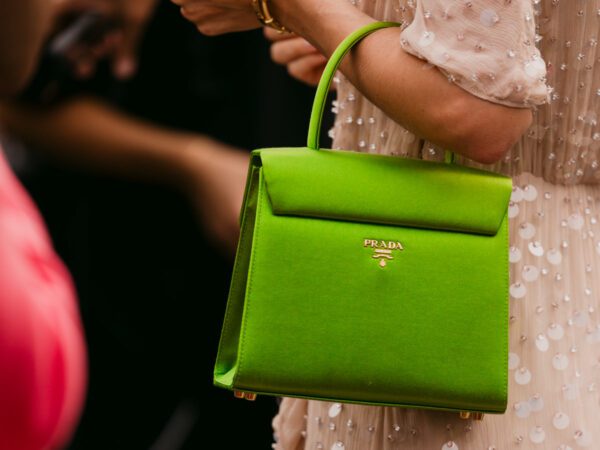
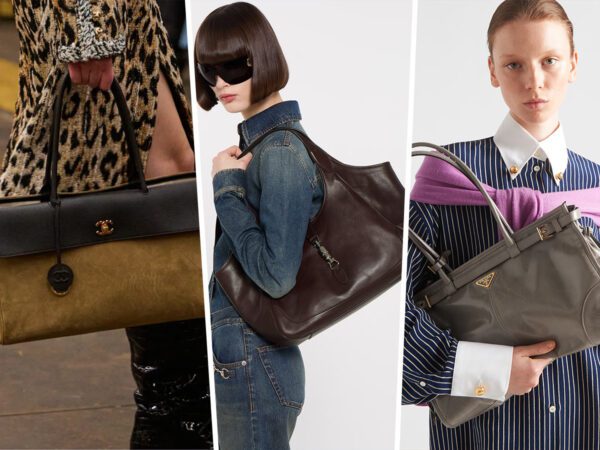
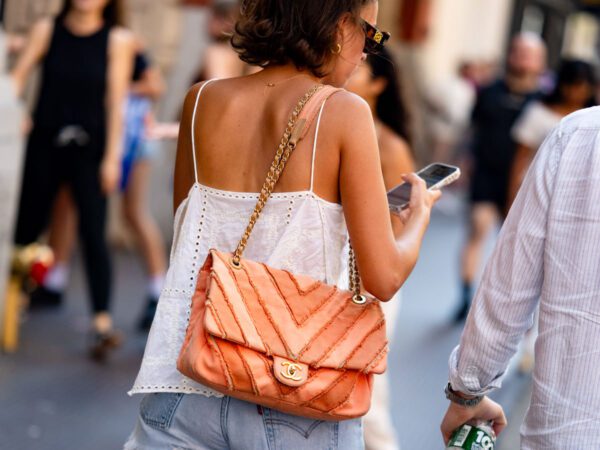
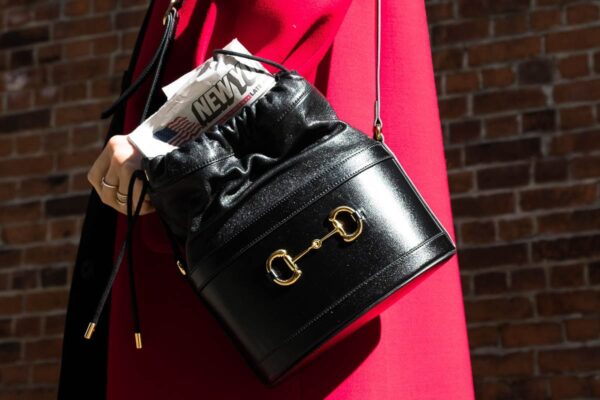
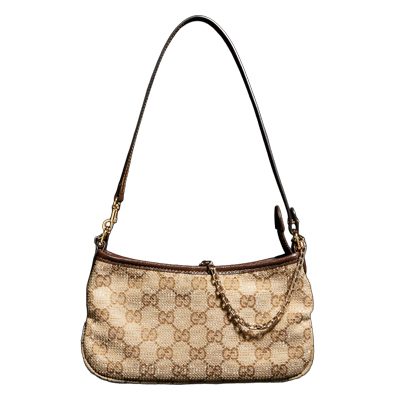
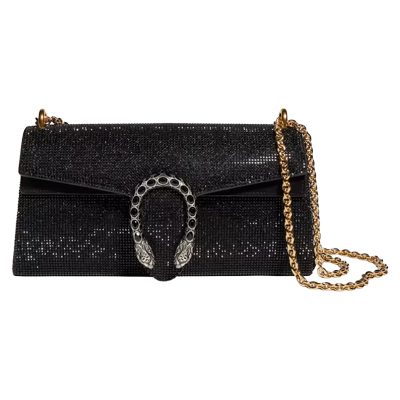
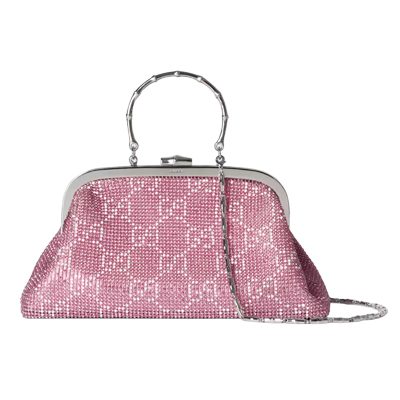

My all-time favorite is the Kelly Depeches (not the newer iteration).
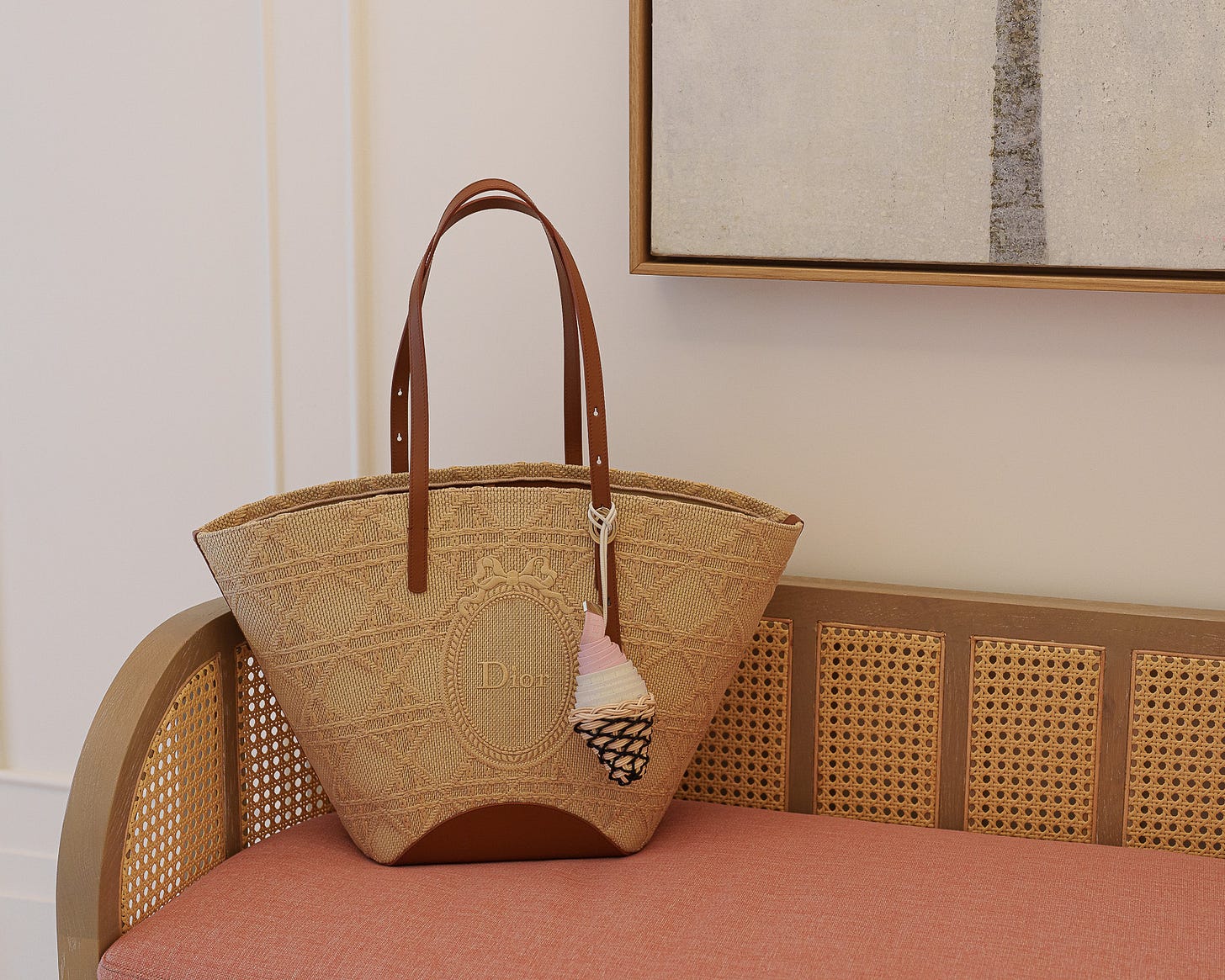
Dior Normandie also has a great silhouette. I prefer the version with the minimal logo.
I’ve been using my Lady Dior XL for work as well.
I have a heavy, thick, brown briefcase I bought during my first year as a lawyer. I did a lot of hearing coverage and spent a lot of time at the courthouse in my early days, and it got a lot of use. Now, it’s mostly used when I have a rare in-person court appearance (everything is Zoom post-pandemic) or when needing to travel with my laptop. I really like the style of some the slimmer, black briefcases like Saint Laurent and Montblanc make, but my thick one will fit everything — binders of documents, laptop, water bottle, snacks. Not fashionable, but practical for a day in court.
If you’re right, Sajid, and 2026 does become the year of the briefcase, I expect Kelly 35/40 sales to go stratospheric. I’ve always considered the 35 to be the perfect work bag (and day bag, and mom bag, and…).
Aside from the Kelly, though, briefcase styles do nothing for me. They’re so… stoic.
I love my Prada briefcases
I sold my original PDV in Macassar years ago and always regretted it. The newer versions were never the same.
Love your writing as always Sajid.
I’m not surprised about the shift in workplace fashion as this was going on even last year. I also wonder if the appearance of briefcases reflects a mindset of “function first” or “substance over style.” At least from a marketing standpoint, I could see companies catering to what people use on the day-to-day, and especially as handbags are being marketing more as unisex accessories, that would be beneficial to them as well.
Another take on this idea, perhaps a graver one, is that because more people need to work in a difficult economy, companies in general (not just fashion) are also encouraging a mindset of economic contribution amidst the working class, leading to increased contribution to sales. That may be a bit of a stretch though.
That aside, I don’t mind the office-wear aesthetic. As someone that takes influence from European fashion (I am in North America), the retro styles had a sort of prep-chic that office-wear aesthetic reflects.
What is the bag pictured next to the Luar bag, please?