

When I first fell in love with handbags nearly two decades ago as a pre-teen, it wasn’t because of their style or functionality. It was the instantly recognizable branding and the world they seemed to represent that drew me in. I’ll admit it—the world of designer handbags felt like an exclusive club, one I would have done anything to be part of.
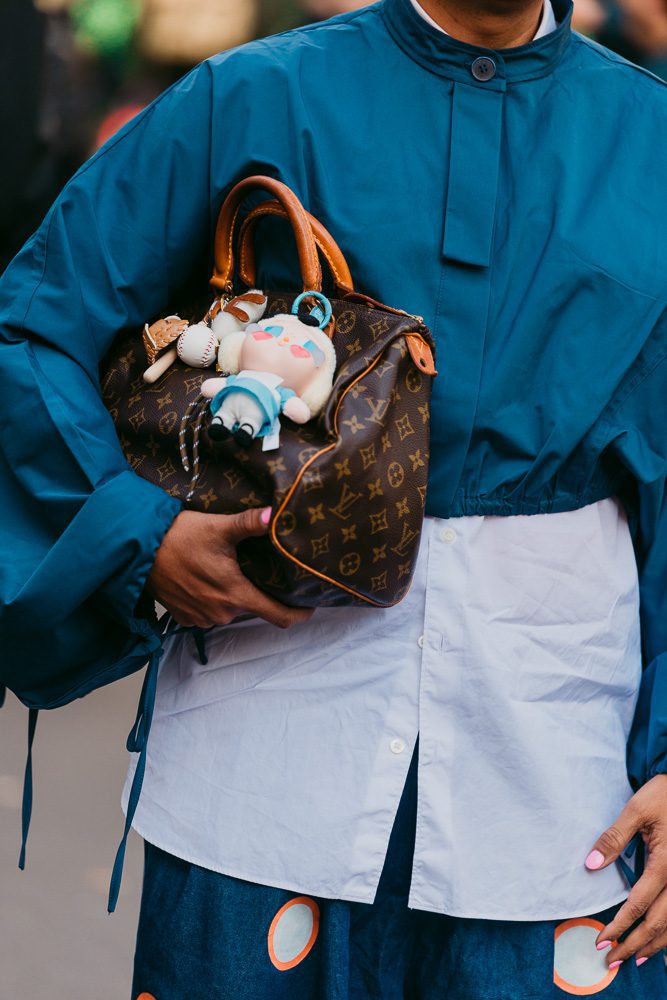
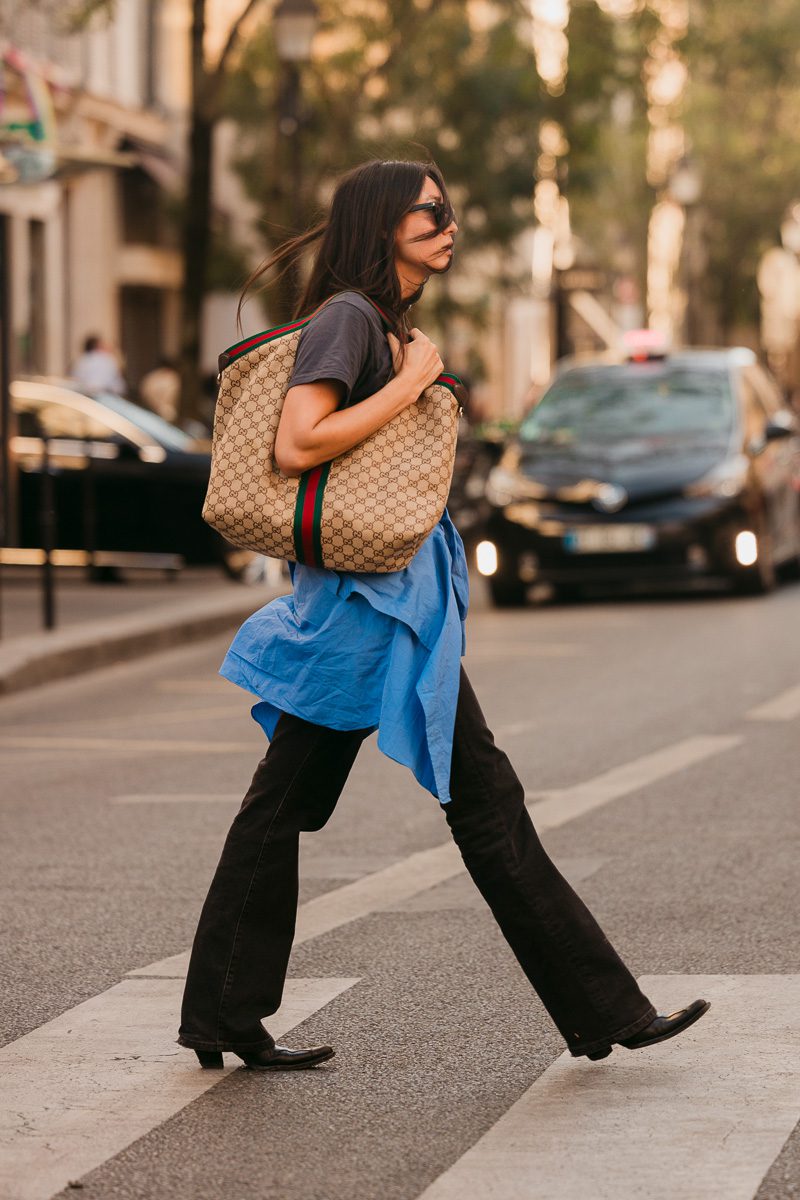
Like so many at the start of their handbag journey, I became enamored with designer logos and made it my mission to own the most iconic pieces from Dior, Louis Vuitton, and Prada. Eventually, I was fortunate enough to acquire many of the bags I had dreamed of in my youth, and my passion only grew from there.
Over time, my appreciation evolved. I began to value the quality, craftsmanship, and history behind each brand. While I never lost my love for logos (unlike some handbag enthusiasts), I did start to diversify my collection—branching out into more under-the-radar brands and styles beyond the classic monogrammed silhouettes.
The Brand vs. Value Dilemma
Still, I find myself hesitating when it comes to spending luxury-level prices on a bag that doesn’t carry a widely recognized name. Why is that?
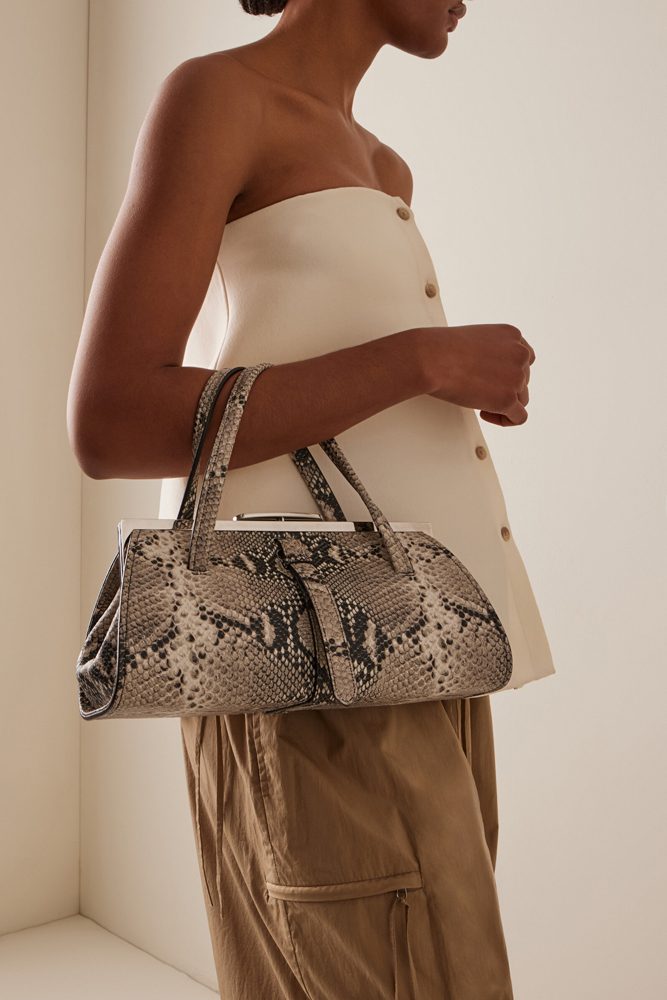
Recently, while browsing Moda Operandi, a beautiful handbag caught my eye. It was designed by American designer Brandon Maxwell, who launched his eponymous label in 2015 after years of working as a stylist. His brand quickly gained recognition, becoming a favorite among A-list celebrities and women around the world.
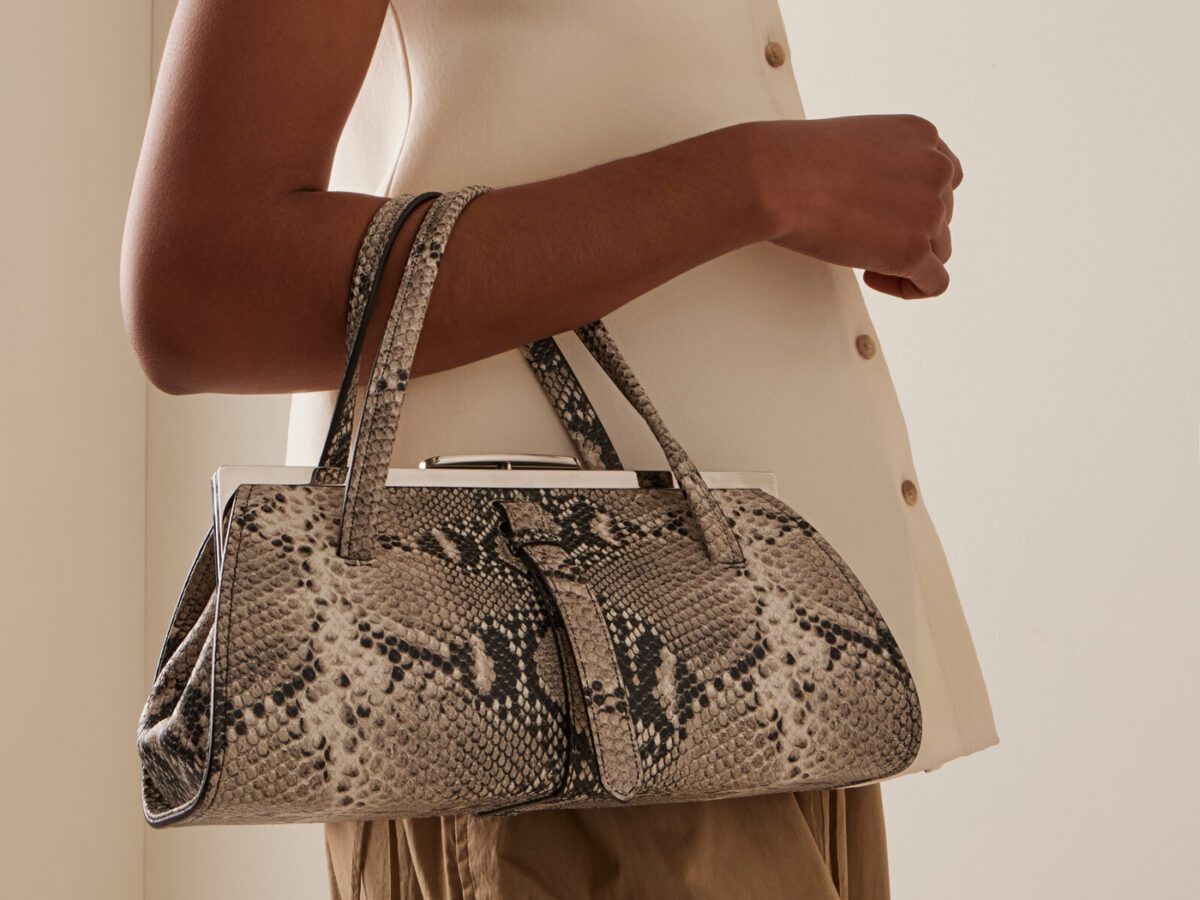
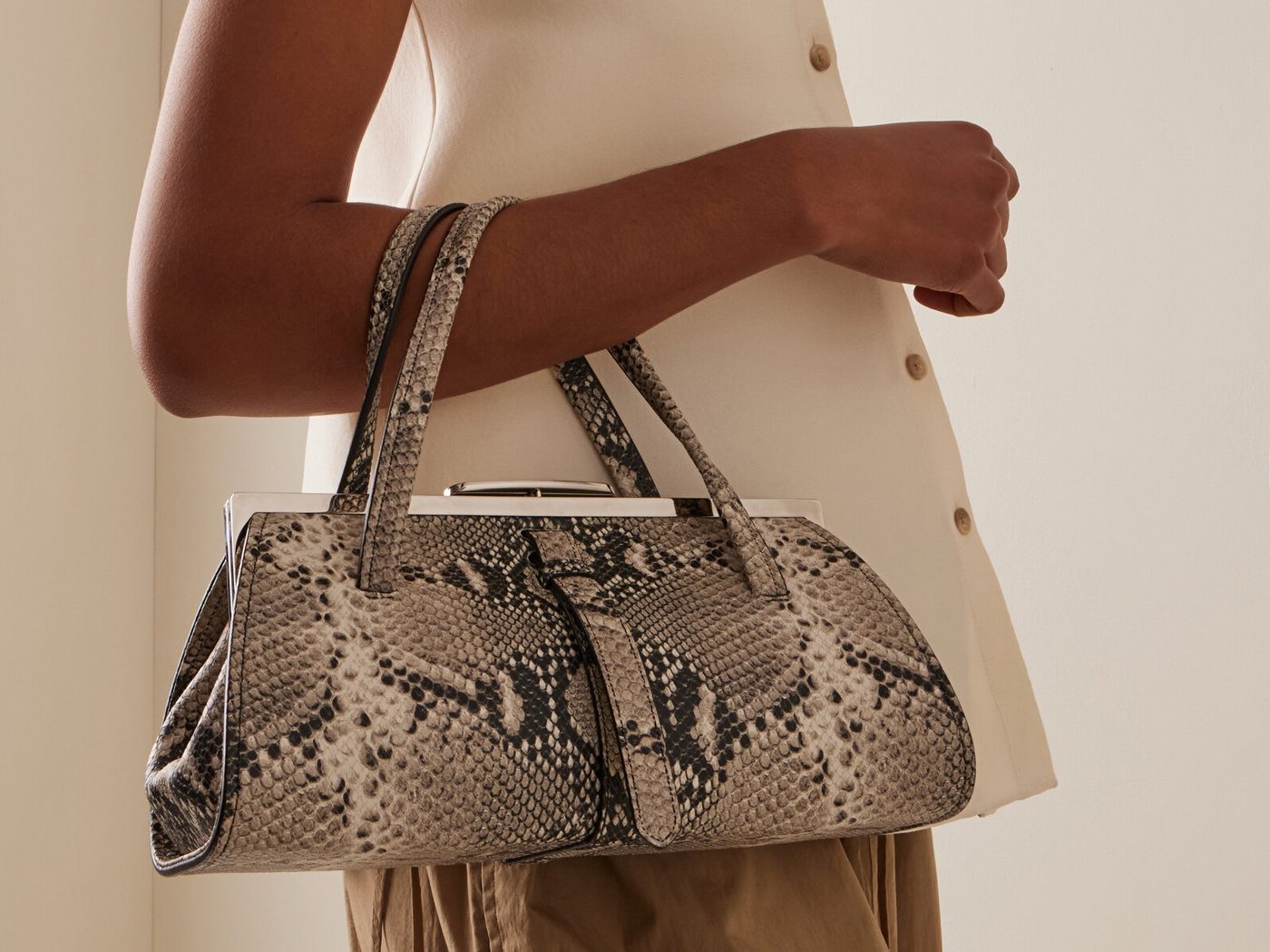
The brand launched its Signature Handbag Collection last year, but truthfully, I often forget that the brand makes bags. I was intrigued to discover that this sleek, semi-structured top-handle bag in python was, in fact, by Brandon Maxwell, and it stopped me mid-scroll long enough to warrant a second look.
Then I saw the price: nearly $3,000. My immediate reaction was that I wouldn’t spend that amount on this bag, despite its thoughtful design and the designer’s industry credibility. But why?
Perhaps it’s because, while understated pieces can be refreshing, they don’t always feel “worth” a luxury price tag without the backing of a well-known bag brand name. This sentiment isn’t unique to me. In discussions about emerging handbag brands, many share similar thoughts.
The Challenge for Emerging Brands
One commenter noted, “These don’t look like anything special—which is a nice change—but I don’t see what justifies this kind of price for a ‘no-name’ brand.” Oddly enough, Khaite’s handbags would go on to be a massive success.
Another added, “I like the simplicity and shape, but I struggle with new brands marketing their bags as designer while charging designer prices. For me to invest in an expensive bag, it needs to prove longevity.” Someone else responded, “At a certain price point, you’re paying for brand recognition, lifestyle, and status. These bags are beautiful, but they have to earn that price through strong branding and storytelling.”
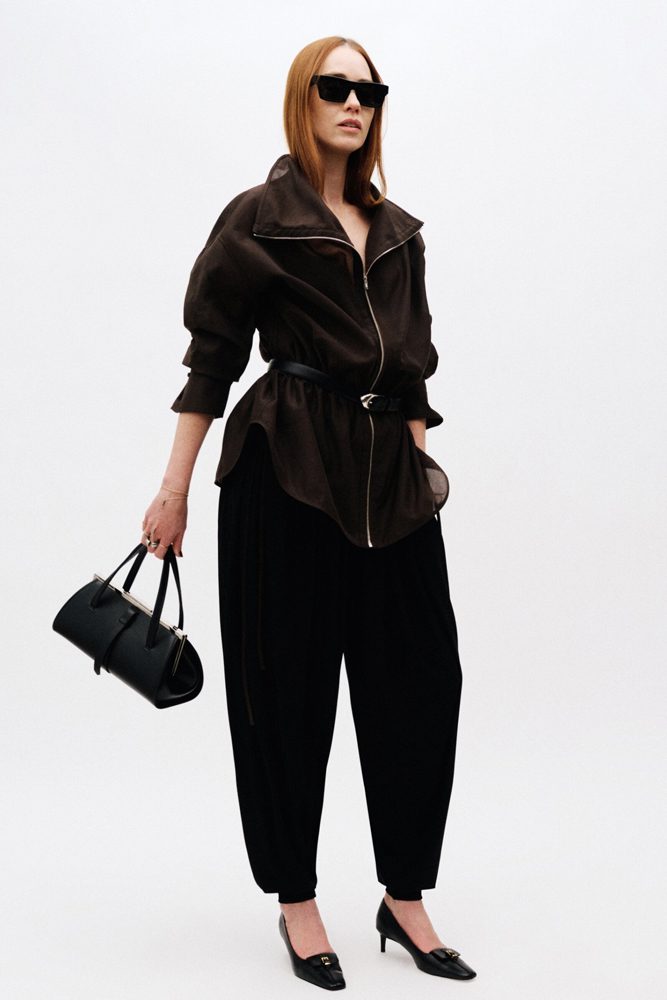
Pricing is clearly a challenge for emerging brands entering the handbag space. Set prices too low, and you risk conditioning consumers to expect a lower tier. Set them too high, and shoppers may hesitate to invest in a name they don’t yet recognize or trust.
So it raises the question: what’s the most you’d be willing to spend on a bag that looks and feels luxurious but comes from a lesser-known brand? And what would it take for you to invest in an under-the-radar label?
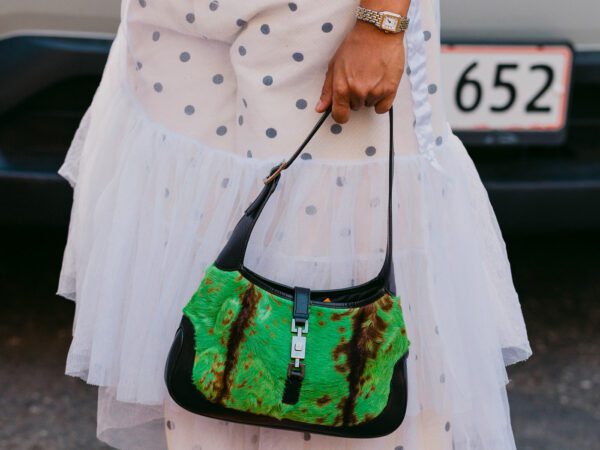
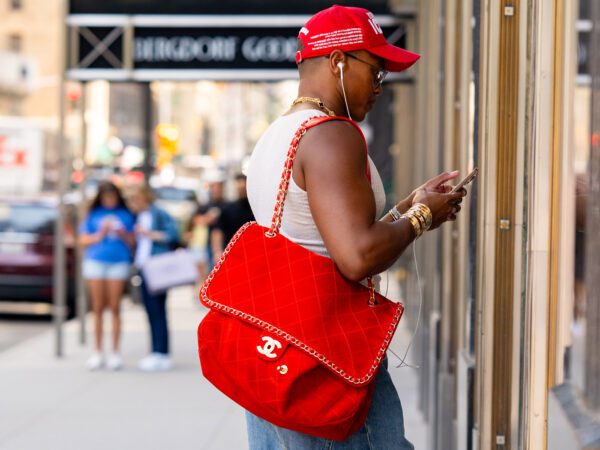
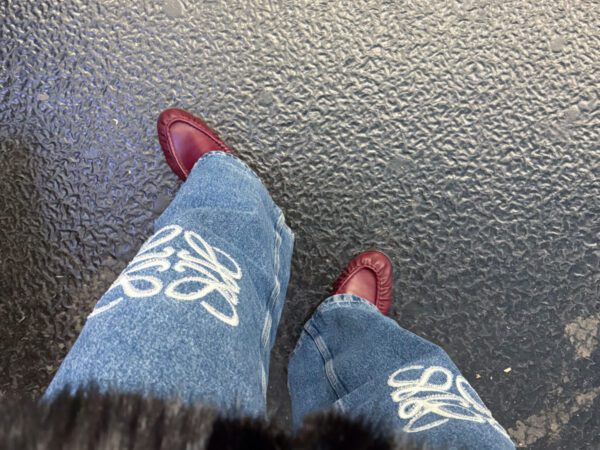
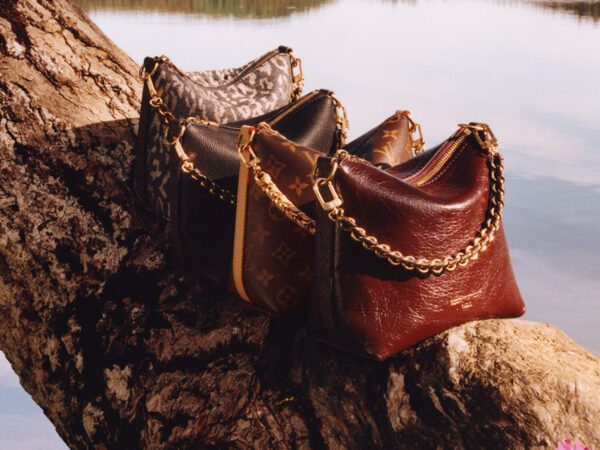
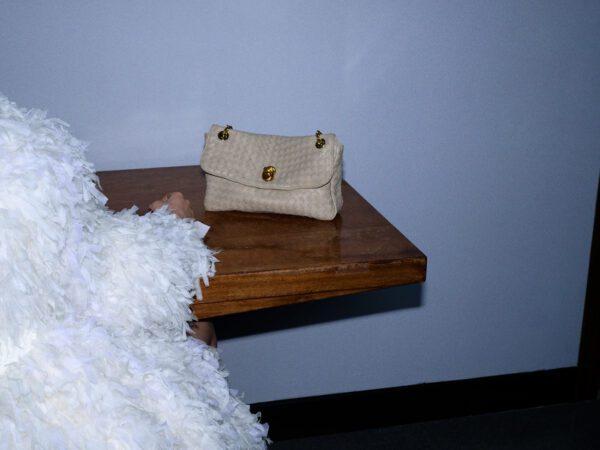
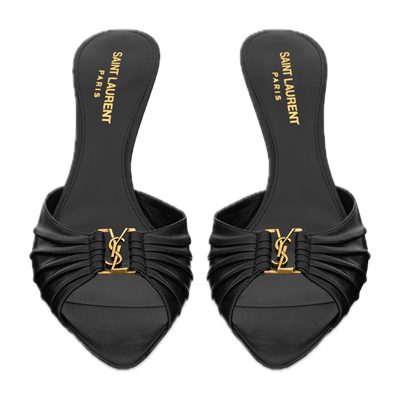
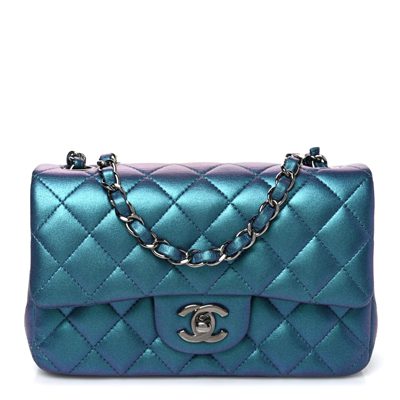
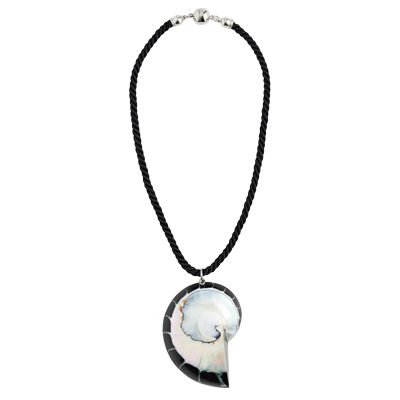
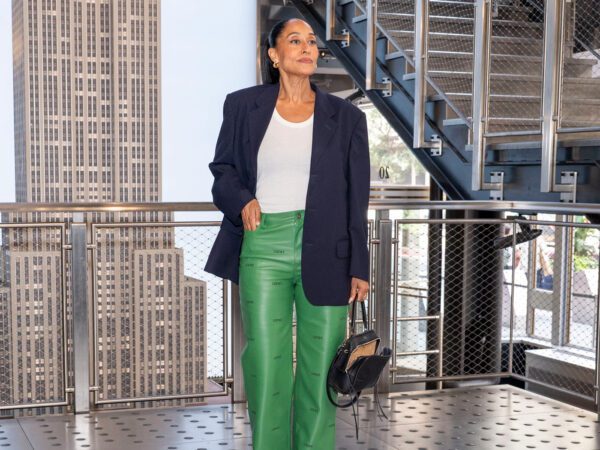
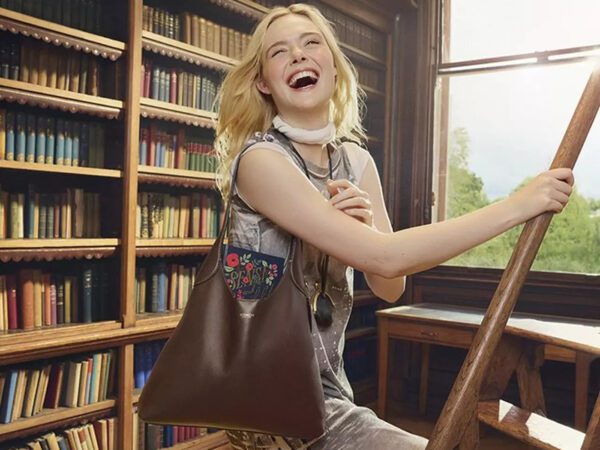
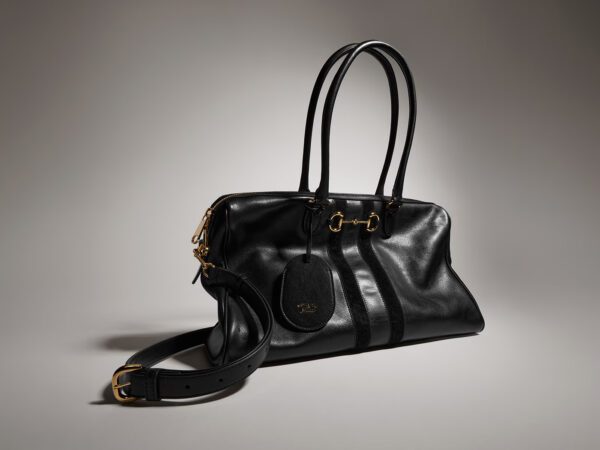
For me, there is no upper limit if a bag truly speaks to me. The way it feels in my hand, the little details, and its one‑of‑a‑kind nature matter far more than any logo. I often fall for under‑the‑radar brands for exactly that reason. Pieces from Primo Atelier in Bangkok or Lotus Arts de Vivre come to mind. The craftsmanship, the exquisite materials, and the sense of rarity make them so much more personal to carry.
It has never been about the flex. It’s the connection, and the quiet joy of knowing what you have.
I’m always considering what justifies the mark-up – is it some special material or hand-sewn craftsmanship? Designers like Peter Nitz, Jospeh Duclos and Mila Jito can charge these prices because items are bespoke with the finest materials. I don’t know about the Brandon Maxwell ones – ?
In the case of the big name luxury brands, the mark-up is lots of hype and marketing (which I don’t want to pay for) but at the same time it is also the longevity and status of the brand, and the fact that the big brands have staff and stores and infrastructure to assist in the event of problems. I know there are real quality issues with the big brands, but at least there is usually some kind of recourse if one of their bags is defective. With an emerging brand, it’s more of a gamble.
I also think some of the emerging brands charge big prices in an effort to appear more exclusive and luxurious…like a “look at how expensive I am, I MUST be special!” strategy. Not interested in that kind of smoke and mirrors.
Well said. I also thought about why I pay the premium, quite a bit actually because it’s really intriguing. I know who I am and the paying for “flex” is not it. Then what? I think I value the ease of mind, efficiency (in searching) and consistency (in general taste). I had one quality issue (which I didn’t notice but the brand reached out to me to offer a store credit.) in all the years. And since I didn’t really go for anything trendy regardless of my taste, nothing I grew tired of from the major brands.
It’s not all them, a major part of that is also me. I felt a bit more loyalty to the bags from major brands (I had them longer for one reason, also some of them were gifted as they were considered gifting-worthy.)
I just bought an LV Script East-West for my stepdaughter’s birthday. And she’s in 7th Heaven, oh the joy! I also bought her a Marc Jacobs Tote Bag about 9 years ago, and she returned it. This is to bring another perspective about whom neither bag was quite affordable. We can’t deny that some brands have the magic to lift spirits substantially.
This is a very valid point. Frankly I thought the same about The Row. Nothing special. If we are really talking about form and function both, a sea of nice things out there that priced actually right. Especially if you are looking beyond US offerings. I used to keep a rotation of them for going to work, extremely nice, yet not designer.
The prices we willingly pay for the designer brands are never just for the merchandise.
The Row is a great example. I love The Row clothing and shoes, a great deal of my closet is the brand, I have never purchased a bag from The Row. I am sure the craftsmanship is wonderful, the bags are a bit boring. I guess if your clothing is understated you prefer a bag with a little more pizazz. Yeah, I guess I want my bag to be iconic, recognizable.
Couldn’t care less about history. So many of the brands have entirely made up foundation dates…
Plus with how creative directors come and go, house style often goes out the window… Every couple of years it feels as though you have to switch to a different brand.
Personally creative vision of the creative director and quality of the product far outweigh any other characteristic.
These days the independents are getting easily in the 15 – 25 USD for a saddle-stitched croc bag and the quality is usually better than the established houses. (So much for history 🤣)
One of the key factors for me is the resale value. I want the option of being able to move a bag on if I eventually change my mind. Lesser known brands just don’t hold that value.
I feel new brands with excellent craftsmanship should charge their costs plus markup for a profit, but not charge comparable prices to established luxury brands. With an established brand you are paying for the bag, the quality (one hopes) and the costs of those companies having massive OH costs such as advertising, brick and mortar locations, etc. And of course, just blatant charging because they can…But at least we know this going in. A smaller “luxury” brand is not going to be building a hotel on the Champs Elyees in Paris or have a restaurant on the roof of their flagship in NY. Our bag purchases pay for all of that as well as C-suite salaries with the big brands. So a $3K bag at a smaller company vs. a $3K bag at LV feels like it’s just a cash grab.
$600, which is exactly what I paid for my suede hobo from Songmont
This one looks like it should be $200
My most worn bag right now is the toteme t lock clutch. I think it was around $1000 Canadian dollars when I bought it and it has held up really well. I think $1500 is my max for a relatively unknown brand.