
As someone who spends an inordinate amount of time consuming the discourse around all things film and all things fashion – not to mention the extended, essential-viewing multiverse of the fashion behind films, films about fashion, fashion that mines inspiration from film, and films that linger uncomfortably around fashion without quite naming it – today, dear reader, I write of a subject especially close to my heart.
But as is often the case with things close to our hearts, it’s also a subject that’s proven incredibly difficult to write about, if for nothing else than the sheer volume of source material there is to work with.
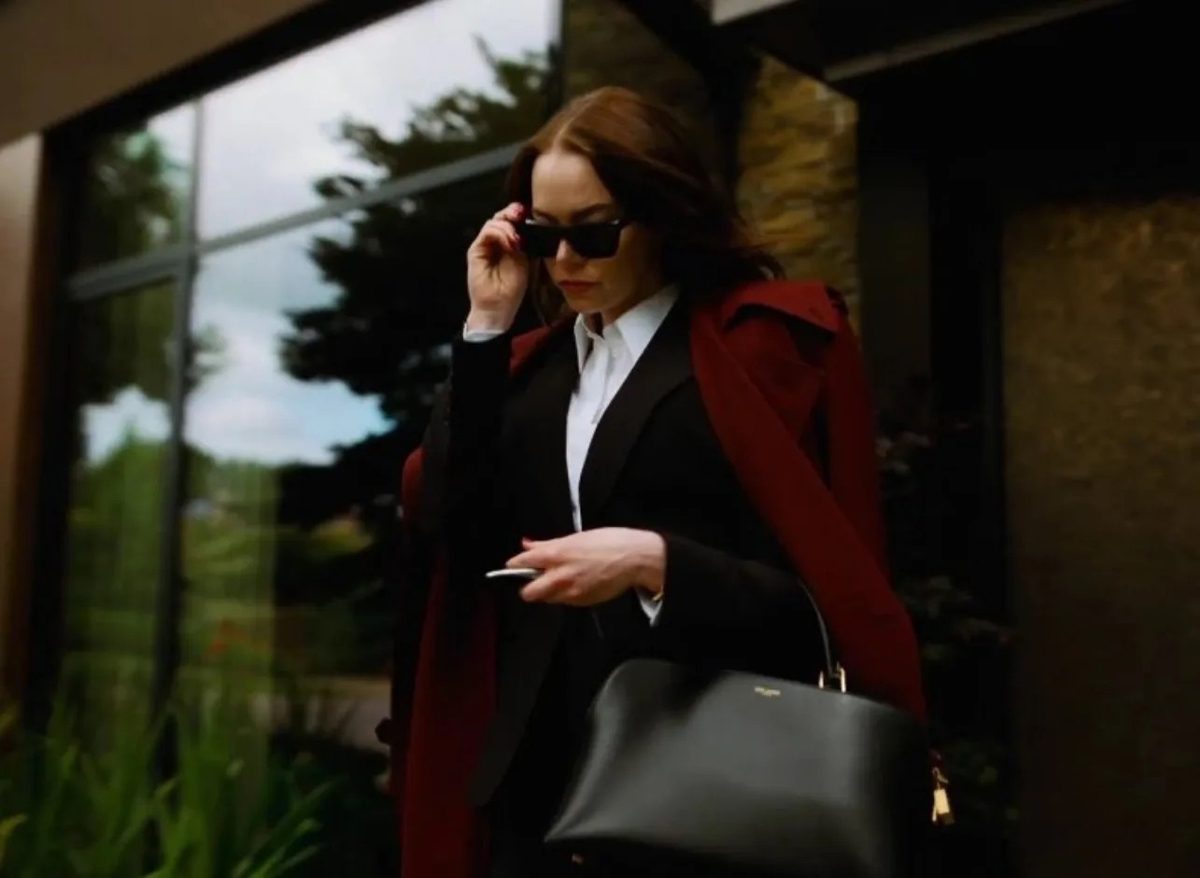
After all, I could go on for hours about the languid loucheness of Dickie Greenleaf’s half-unbuttoned linen shirt in The Talented Mr. Ripley (1999). More than her ludicrously capacious coat, it’s Penny Lane’s Levi’s in Almost Famous (2000) that I obsess over; just as I do over Andy’s Chanel boots in The Devil Wears Prada (2006). I’m as quick to decry the consummate fakeness of Samantha’s Birkin in Sex and the City 2 (2010) as I am to appreciate Emma Stone’s structured Saint Laurent satchel in Bugonia (2025).
Therefore, the prospect of condensing everything from Audrey Hepburn’s impassioned working kinship with Hubert de Givenchy in Funny Face (1957), to Sofia Coppola’s affectionate depiction of Marc Jacobs clothing celebrities for the courtroom (“Come to me; I’ll dress you for your trial,” he chimes) in Marc by Sofia (2026), all within a single piece feels particularly daunting.
And as much as Michael Corleone might insist, “It’s not personal, it’s strictly business,” in The Godfather (1972) – in immaculate tailoring, no less! – he’s not quite right. Because to see your favorite parasocial protagonist dressed a certain way does feel personal, even if it is strictly a business decision.
That’s probably why so many fashion houses are doing it these days.
Everybody Wants This. Everybody Wants to be Us.
If The Devil Wears Prada shaped our collective understanding – and subsequently, supplied the likes of yours truly with a (not-entirely-realistic) career-bible – of what it is like to work in fashion, It is a rather obscure 1994 film from Robert Altman that does much of the gruntwork of bringing the reality of the French fashion and film industries to the forefront.
“The truth is,” Roger Ebert reviewed at the time, “there is a lot of doggy-doo in Paris.” And Altman’s film, Ready to Wear (“originally titled Prêt-à-Porter before it was determined that Americans speak English”), he deems, uses the metaphor “as a motif for the French fashion industry, in which people are always stepping in something, so to speak.”
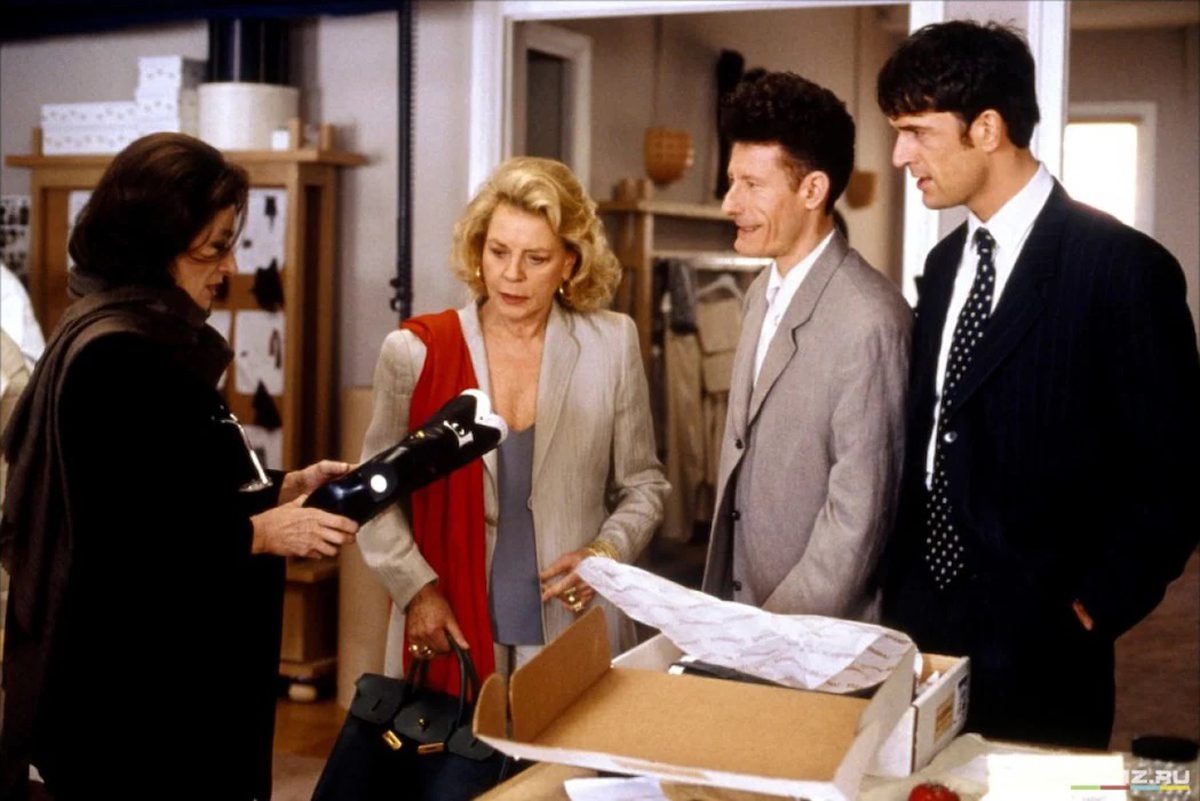
Time magazine’s Richard Corliss dubbed the movie a “hate-letter” to the fashion industry, The Spectator jumped on the hate-train saying, “You can’t satirize industries that are self-satirizing.” Karl Lagerfeld was understandably mad about all the canine defecation, while Ebert marveled at it: “The amazing thing is that all French movies aren’t filled with it.”
But perhaps the most earnest – and accurate – take came from Patrik Sandberg’s Letterboxd: “could film ever fully capture the fashion world, could the fashion world ever truly love an outsider’s film?”
But fashion’s fixation with film – and vice versa – dates back further.
Audrey Hepburn – who famously splashed some of her Roman Holiday (1953) pay cheque on a Givenchy coat – brought Hubert de Givenchy on-board to costume her in Funny Face, a fashion-forward affair that further featured Maggie Prescott as a thinly-veiled Diana Vreeland caricature, as well as images from Vogue photographer Richard Avedon.
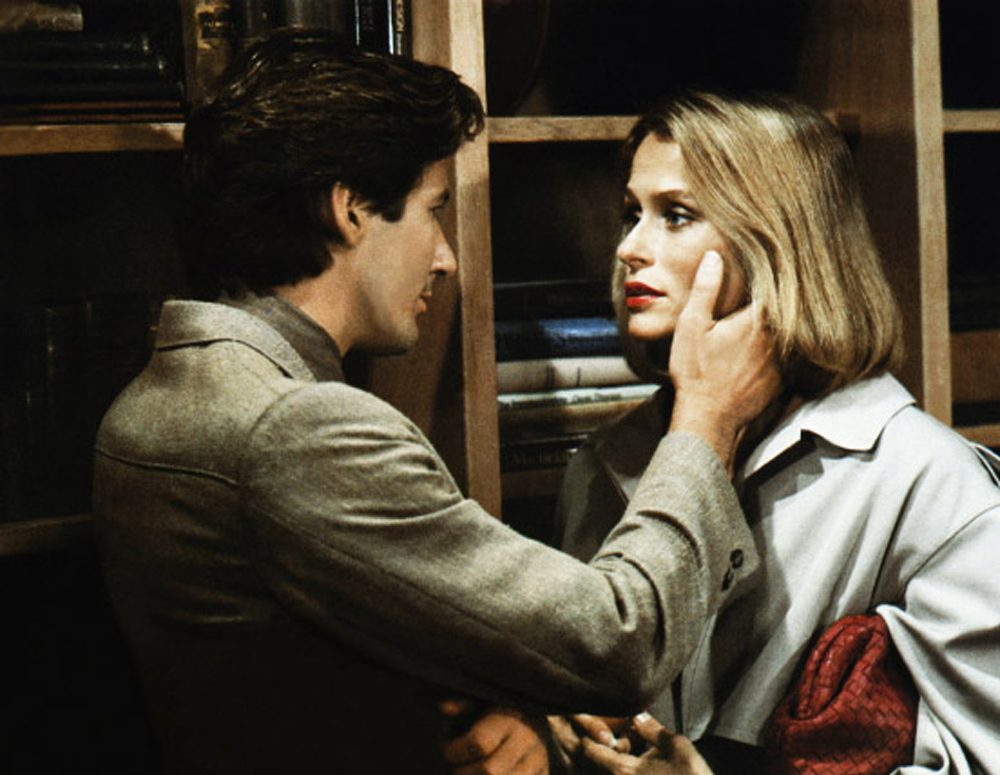
/imageMarlene Dietrich reportedly insisted on always being dressed by Dior, while Catherine Deneuve’s vinyl Yves Saint Laurent trench-coat in Luis Buñuel’s Belle de Jour (1967), Armani’s slouchy tailoring and Lauren Hutton’s Bottega clutch in American Gigolo (1980), and Grace Jones’ hooded Alaïa number inA View to a Kill (1985) are by now cultural plot-drivers on their own right.
But after years of red-carpet dressing and product-placement, fashion labels began to ask, “Why not make the films ourselves?”
The Fashion of Film & the Film of Fashion
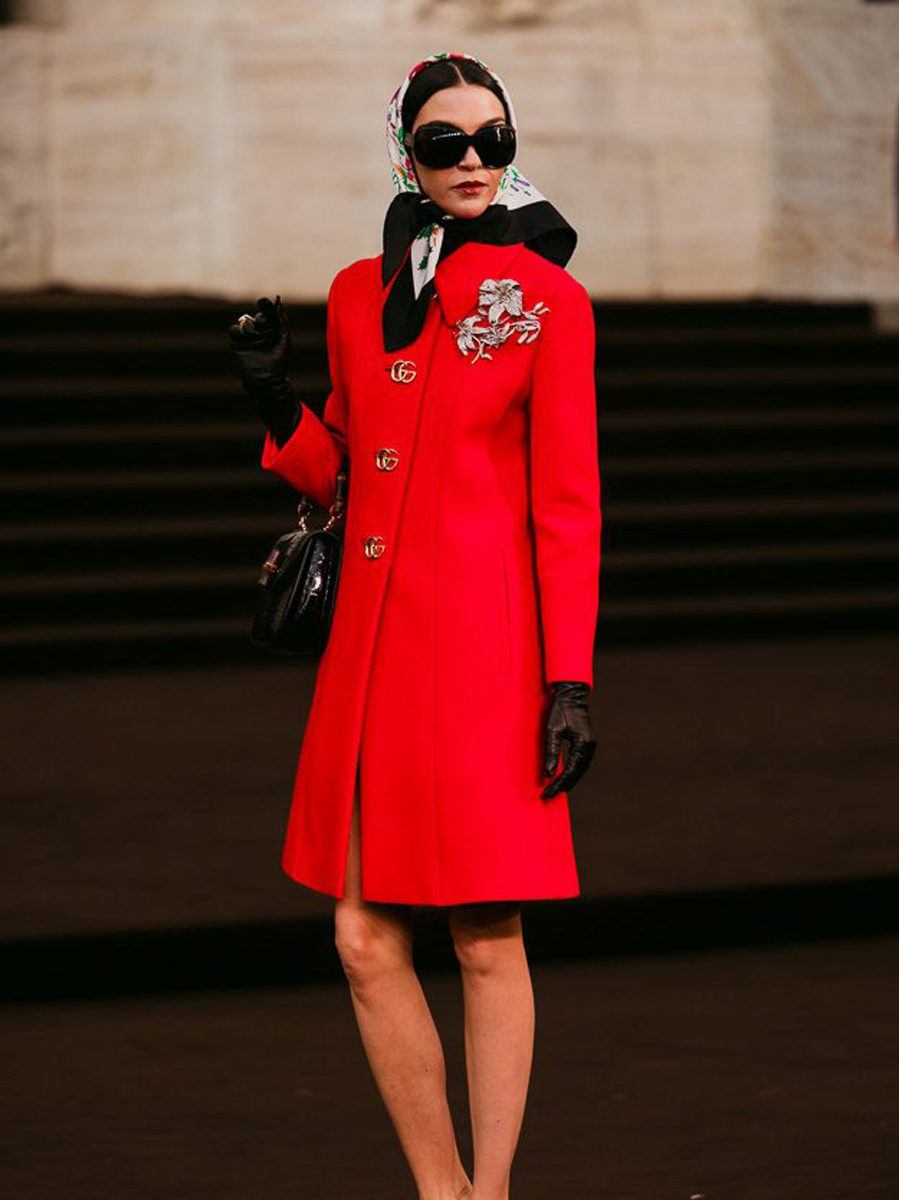
When Demna debuted for the House of Gucci last year at Milan Fashion Week, he dispensed with the runway altogether, and instead, invited attendees to the premiere of The Tiger: a 33-minute drama directed by Spike Jonze and the Halina Reijn and featuring Demi Moore as Barbara Gucci – head of dysfunctional fictional fashion dynasty, Gucci International, and owner of the state of California – living through a fever-dream of a birthday dinner-party with the rest of her Gucci clan, all clad in the label’s SS26 collection.
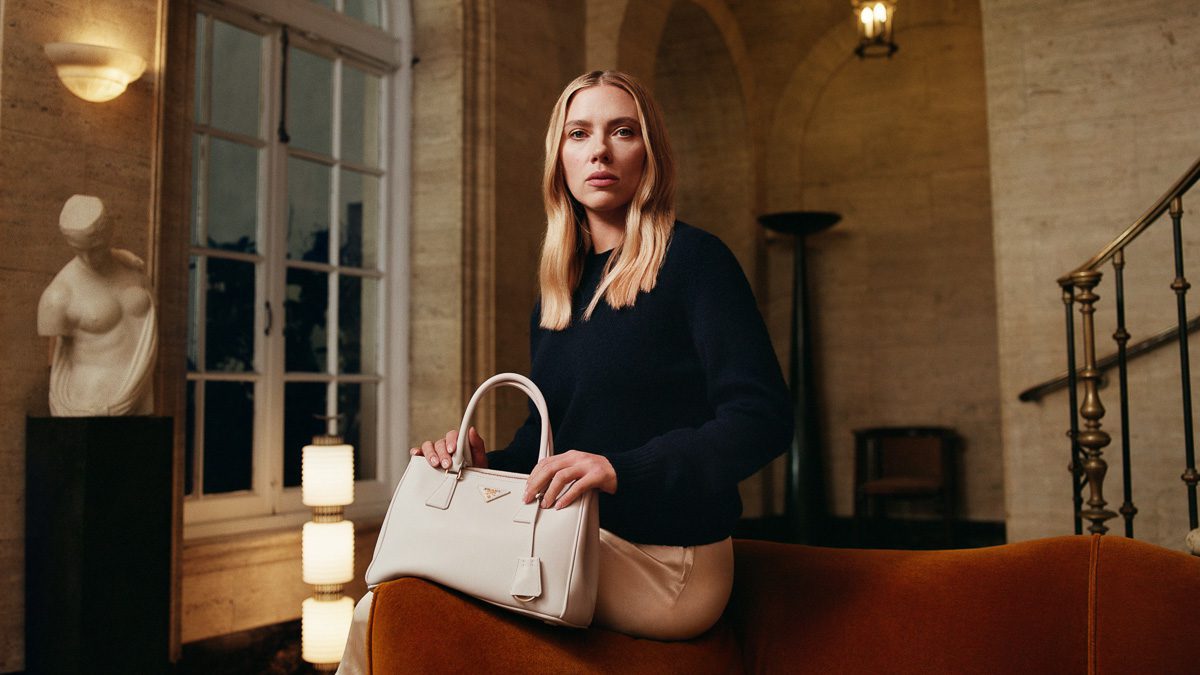
Just a week before, Prada dropped Yorgos Lanthimos-directed short-film, Ritual Identities, an equally jarring, mind-boggling affair that traces Scarlett Johansson in her witchy attempts to clone herself via “rainwater that drips from a non-blooming cherry tree” and “the recorded barking of a medium-sized dog,” all with a Prada Galleria in tow.
Still, it’s Saint Laurent that has gone the furthest distance – collapsing the wall between culture and commerce entirely with its in-house production company, Saint Laurent Productions in 2023.
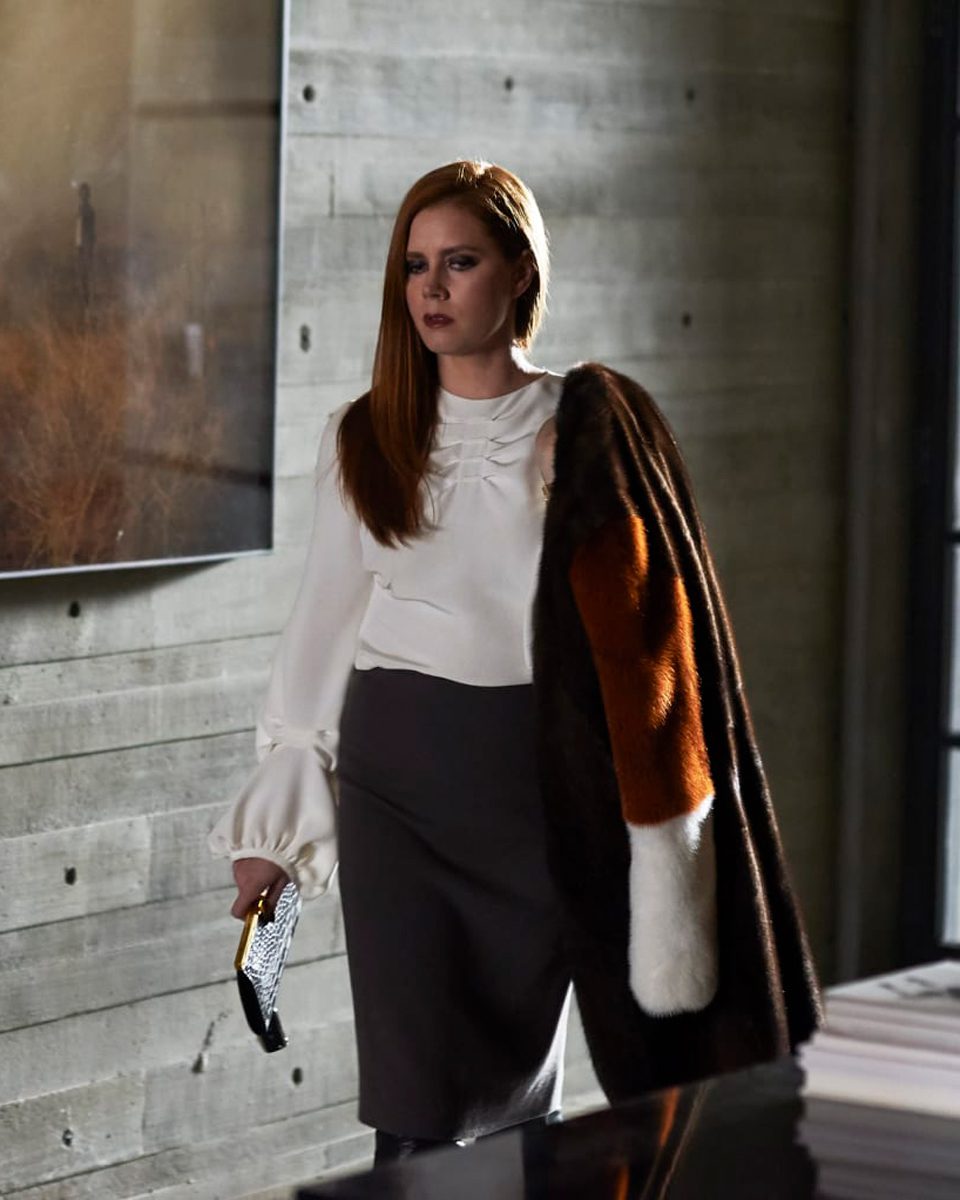
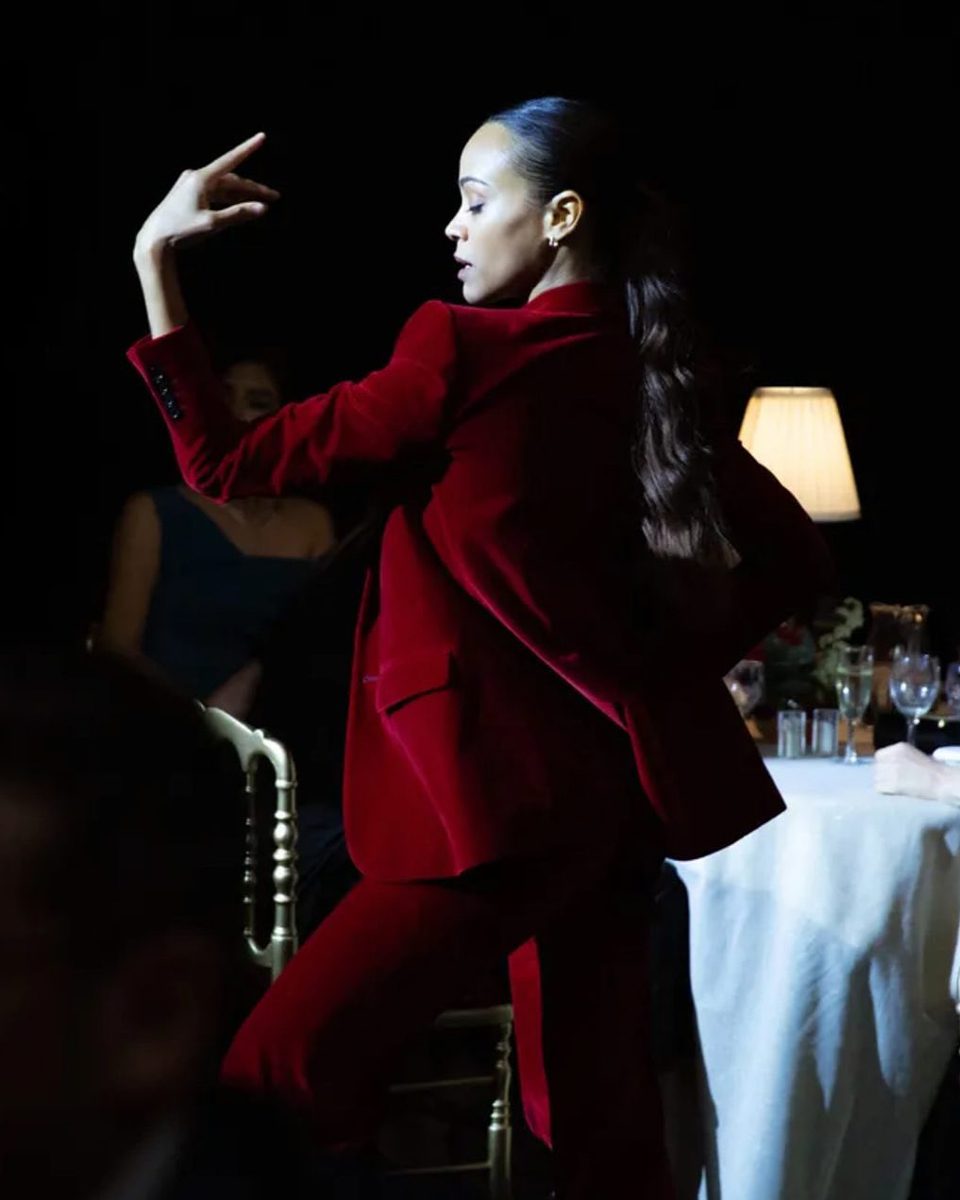
In a move not entirely dissimilar to Tom Ford when he directed and produced A Single Man (2009) and Nocturnal Animals (2016) – “A film has to be something that haunts you,” he told Vanity Fair – Vaccarello produced and costumed Almodóvar’s Strange Way of Life (2023), Paolo Sorrentino’s Parthenope (2024), Jim Jarmusch’s Father Mother Sister Brother (2025), and most notably, Jacques Audiard’s Oscar-winning Emilia Pérez (2024).
“It’s the type of cinematography” wrote Viktoriia Vasileva, “that earned films, like Nocturnal Animals, “two-hour perfume commercial” allegations, but at least in that regard Parthenope is honest. The opening credits make it clear — it is a two-hour commercial for Saint Laurent.”
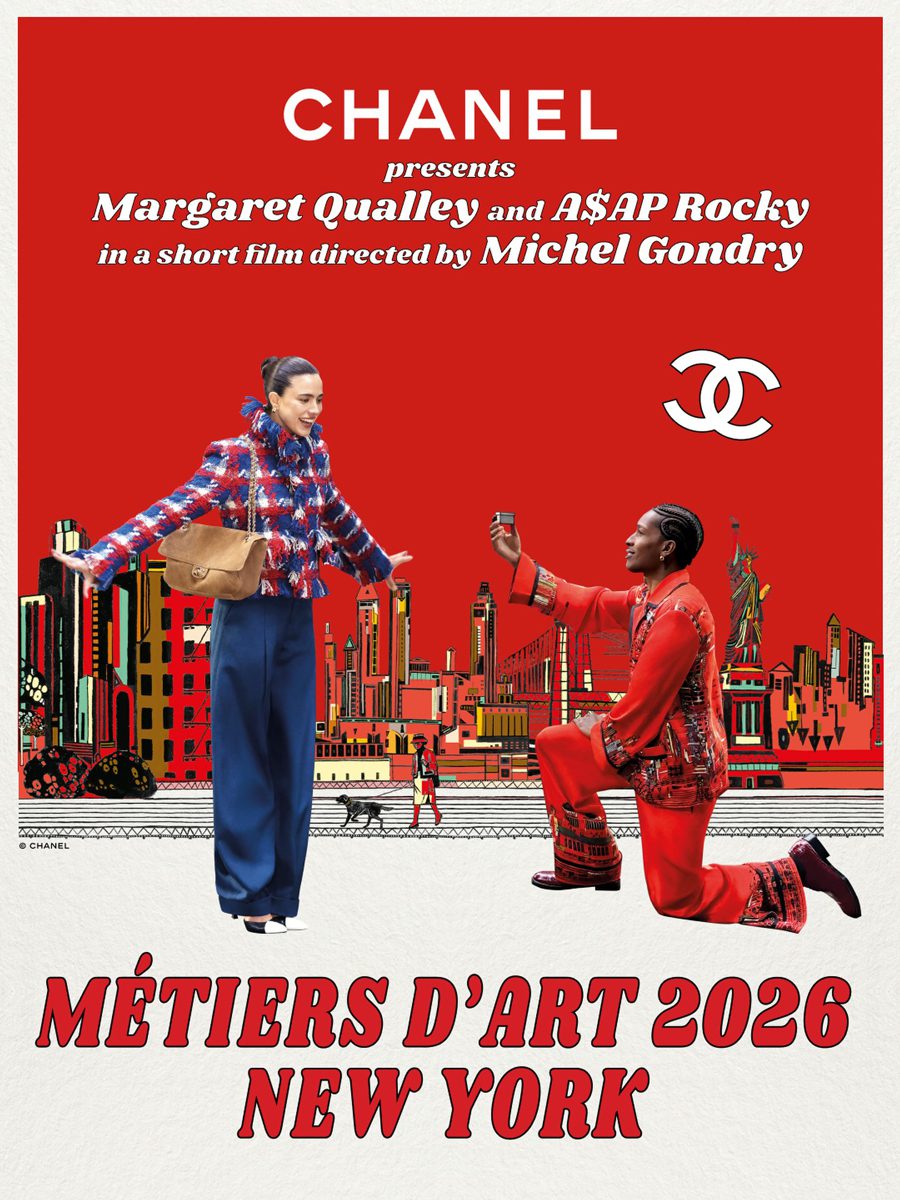
Elsewhere in the luxury-verse, Jonathan Anderson (then of Loewe) costumed Luca Guadagnino’s 2024 films Challengers and Queer – and subsequently coated them in a heavy sheen of virality (“I wouldn’t do this for anyone else, bar Luca,” Anderson told Elle), while Valentino and Chanel continue to orbit cinema patrons – actively financing, costuming, and embedding their brands into the films’ very ontology – becoming a part of the cultural moment.
“The right dress on the right star can reach billions of consumers,” says Fiona Cuningham of the fashion PR firm LDN Communications, “Producing the films that said stars are promoting therefore seems a fitting next step.”
“Entertainment Makes You Money, While Advertising Costs You Money”
“We’re deep into an attention recession,” says Melanie Larsen of the trend-forecasting firm WGSN. And partnering up with renowned filmmakers, like LVMH’s latest arm, 22 Montaigne Entertainment (that commandeered the placements 100-year-old Tiffany necklaces in Guillermo del Toro’s Frankenstein) seems to be the latest trick in luxury’s playbook.
“It’s simple – entertainment makes a lot of money, whereas advertising costs you money,” says Jenna Barnet, the CEO of brand consultancy Sunshine, which has helped the likes of Victoria’s Secret and Balmain shoot full-length documentary-dramas in lieu of traditional runway shows.
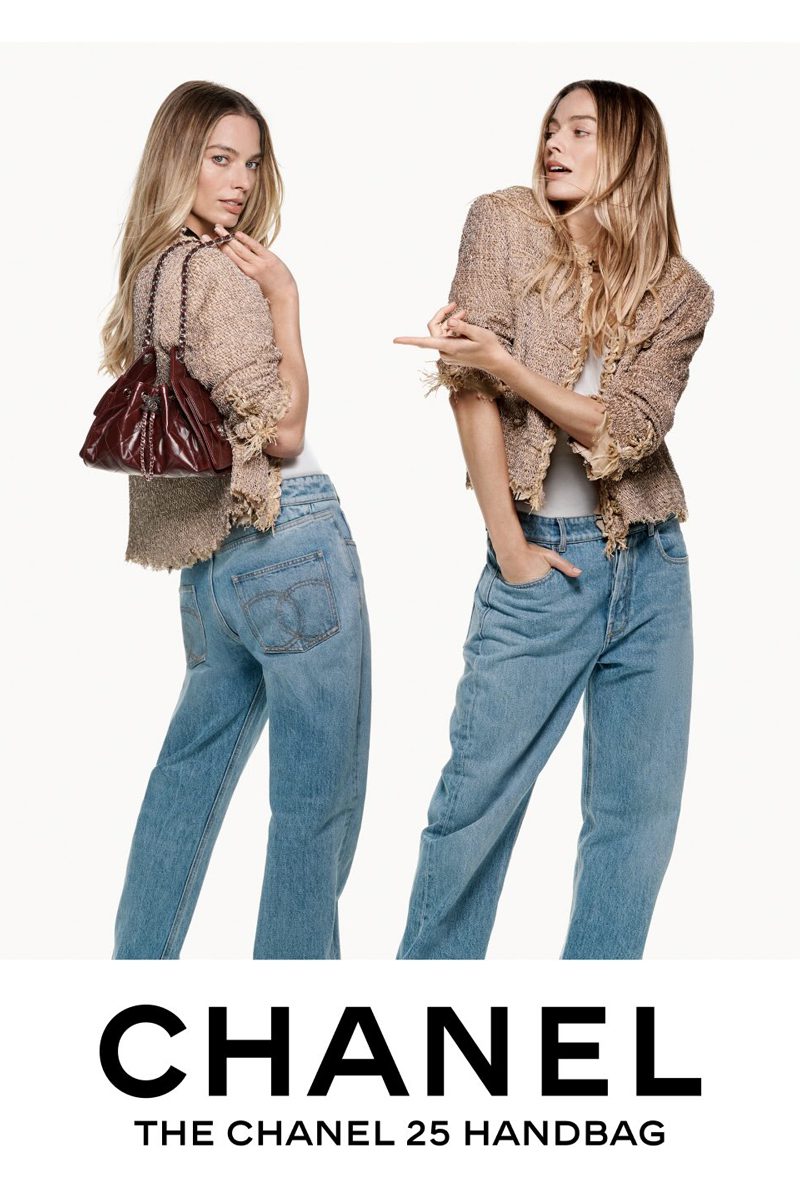
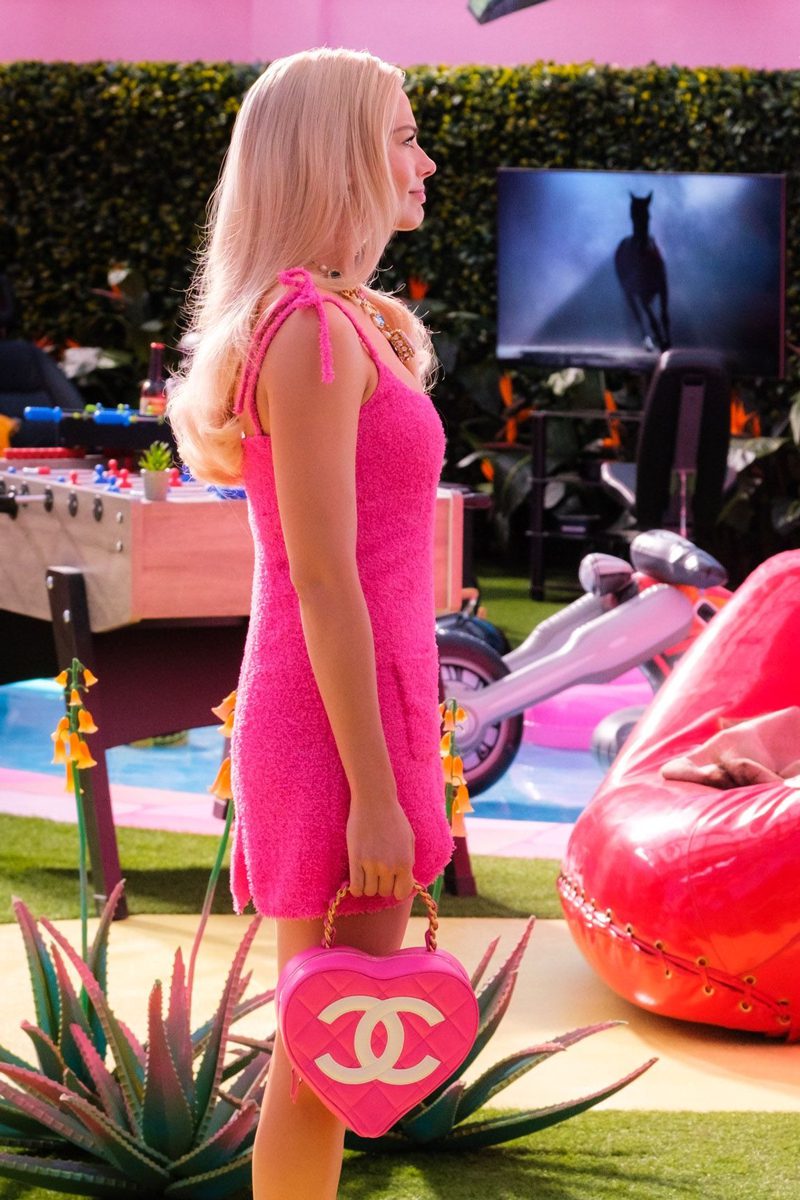
And just as nakedly as the likes of Strange Way of Life wears their Saint Laurent patronage, even Greta Gerwig’s Barbie from the same year ran the risk of coming across as a Chanel-directorial venture, where the heroine Margot Robbie (also a Chanel brand ambassador) was seen clad in head-to-toe, hot-pink Chanel. And lest we forget, the movie itself is, at the end of the day, a studio-washed promotion for the Barbie-doll brand!
Maybe this intersectionality of fashion and film is more telling of how scarily fashion is turning into a spectator sport – and now we can rate their latest advertisements on Letterboxd! Or maybe this gives indie, arthouse directors a much needed push-forward – as Vaccarello tells Vogue: “I am not making blockbusters. Marvel does not attract me.”
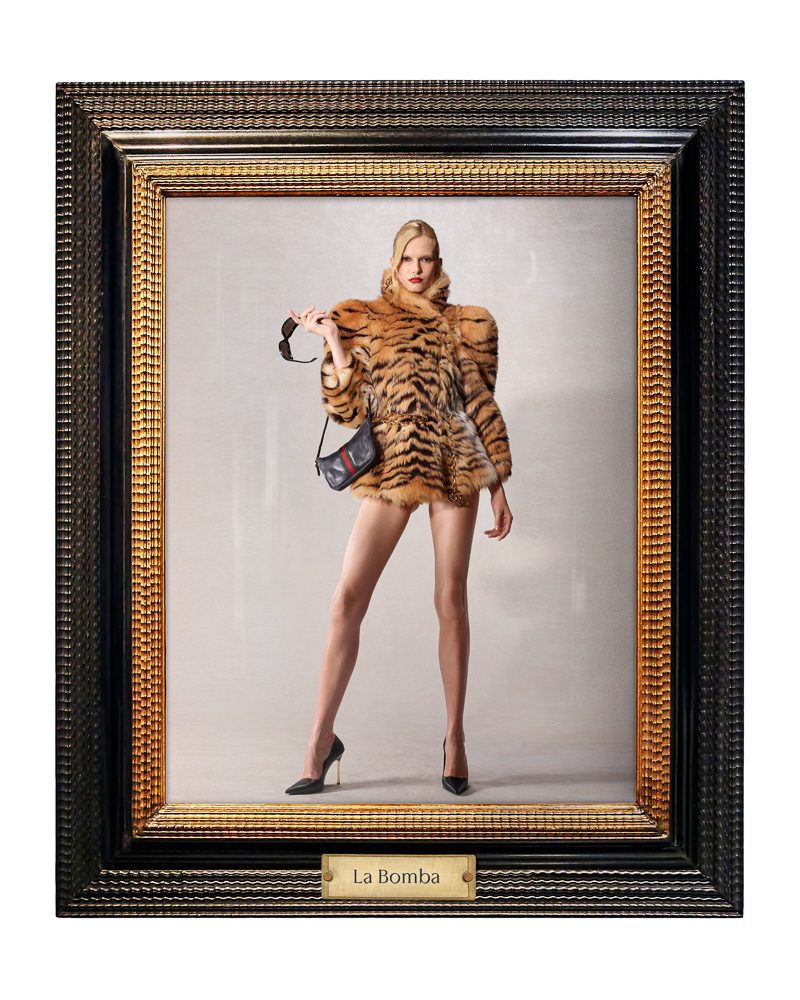
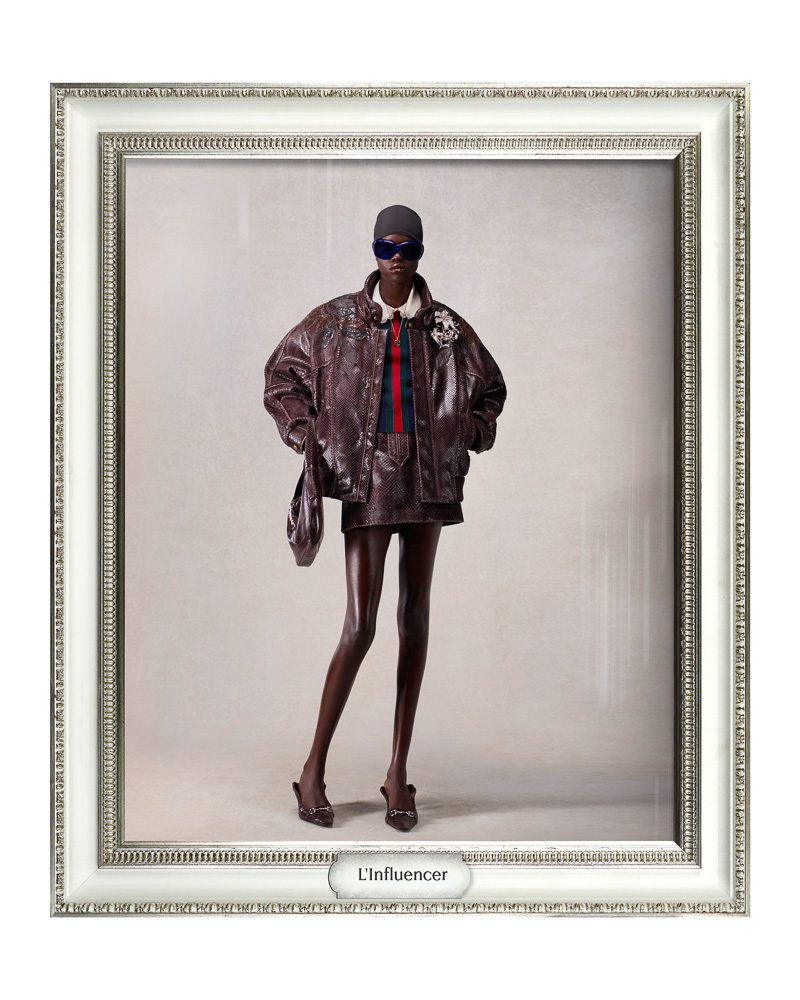
But what still rings true, 22 years later, is our never-ending fixation with the glamour, the intrigue, and the scandals of the fashion industry. As Robert Altman said of his motivation to make Prêt-à-Porter: “but then the lights went out, the music began, and I thought ‘so that’s it, it’s a circus. I’ve got to make a film about this!’”
I will never forget Sophia Coppola‘s yellow Hermès agenda in „Lost in Translation“.
How could you leave out Annie Hall? Diane Keaton’s wardrobe had a major impact on that year’s fashion! (And still does to some extent)
🖤