
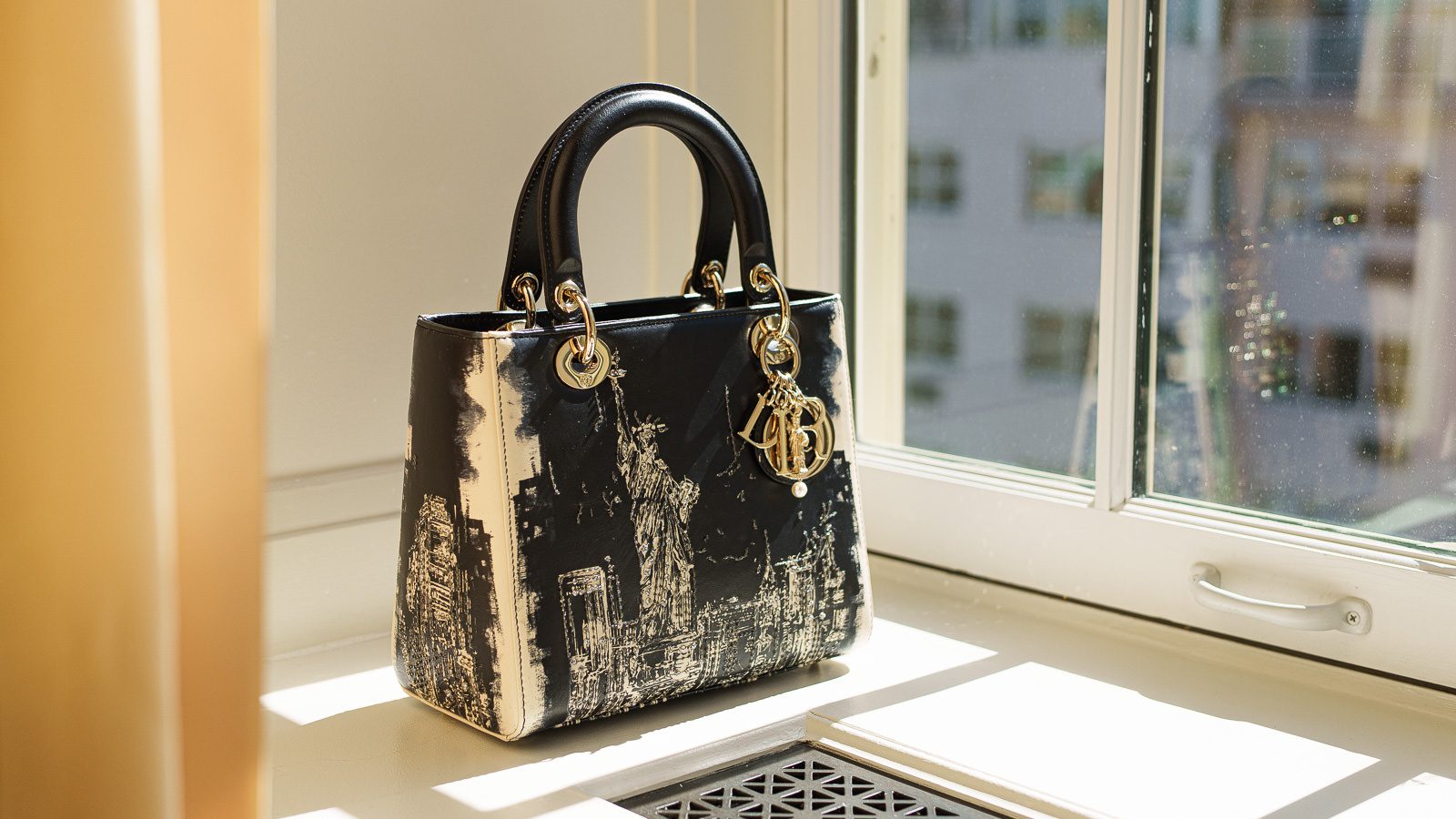
Exclusive: Around NYC with Dior Fall 2024 Bags
A New York minute with Christian Dior
The Latest
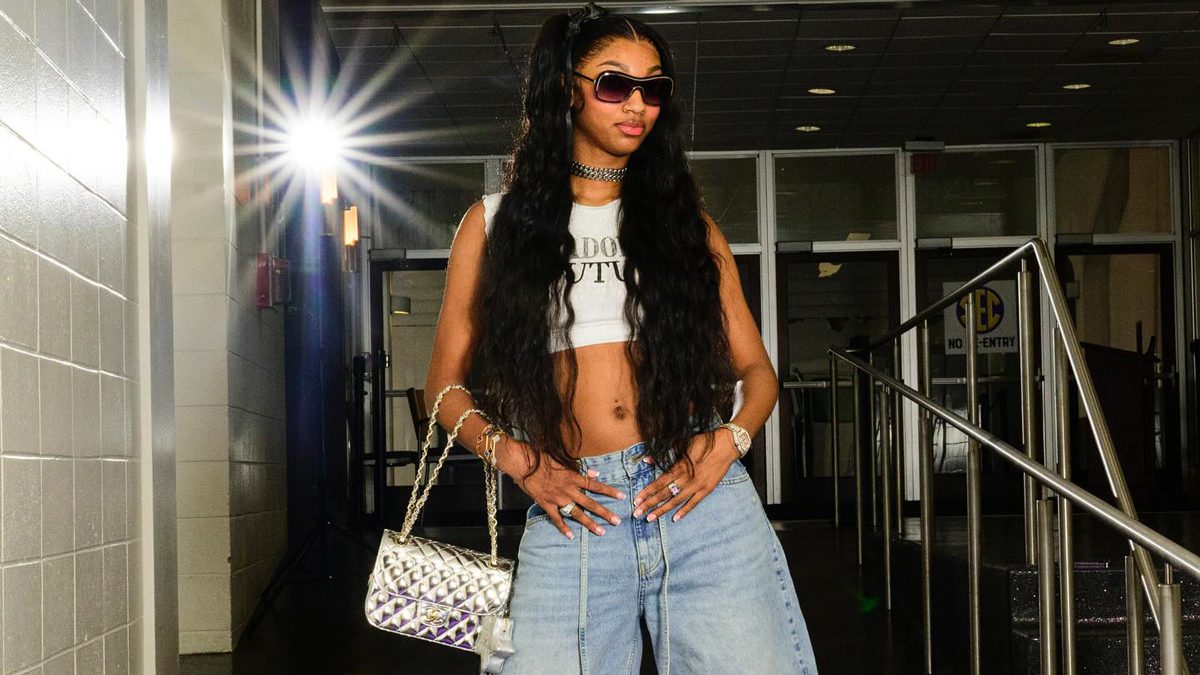
The Many Bags of the WNBA Players
Balling on and off the court…
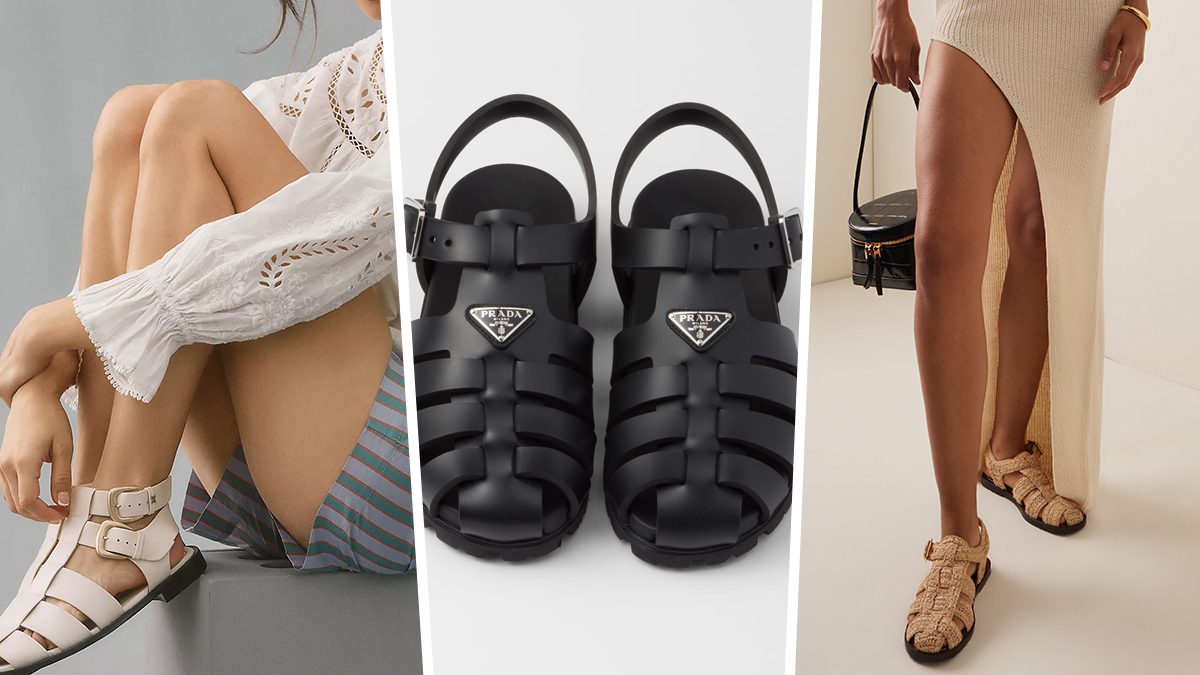
Tuesday Shoesday: The Best Fisherman Sandals for Spring/Summer 2024
Comfy, cool and trending big time…
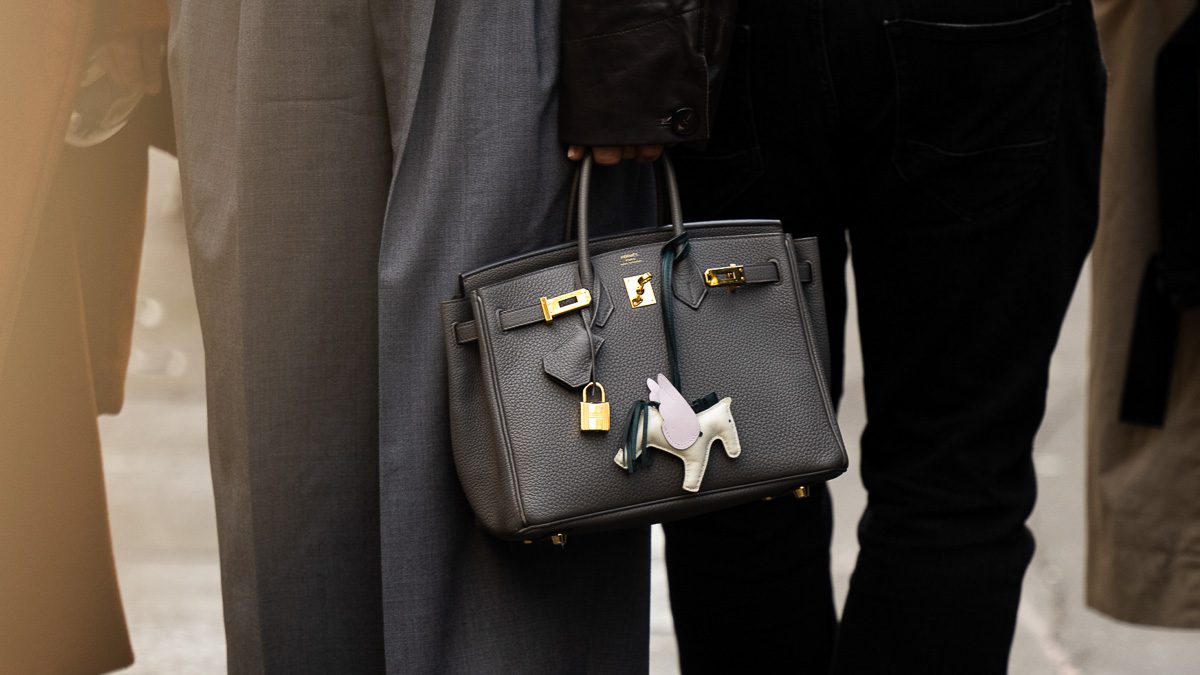
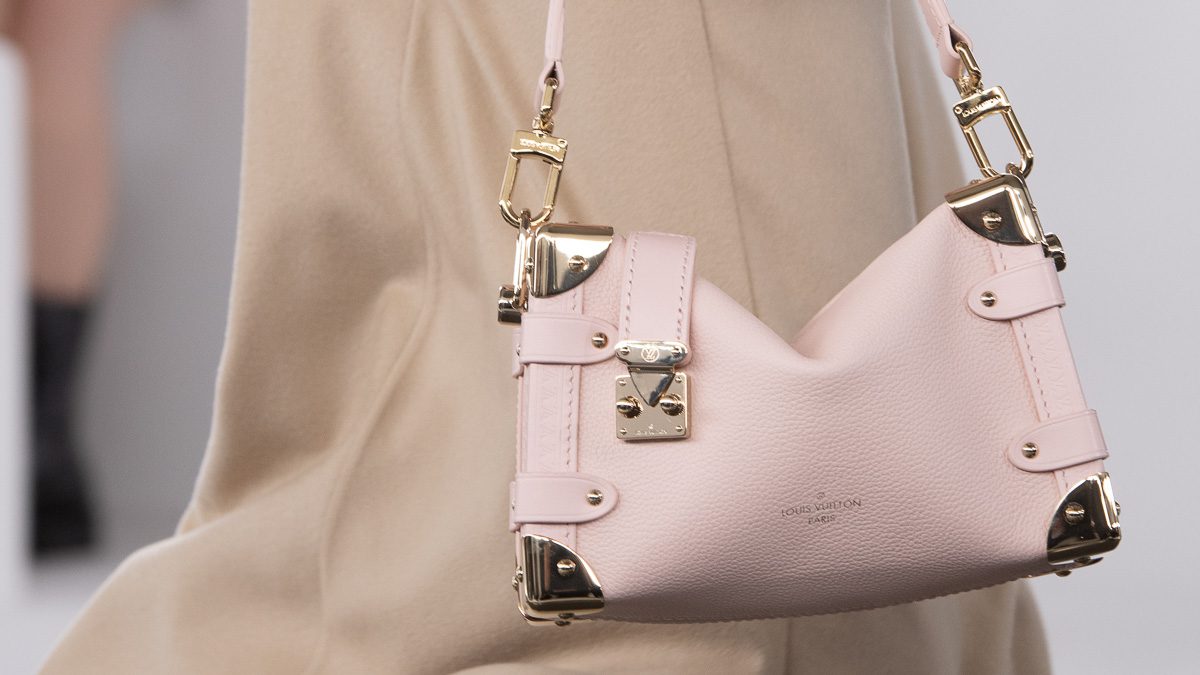
You Can Already Pre-Order Louis Vuitton’s Pre-Fall 2024 Bags
Fresh off the runway…
Deals ALERT
In case you missed it
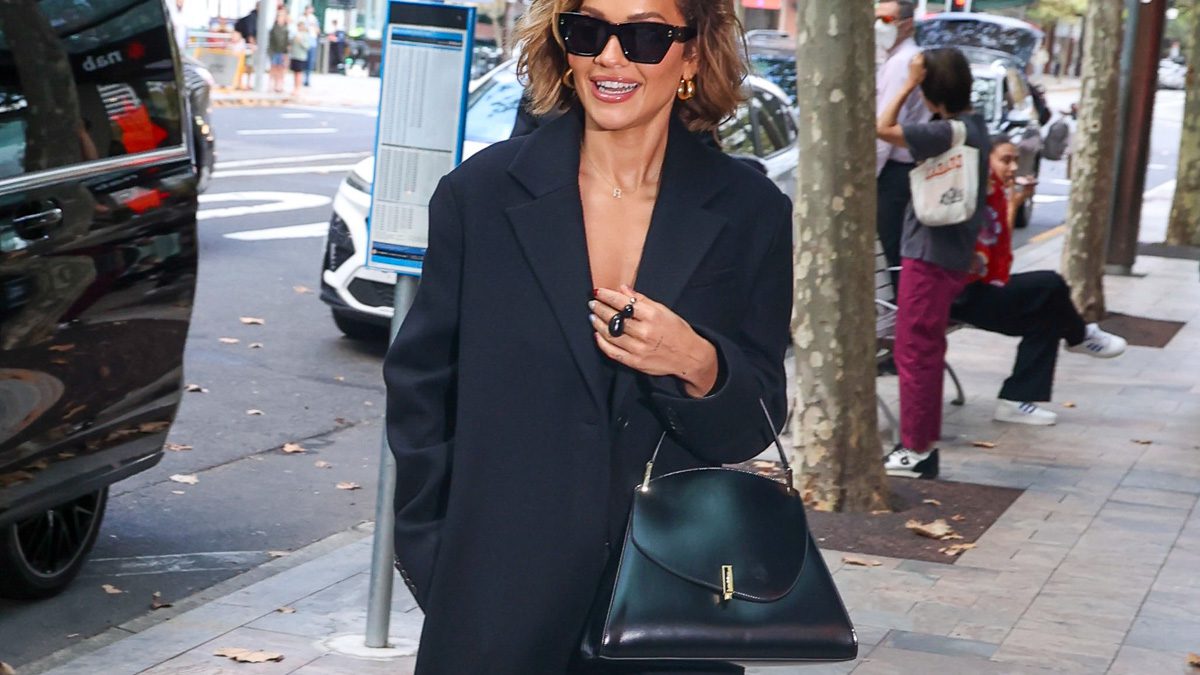
Rita Ora Nails Business Chic With Ferragamo in Hand
Offering a lesson in dressing…
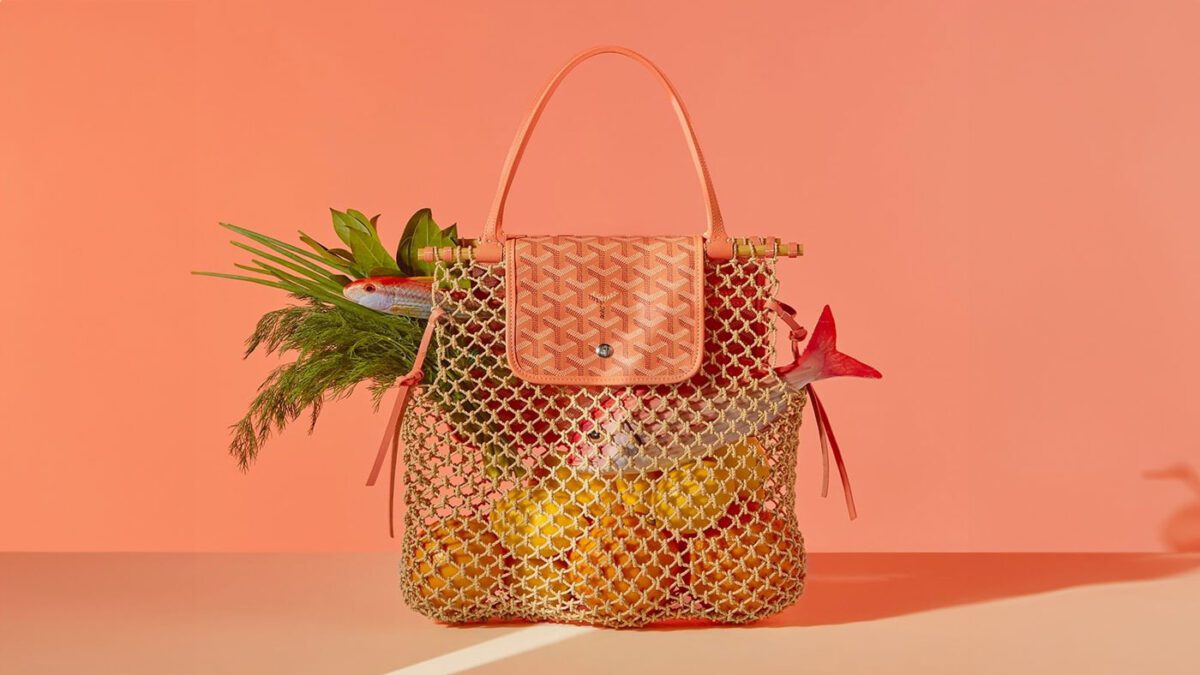
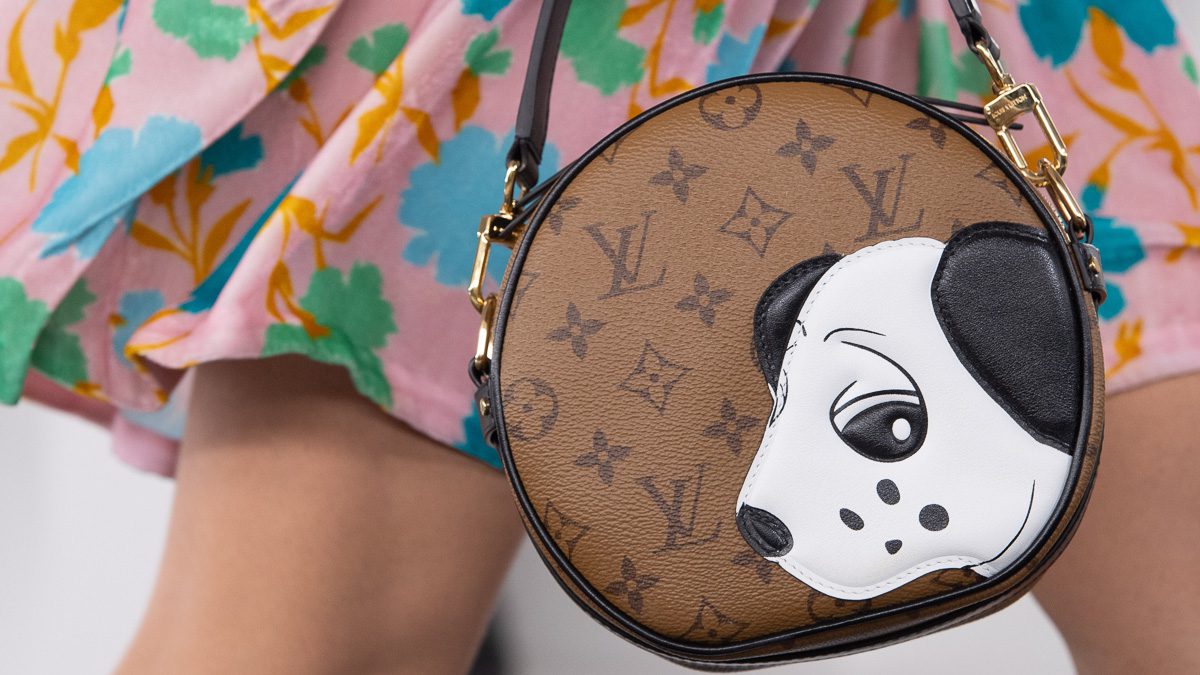
Louis Vuitton Heads to Shanghai for Pre-Fall 2024
Featuring bold colors, unique textures and cornerstone bags
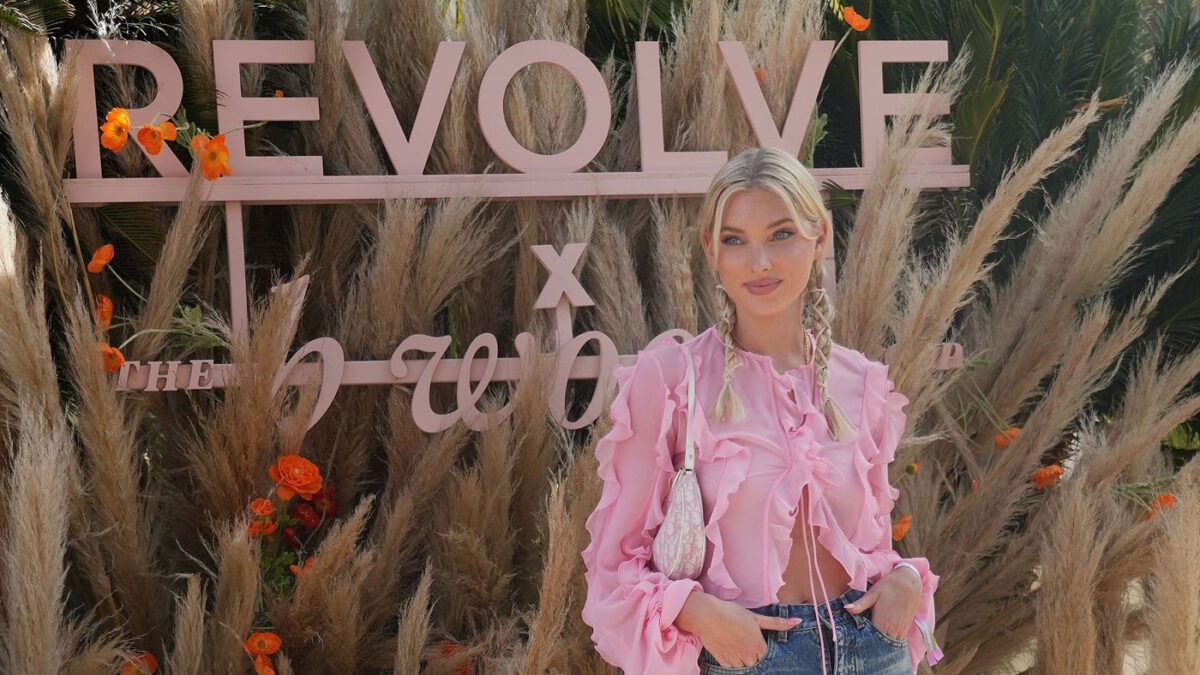
Does Anyone Care About Coachella Anymore?
At what point did festival fashion start to feel like a costume party?

87
The Chanel 2024 Price Increase Is Here
49
What Bag Brand Are You Favoring Right Now?
44
Would You Buy a Counterfeit As a Test Before Buying the Real Thing?
43
Introducing the Louis Vuitton Low Key Collection
25
Kate Moss Just Proved that the Balenciaga Le City Will Never Go Out of Style
20
I Can’t Stop Staring at This Printed Chanel Flap