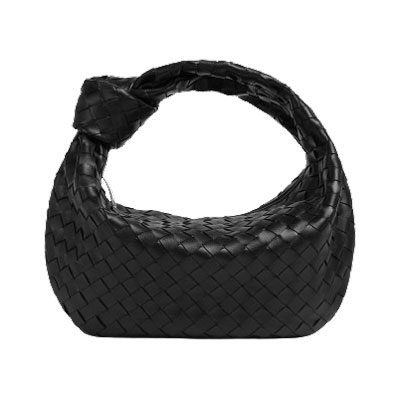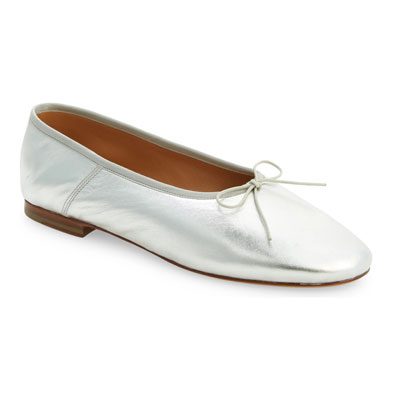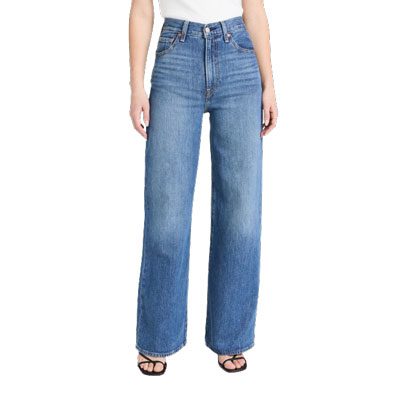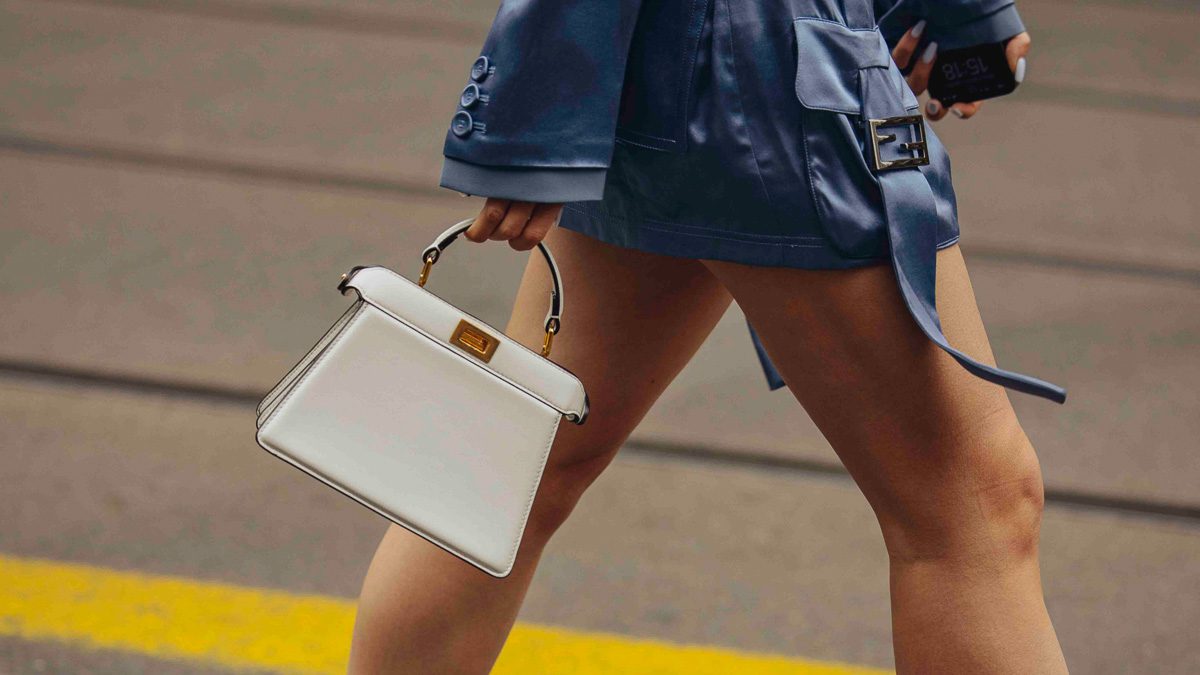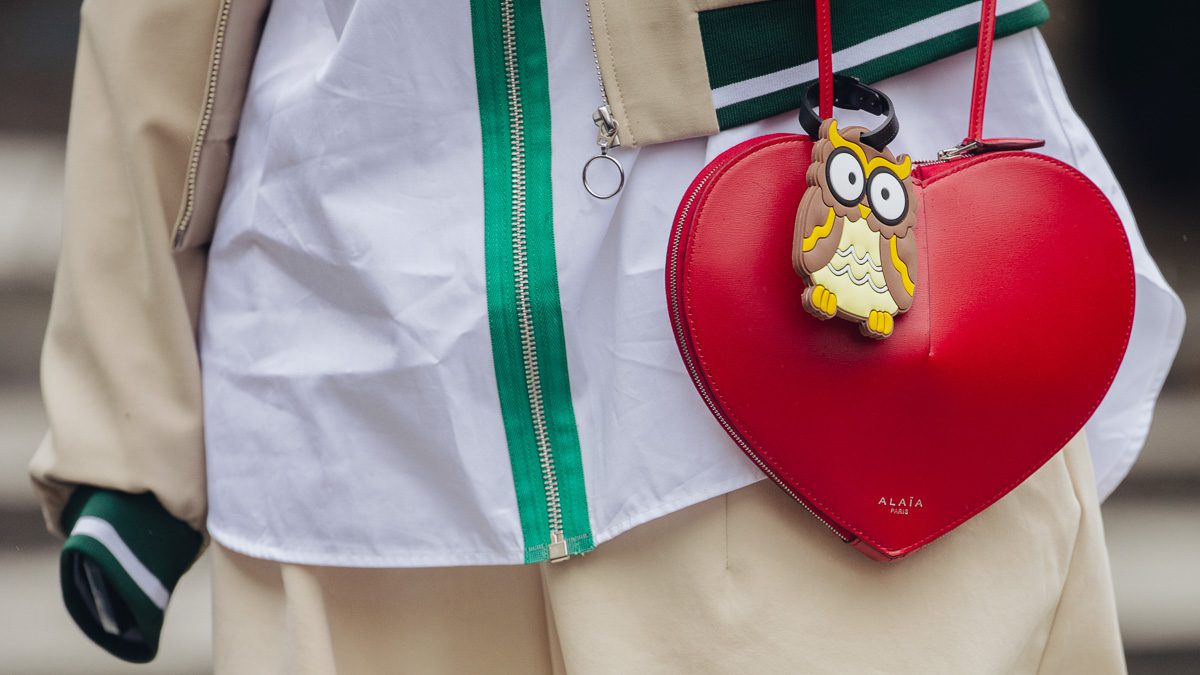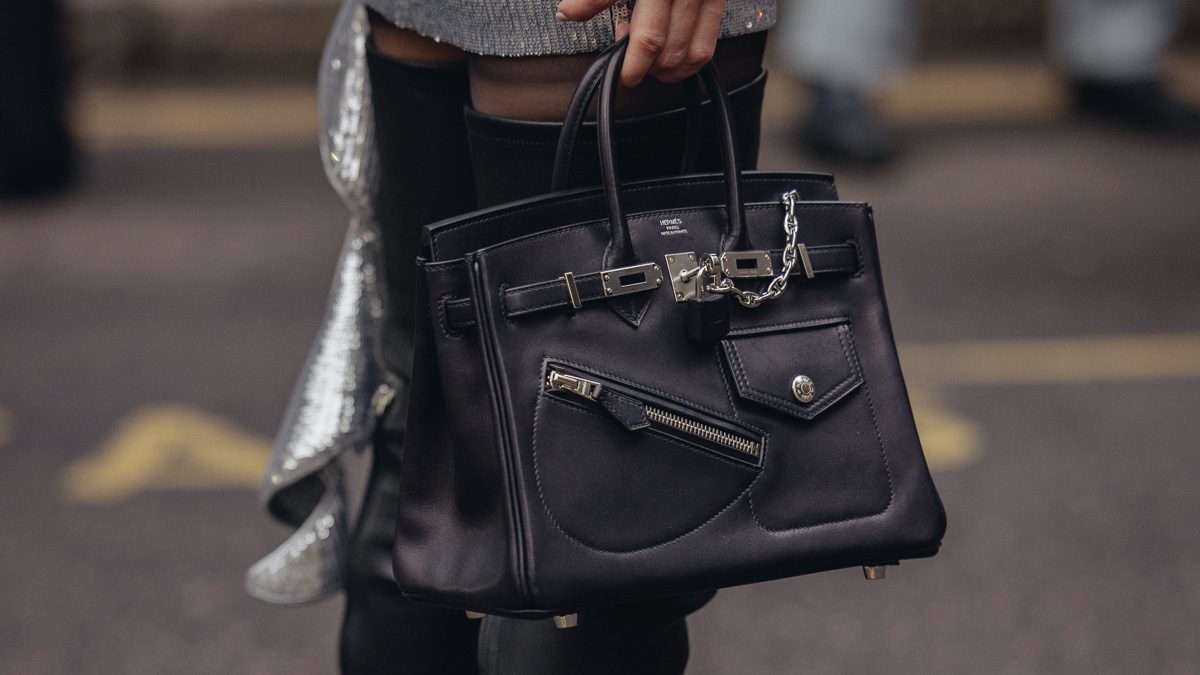
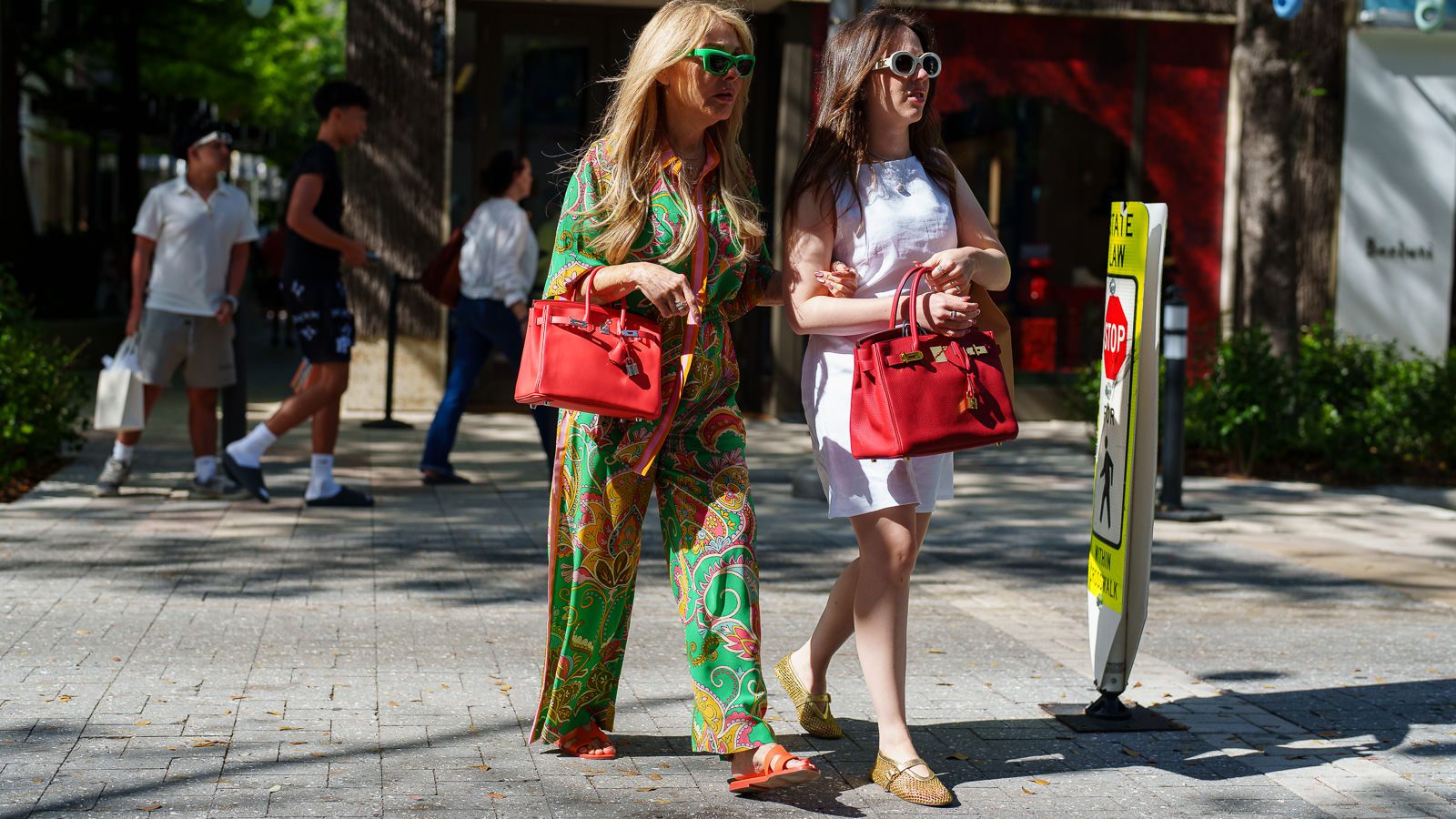
By now, we know what to expect from Alexander Wang’s runway bags: neutrals, weird shapes, athletic references. Every season, only a few of the designer’s cash-cow handbags make it onto the runway, and they’re generally not the ones that end up selling briskly at retail. Some brands use their runway shows like accessories ads (bags are a critical source of revenue for most of the designers who make them), but Wang chooses to use his runway accessories strictly to flesh out the mood of the collection instead.
Fashion Week Coverage
(Page 6)
Rebecca Minkoff is the brand I feel connected to on a deep level, as if the brand itself is my sister who I’ve grown up with. We started PurseBlog around the same time Rebecca Minkoff got off the ground, and we’ve watched our friend turn her company from one that operated out of a small apartment to a massive world-wide corporation.
Tibi is a brand I cover during fashion week because I am flat-out obsessed with the brand and its designs. Amy Smilovic is probably one of the most down-to-earth designers I have ever met, and from the minute I laid eyes on the brand’s clothing, I was hooked. I feel like I am the Tibi girl; I love clothes that are wearable and simple in their lines but elegant in their design.
You’d be surprised at how much difference an A-line skirt can make. When it comes to Hervé Léger, most consumers know what to expect from a new collection: bandage dresses, and for spring, swimwear. Under the guidance of Max Azria, the brand makes a killing doing those two things, and women gobble them up. After years of popularity, though, it can start to feel as though if you’ve seen one bandage dress, you’ve seen them all.
I’ve been running around the past few days for New York Fashion Week, feeling very lucky to do what it is I do. In this crazy world I work in, bloggers like myself are given an opportunity not only to attend these trade shows (which have become much more than that, but that’s what they actually are), but also to sit up close to see the action and peek backstage or watch it all come together.
Over the last five years, the role of technology in fashion has absolutely exploded. Not only have blogs emerged as a huge force in the industry, but magazines are racing to bring their online content up to their offline editorial standards and brands are using digital printmaking, three-dimensional printers and a whole slew of other technological advances to enrich their clothes and accessories.
Gone are the days of feeling excluded from New York Fashion Week. Now anyone and everyone can watch fashion shows as they live stream straight from the comfort of your home, office or school desk, (Ok, I shouldn’t be suggesting that but I’m just saying it’s possible.) I love that the internet has made the fashion world more accessible and everyone can be a part of a spectacular show to see what’s ahead in the season to come from some of their favorite designers.
Yesterday, I spent my birthday attending the first official day of New York Fashion week and attended some of my favorite shows of the NYFW lineup. One of the shows was BCBG which is held in the massive stage tent and with every seat filled and people standing shoulder to shoulder in the back of the room, it was packed to the gills.
Within the accessories industry, runway bags have a very special spot. They’re the most directional of a season’s accessories; they tell us where our beloved handbags are headed in the months and years to come and set size, color and texture trends that often endure for seasons at a time. Most brands produce many more bags in their full retail line than they include in their shows, but the runway bags are always the most fashion-forward and experimental of any given group.
Leave it to Louis Vuitton to solve a handbag problem that we didn’t even know we had – how do you get more handbags on the runway than there are models to carry them without weighing down the ready-to-wear? As it turns out, the answer is creating a travel-themed show, complete with a functioning train, and giving the models each a uniform-clad porter to carry her “luggage.” Vuitton took full advantage of these runway helpers, loading each model-helper down with multiple bags – sometimes as many as four.